Beach Plum Care & Identification Guide
The Beach Plum (Prunus maritima) is a highly resilient, fruit-bearing deciduous shrub native to the shifting sand dunes, coastal beaches, and rocky shores of the Atlantic coast of North America. Renowned for its ability to stabilize sand dunes in highly exposed seaside environments, it features an extensive root system that thrives under intense salt spray, poor sandy substrates, and strong coastal winds. In early spring, it produces a spectacular, snowy blanket of five-petaled white flowers that attract early bees, followed in late summer by abundance of sweet-tart, deep purple-blue plums that are highly prized for gourmet jams and wildlife forage.




How to Identify Beach Plum
Identify Beach Plum (Prunus maritima) immediately by its distinctive leaf arrangements, wood structures, and flowers. Recognizing its definitive visual traits is key to distinguishing it from other similar species.
-
✔
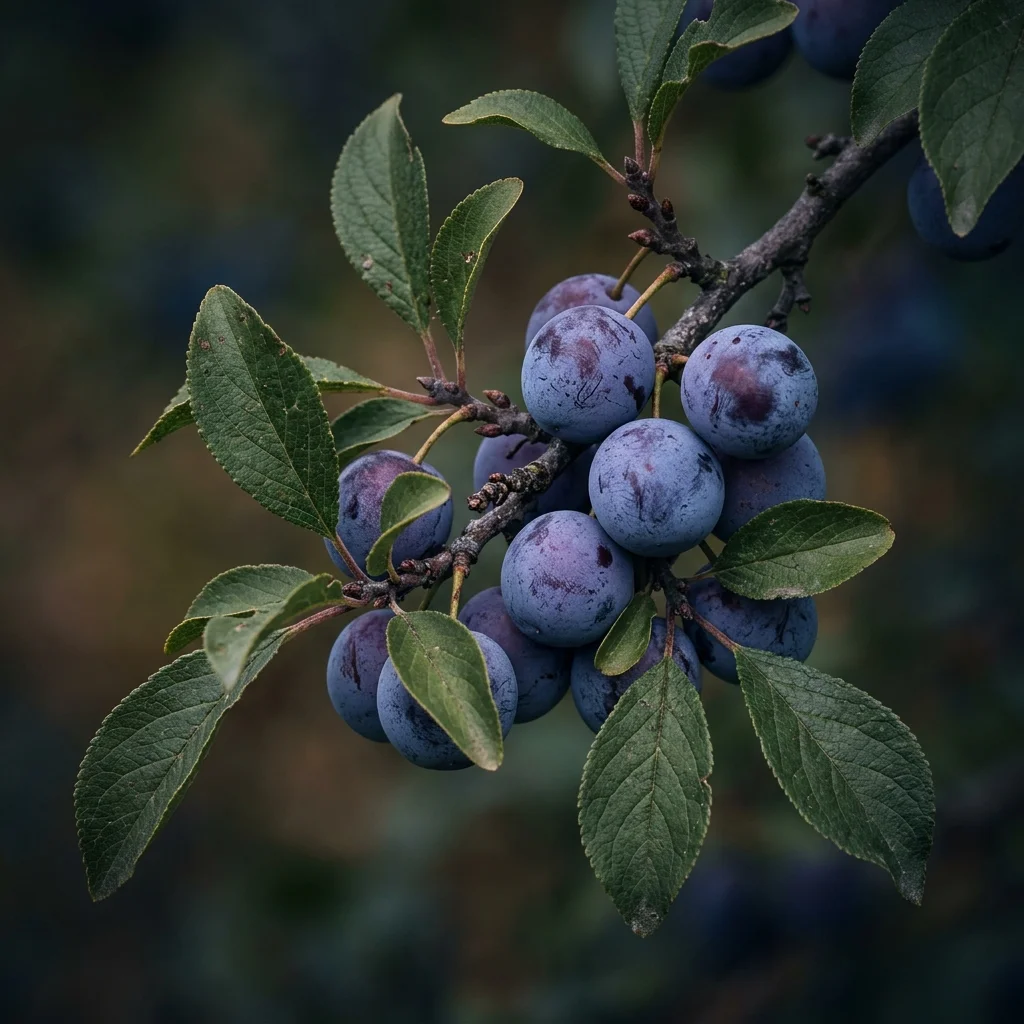
Distinctive Features: Dense snowy-white five-petaled spring flowers along dark woody stems, followed by clusters of round, velvety deep purple plums covered in a powdery glaucous bloom, set against coarse oval leaves.
-
✔
Typical Coloration: Deep purple-blue to dark red plums with a velvety white powder bloom, snowy-white spring blossoms, and charcoal-brown bark.
-
✔
Potential Confusions: Superficially confused with Wild Plum (Prunus americana), but Beach Plum is easily distinguished by its lower, scrambling shrubby dune growth habit, smaller leaves, and extreme salt-wind tolerance.
Complete Care & Cultivation Guide
Follow our detailed scientific care guide to keep your Beach Plum thriving and gorgeous all year round.
Frequently Asked Questions
Are the plums of the Beach Plum edible?
Yes! The deep purple plums are edible, featuring a delicious, sweet-tart, rich plum flavor. They are widely harvested to make famous coastal jams, jellies, and cordials.
Is the Beach Plum toxic to dogs and cats?
The ripe flesh of the plum is safe, but like all Prunus species, the pits, leaves, and bark contain cyanogenic glycosides which are toxic to dogs and cats if chewed or swallowed.
Can Beach Plum stabilize sand dunes?
Yes! Its extensive, spreading root network binds shifting sand dunes, making it one of the most valuable native plants for coastal erosion control and habitat restoration.
Why is my Beach Plum not fruiting?
Ensure the plant is in full sun (at least 6-8 hours daily) and not over-fertilized with nitrogen. Additionally, late spring frosts can occasionally kill the delicate blossoms, reducing that year's crop.