Beach Wormwood Care & Identification Guide
Beach Wormwood (Artemisia stelleriana), commonly known as Dusty Miller or Beach Sage, is an exceptionally beautiful, low-growing evergreen perennial shrub native to the sandy beaches and rocky coastlines of northeastern Asia and North America. Prized in coastal landscaping for its highly decorative, velvety silvery-white foliage, it features deeply-lobed leaves densely covered in a soft, thick layer of woolly white felt. This brilliant silvery coat acts as a highly specialized physiological sunscreen, reflecting harsh coastal sun glare and trapping ambient humidity, making it one of the absolute best groundcovers for dry, windy, and salt-laden sandy beach dunes.





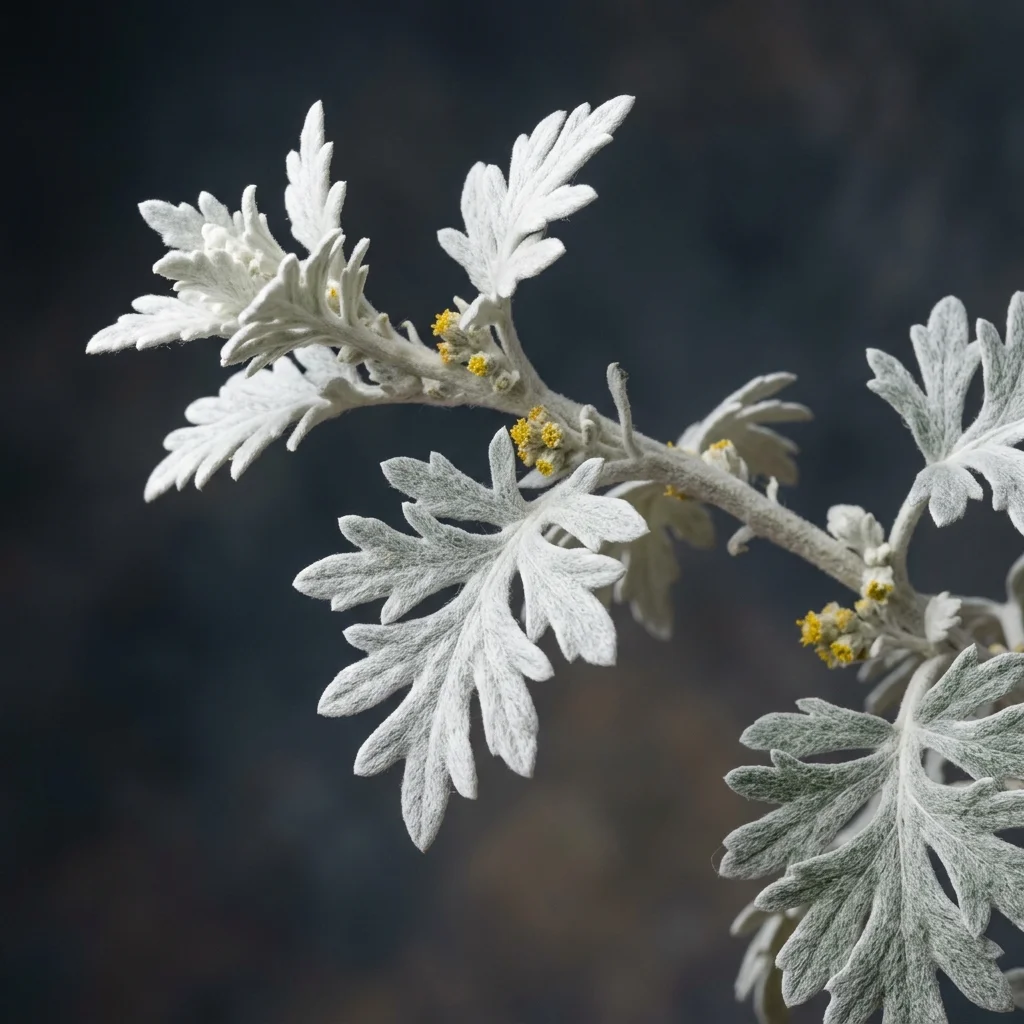
How to Identify Beach Wormwood
Identify Beach Wormwood (Artemisia stelleriana) immediately by its distinctive leaf arrangements, wood structures, and flowers. Recognizing its definitive visual traits is key to distinguishing it from other similar species.
-
✔
Distinctive Features: Deeply-lobed, velvety silvery-white leaves densely covered in a soft, thick layer of woolly white felt, forming a low-growing spreading carpet, with small pale-yellow flower heads.
-
✔
Typical Coloration: Shimmering silvery-white foliage, pale-yellow autumn blossoms, and light-brown trailing stems.
-
✔
Potential Confusions: Commonly confused with Dusty Miller (Jacobaea maritima) due to the similar silver felt leaves, but Beach Wormwood is easily distinguished by its lower, trailing beach-carpet habit and deeply lobed leaves.
Complete Care & Cultivation Guide
Follow our detailed scientific care guide to keep your Beach Wormwood thriving and gorgeous all year round.
Frequently Asked Questions
Why is the foliage of Beach Wormwood so silvery-white?
Because the leaves are densely covered in a soft, thick layer of woolly white felt hairs. This coat reflects harsh coastal sun glare and traps humidity to prevent dehydration.
Is Beach Wormwood toxic to cats and dogs?
Yes. Artemisia stelleriana contains sesquiterpene lactones that can cause vomiting, diarrhea, depression, and tremors if ingested in large quantities by pets.
Does Beach Wormwood tolerate salt spray?
Yes! It is exceptionally salt-tolerant and grows directly on sandy coastal dunes just feet from the ocean wave line, making it perfect for seaside gardens.
How does Beach Wormwood spread?
It has a trailing, low-growing habit, spreading slowly by underground runners to form a beautiful, shimmering silvery-white weed-blocking carpet.