Cherry Laurel Care & Identification Guide
The magnificent Cherry Laurel (Prunus laurocerasus) is an outstanding evergreen screening shrub, highly celebrated for its colossal, glossy dark green leaves and extremely dense, rapid growth. Native to warm temperate damp woodlands of southeastern Europe, this highly resilient wood perennial is the ultimate choice for privacy hedges. WARNING: All parts of Cherry Laurel, especially bruised leaves and seeds, are deadly toxic, releasing high concentrations of hydrogen cyanide (prussic acid) which causes rapid cellular suffocation and cardiac arrest in mammals.





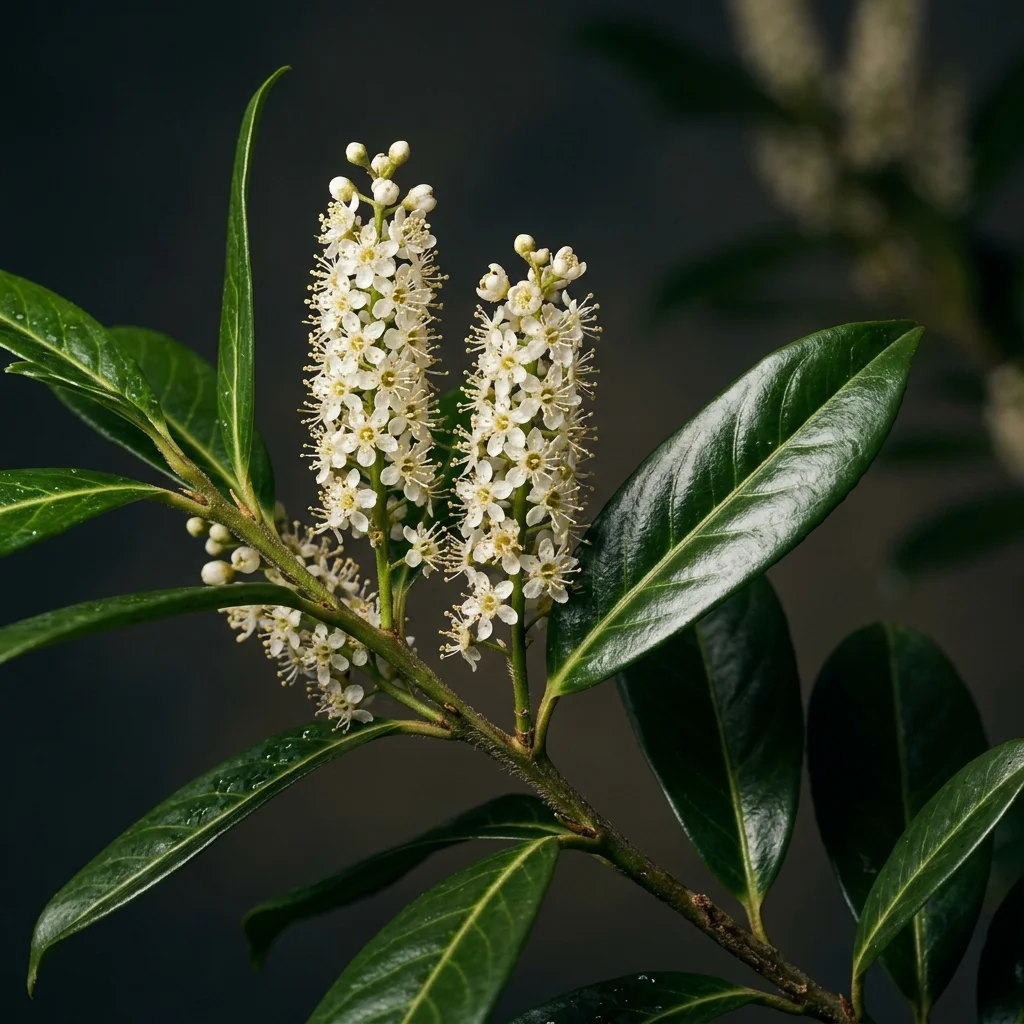
How to Identify Cherry Laurel
Identify Cherry Laurel (Prunus laurocerasus) immediately by its distinctive leaf arrangements, wood structures, and flowers. Recognizing its definitive visual traits is key to distinguishing it from other similar species.
-
✔
Distinctive Features: Thick, leathery elongated glossy dark green leaves measuring up to 6 inches long, releasing a strong almond scent when crushed.
-
✔
Typical Coloration: Glossy dark olive-green leaves with upright spikes of small, fragrant white flowers and small cherry-like black berries.
-
✔
Potential Confusions: Sometimes confused with Bay Laurel (Laurus nobilis), but easily distinguished by its toxic almond scent when crushed instead of sweet culinary spice, and larger upright flower spikes.
Complete Care & Cultivation Guide
Follow our detailed scientific care guide to keep your Cherry Laurel thriving and gorgeous all year round.
Frequently Asked Questions
Why are my Cherry Laurel leaves full of small round holes?
This is Cherry Laurel Shot-Hole disease, a symptom of bacterial or fungal leaf infection. The plant naturally walls off the infected spots, causing the dead tissue to fall out and leave neat round holes. Spray with organic copper fungicide.
Is Cherry Laurel toxic to pets?
Yes! All parts of Prunus laurocerasus are extremely deadly. Bruised leaves, stems, and seeds release lethal hydrogen cyanide (prussic acid). Ingestion causes severe vomiting, blue gums, respiratory failure, seizures, and death.
How can I tell Cherry Laurel apart from Bay Laurel?
Crush a leaf: Cherry Laurel releases a toxic, distinct bitter almond smell (cyanide). Bay Laurel (culinary bay leaf) releases a sweet, warm herbal kitchen aroma. Never eat Cherry Laurel leaves.
How fast does a Cherry Laurel hedge grow?
It is an exceptionally rapid grower, easily adding 2 to 3 feet of dense, glossy privacy foliage annually under favorable moist loamy soil conditions.