Coprosma Care & Identification Guide
Coprosma (Coprosma repens), widely known as the Mirror Bush or Looking-Glass Plant, is a highly attractive evergreen shrub native to the rocky coasts of New Zealand. Famous for possessing the glossiest, most highly polished leaves in the plant kingdom, it features thick, leathery variegated foliage covered in a deep, protective waxy cuticle. This brilliant mirror-like leaf surface is a powerful evolutionary adaptation, designed to reflect intense coastal solar radiation, repel salt spray, and minimize moisture transpiration under harsh winds. In gardens, it is highly valued for coastal windbreaks, colorful low hedges, and dryland landscaping.





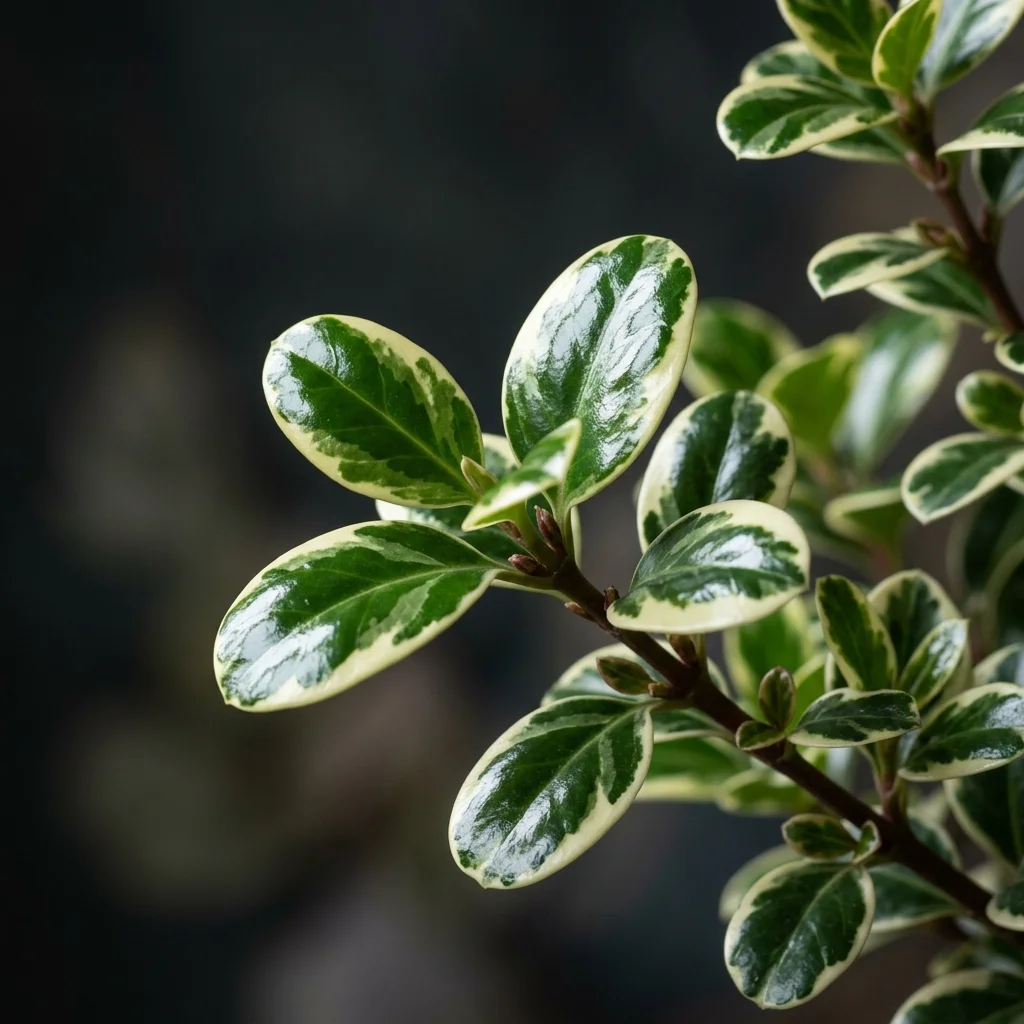
How to Identify Coprosma
Identify Coprosma (Coprosma repens) immediately by its distinctive leaf arrangements, wood structures, and flowers. Recognizing its definitive visual traits is key to distinguishing it from other similar species.
-
✔
Distinctive Features: Oval, thick, and extraordinarily shiny, leathery leaves with cream-variegated borders that exhibit a glassy, mirror-like polished reflection under bright light.
-
✔
Typical Coloration: Glossy dark green leaves with wide creamy-white margins that flush pink or orange in winter, growing on smooth grayish woody stems.
-
✔
Potential Confusions: Sometimes confused with Euonymus fortunei (Emerald 'n' Gold) due to the leaf variegation, but Coprosma is easily distinguished by its significantly higher, mirror-like leaf glossiness and completely smooth leaf margins.
Complete Care & Cultivation Guide
Follow our detailed scientific care guide to keep your Coprosma thriving and gorgeous all year round.
Frequently Asked Questions
Why is it called the Mirror Bush?
Because its leaf surfaces are covered in an exceptionally thick, smooth waxy cuticle that reflects light so intensely that the leaves appear highly polished, polished, or varnished like a glass mirror.
Is Coprosma toxic to household pets?
No. Coprosma repens is completely non-toxic to dogs, cats, and other household animals. It is a highly safe, color-rich addition to pet-friendly gardens.
Does Coprosma tolerate coastal conditions?
Yes! Coprosma is exceptionally salt-tolerant and wind-resistant. It originates from New Zealand coastal cliffs, making it one of the absolute best shrubs for seaside gardens.
Why is my Coprosma losing its glossy look?
If planted in deep shade, the leaf cuticle thins out and the mirror-like sheen declines. Move the shrub to a location with bright, direct sunlight to encourage the waxy glossy layer to develop fully.