Gardenia Care & Identification Guide
The magnificent Gardenia (Gardenia jasminoides), commonly known as the Cape Jasmine, is an absolute masterwork of modern horticulture, celebrated for its layered creamy-white blossoms and glossy evergreen foliage. Originating from warm, highly humid coastal valleys of East Asia, this highly elegant shrub releases an incredibly rich, sweet perfume. To sustain its waxy wreathed blossoms and keep its coriaceous dark green leaves glossy, the Gardenia requires strongly acidic well-drained soil, consistent moisture, and active protection from root rot.





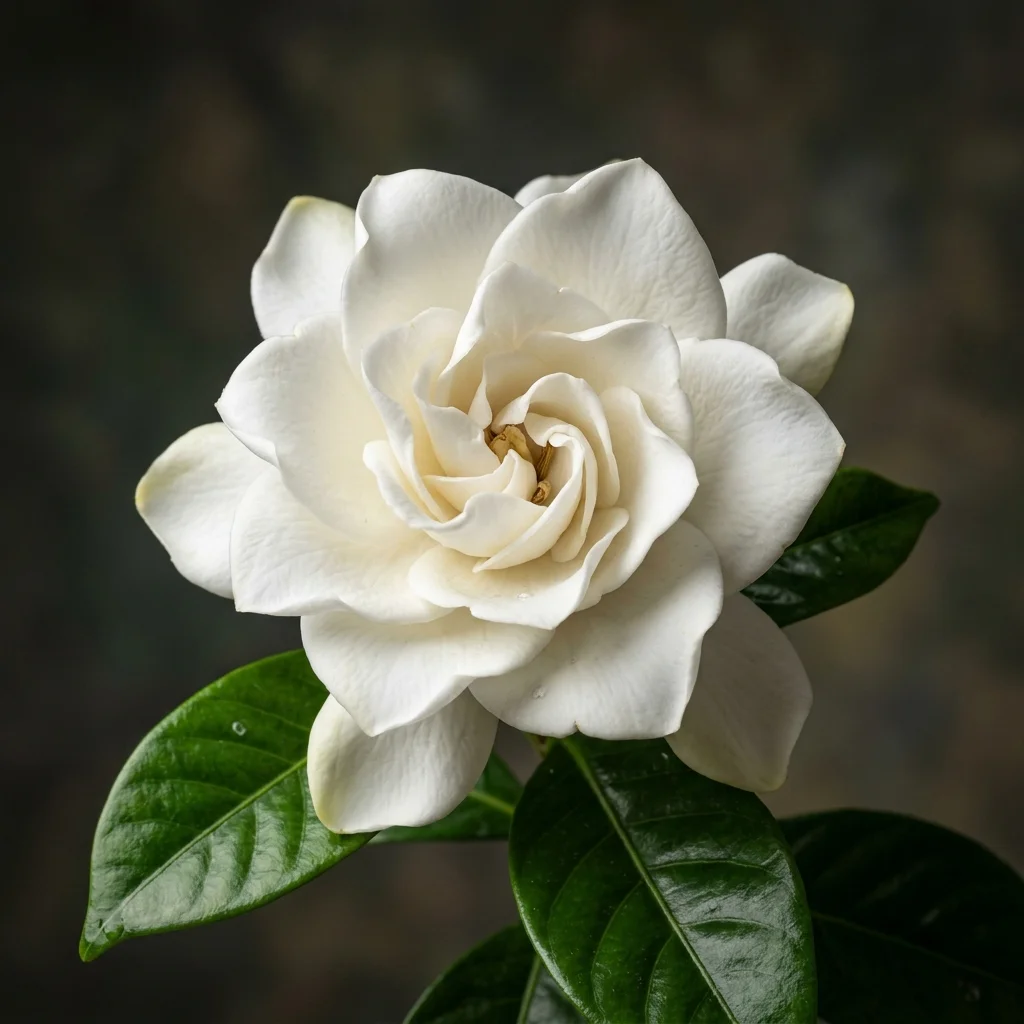
How to Identify Gardenia
Identify Gardenia (Gardenia jasminoides) immediately by its distinctive leaf arrangements, wood structures, and flowers. Recognizing its definitive visual traits is key to distinguishing it from other similar species.
-
✔
Distinctive Features: Perfect, layered wreathed blossoms featuring waxy, thick creamy-white petals surrounding a central crown of golden stamens.
-
✔
Typical Coloration: Pristine creamy-white blossoms fading to soft buttery yellow, with thick, glossy dark-green evergreen leaves.
-
✔
Potential Confusions: Sometimes confused with Camellia, but distinguished by its summer blooming habit, intensely sweet jasmine-like fragrance, and thick, opposite waxy leaves.
Complete Care & Cultivation Guide
Follow our detailed scientific care guide to keep your Gardenia thriving and gorgeous all year round.
Frequently Asked Questions
Why are my Gardenia flower buds dropping off before they open?
Bud drop is typically caused by root dehydration in late summer, exposure to cold drafts, or root rot from overwatering. Keep soil evenly moist and shelter the plant from strong winds.
Is Gardenia toxic to domestic pets?
Yes, Gardenia jasminoides leaves, stems, and berries contain mildly toxic saponins and geniposide. Ingestion by cats and dogs can cause vomiting, salivation, and diarrhea.
Why are my Gardenia leaves turning yellow with green veins?
This is Iron Chlorosis, a symptom of iron deficiency caused by high soil pH (alkaline soil). Gardenias cannot absorb iron in sweet soils. Apply chelated iron and acidify soil with peat moss.
How do I protect my Gardenia during freezing winters?
Cover container plants with burlap during heavy frosts, and apply a thick 3-inch layer of pine bark mulch over the soil to protect the shallow root system from freezing.