French Lavender Shrub Care & Identification Guide
The magnificent French Lavender Shrub (Lavandula dentata), known as the Toothed Lavender, is an outstanding evergreen woody perennial celebrated for its highly aromatic, dense flower spikes and unique saw-toothed foliage. Hailing from dry, limestone-rich rocky slopes of the Mediterranean, this woody subshrub thrives in scorching, arid conditions. Unlike herbaceous lavenders, it develops a highly robust, woody base over time. To preserve its beautiful purple spikes, silver-grey color, and sweet aromatic oils, it requires absolute full sun, alkaline sandy soil, and sharp drainage.





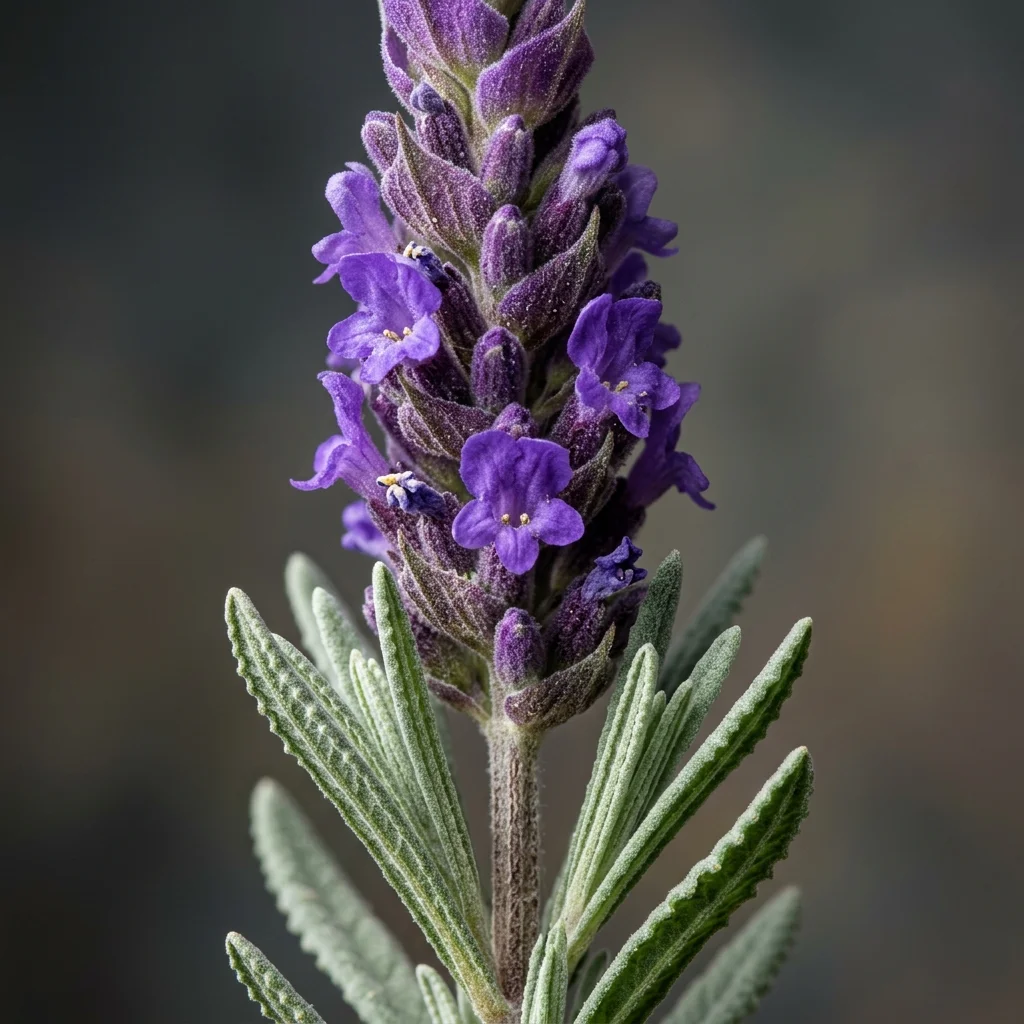
How to Identify French Lavender Shrub
Identify French Lavender Shrub (Lavandula dentata) immediately by its distinctive leaf arrangements, wood structures, and flowers. Recognizing its definitive visual traits is key to distinguishing it from other similar species.
-
✔
Distinctive Features: Dense flower spikes topped by a small tuft of purple bracts, rising on woody stems above silver-grey leaves with finely scalloped, tooth-like margins.
-
✔
Typical Coloration: Rich lavender-purple flowers, with highly aromatic grayish-green scalloped evergreen foliage.
-
✔
Potential Confusions: Sometimes confused with English Lavender (Lavandula angustifolia), but distinguished by its deeply toothed leaves, year-round blooming habit in warm climates, and small tufted crown bracts.
Complete Care & Cultivation Guide
Follow our detailed scientific care guide to keep your French Lavender Shrub thriving and gorgeous all year round.
Frequently Asked Questions
Why is my French Lavender base turning woody and bare?
This is a natural aging process for Lavandula dentata. To slow this down, prune the green stems back by one-third every year to stimulate fresh, bushy growth. Never cut back into the bare brown wood.
Is Lavender toxic to household pets?
Yes, all parts of Lavandula contain small amounts of linalool and linalyl acetate. Ingestion of leaves or flowers by cats and dogs can cause mild salivation, vomiting, and diarrhea.
Why is my Lavender losing its purple color and turning green?
Loss of silver-purple color is a classic sign of insufficient sunlight or excessive moisture. Move the plant to a location where it receives absolute full, direct sun and cut back watering.
How often should I water my Lavender shrub?
Water only when the soil is completely dry throughout the root zone. In sandy garden beds, this may mean once every 10-14 days; potted lavenders should be watered when the top 3 inches are dry.