Rose of Sharon Care & Identification Guide
The magnificent Rose of Sharon (Hibiscus syriacus) is an outstanding deciduous ornamental shrub, widely celebrated for its large, tropical-looking hollyhock-like blossoms that paint the landscape in vibrant colors throughout late summer. Native to open woodlands and coastal valleys of East Asia, this highly resilient wood perennial is the national flower of South Korea (known as Mugunghwa, meaning eternal blossom). Under stable conditions, it features a unique physiological blooming cycle where individual flowers wither within a day but the shrub endlessly produces a massive relay of fresh blooms daily, demanding full sun and aerated moist soil.





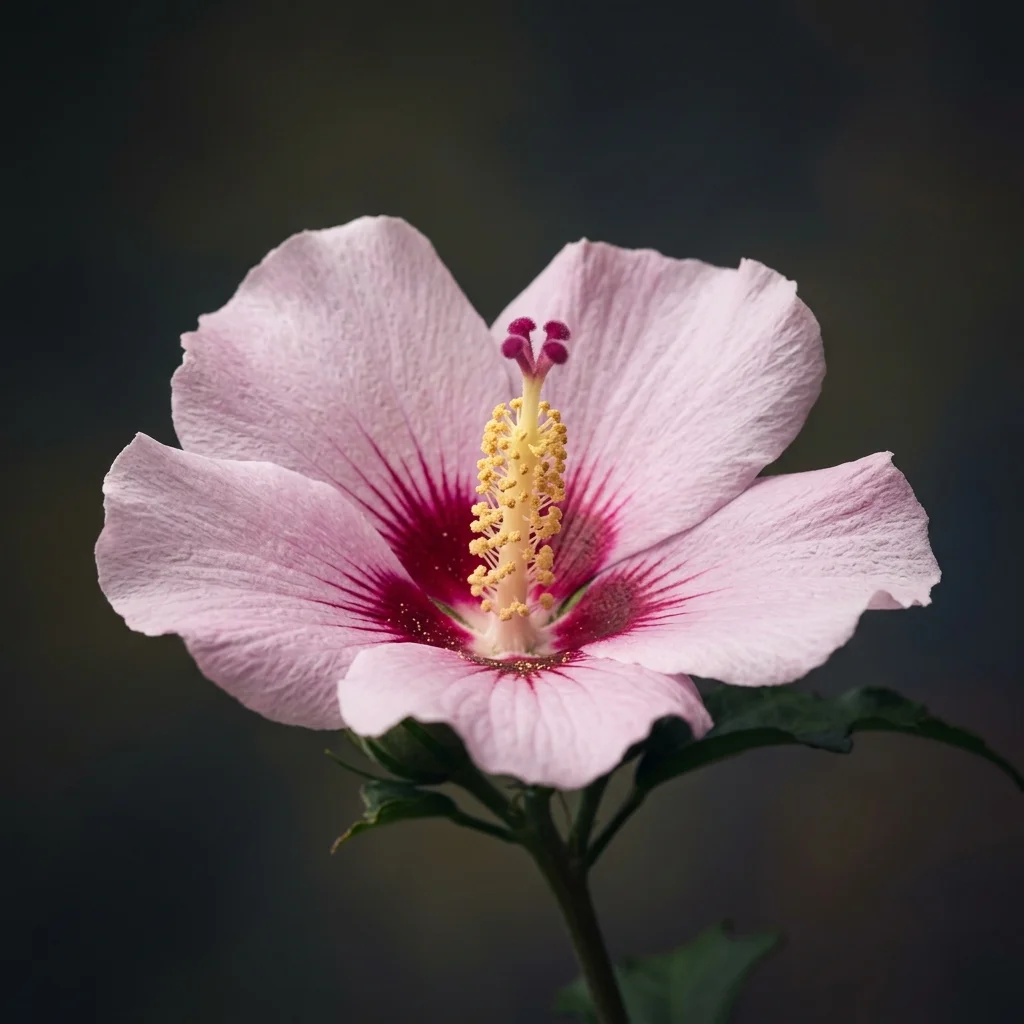
How to Identify Rose of Sharon
Identify Rose of Sharon (Hibiscus syriacus) immediately by its distinctive leaf arrangements, wood structures, and flowers. Recognizing its definitive visual traits is key to distinguishing it from other similar species.
-
✔
Distinctive Features: Large, bell-shaped five-petaled flowers measuring 3-4 inches across, featuring a prominent, contrasting dark red central throat and a long yellow stamen column.
-
✔
Typical Coloration: Soft shades of lavender, blush pink, orchid purple, or pure white, with distinct trilobed medium green leaves.
-
✔
Potential Confusions: Sometimes confused with tropical Hibiscus, but distinguished by its hardiness to freezing winter temperatures, deciduous nature, and deeply lobed, coarse-toothed leaves.
Complete Care & Cultivation Guide
Follow our detailed scientific care guide to keep your Rose of Sharon thriving and gorgeous all year round.
Frequently Asked Questions
Why are my Rose of Sharon flower buds falling off before opening?
Bud drop is typically caused by extreme moisture stress (either severe dehydration or root-drowning waterlogged soil) or a lack of direct sunlight. Ensure consistent, deep watering and full sun exposure.
Is Rose of Sharon toxic to household pets?
No, Hibiscus syriacus is completely non-toxic and pet-safe, offering a beautiful, highly colorful, and worry-free tropical-looking shrub for pet owners.
When should I prune my Rose of Sharon?
Prune in late winter or early spring before new growth starts. Because it blooms exclusively on 'new wood' generated in spring, pruning early encourages massive, robust summer flowers.
Why is my Rose of Sharon so late to grow leaves in spring?
This is perfectly normal! Hibiscus syriacus is notorious for being one of the last deciduous shrubs to break dormancy, often waiting until late spring. Be patient, as it is just protecting itself from late frosts.