Viburnum Care & Identification Guide
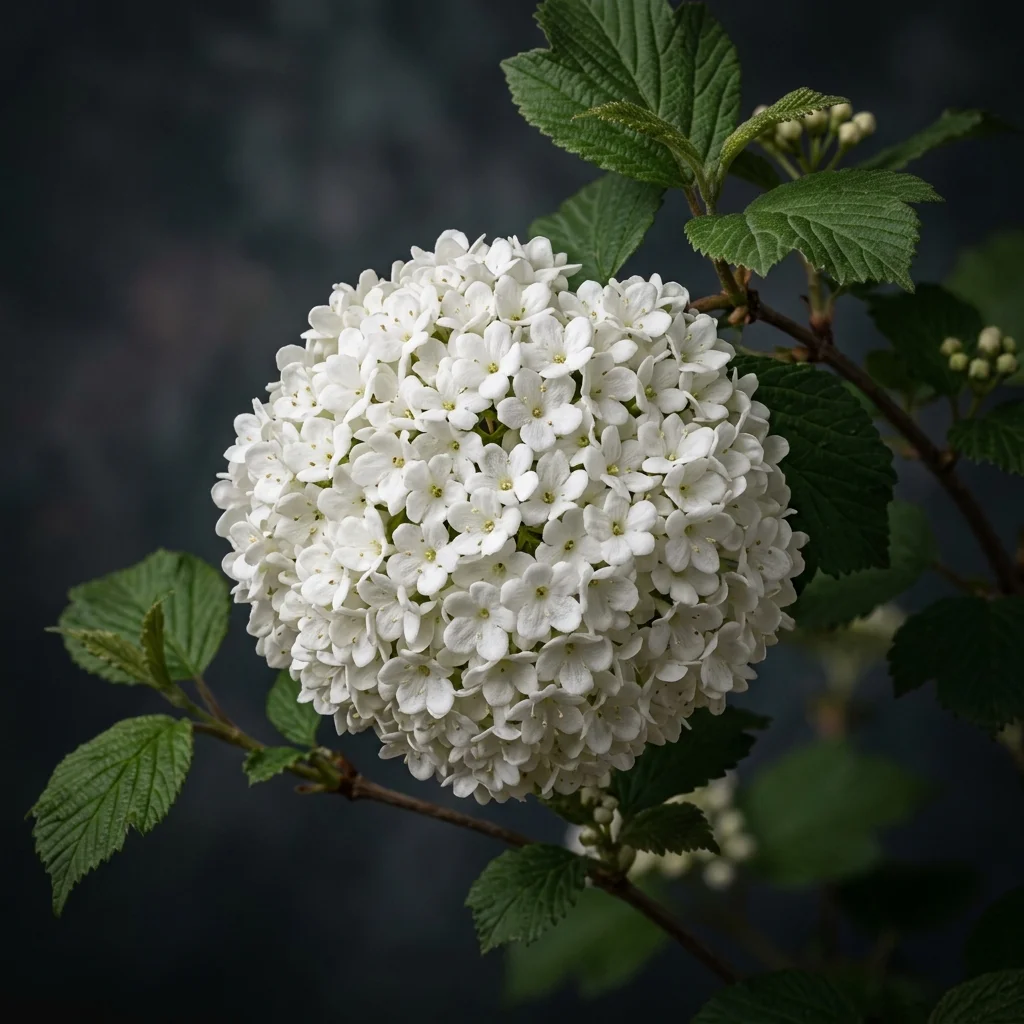
The magnificent Viburnum (Viburnum opulus), commonly known as the Snowball Bush, is a highly spectacular deciduous shrub celebrated for its massive, spherical flower heads that resemble pure white snowballs dangling from arching stems. Originating from moist, rich woodlands of Europe and Asia, this structural perennial is highly prized by landscape designers. In addition to its breathtaking spring flower show, it features gorgeous trilobed leaves that turn brilliant crimson in autumn, requiring a rich organic loam, consistent moisture, and good air circulation.





How to Identify Viburnum
Identify Viburnum (Viburnum opulus) immediately by its distinctive leaf arrangements, wood structures, and flowers. Recognizing its definitive visual traits is key to distinguishing it from other similar species.
-
✔
Distinctive Features: Colossal, perfectly spherical flower heads measuring 3-5 inches across, consisting of hundreds of tiny, sterile creamy-white florets.
-
✔
Typical Coloration: Pure paper-white blossoms fading to lime green, with beautiful trilobed, maple-like green leaves.
-
✔
Potential Confusions: Often confused with Hydrangea macrophylla, but easily distinguished by its woody upright shrub habit, trilobed maple-like leaves, and early spring blooming schedule.
Complete Care & Cultivation Guide
Follow our detailed scientific care guide to keep your Viburnum thriving and gorgeous all year round.
Frequently Asked Questions
Why is my Snowball Bush not producing flowers?
The primary reason is pruning too late in summer or autumn. Viburnum sets its buds on old wood in late summer. Pruning late cuts off all next spring's snowball buds. Also, ensure it receives bright sun.
Is Viburnum toxic to cats and dogs?
Yes, Viburnum opulus leaves, stems, and berries contain mildly toxic saponins. Ingestion by pets can cause vomiting, salivation, and diarrhea, though it is rarely life-threatening.
What causes the skeletonized, lacy leaves on my Viburnum?
This is severe damage from the Viburnum Leaf Beetle. Inspect the foliage in late spring for tiny larvae, and spray immediately with organic horticultural oil or insecticidal soap.
Do Viburnum snowball flowers smell sweet?
While some viburnums are highly fragrant, Viburnum opulus (Roseum) has sterile flowers designed for pure visual show and possesses a very faint, neutral herbal scent.