如何识别与觅食黑木耳 采集与识别指南
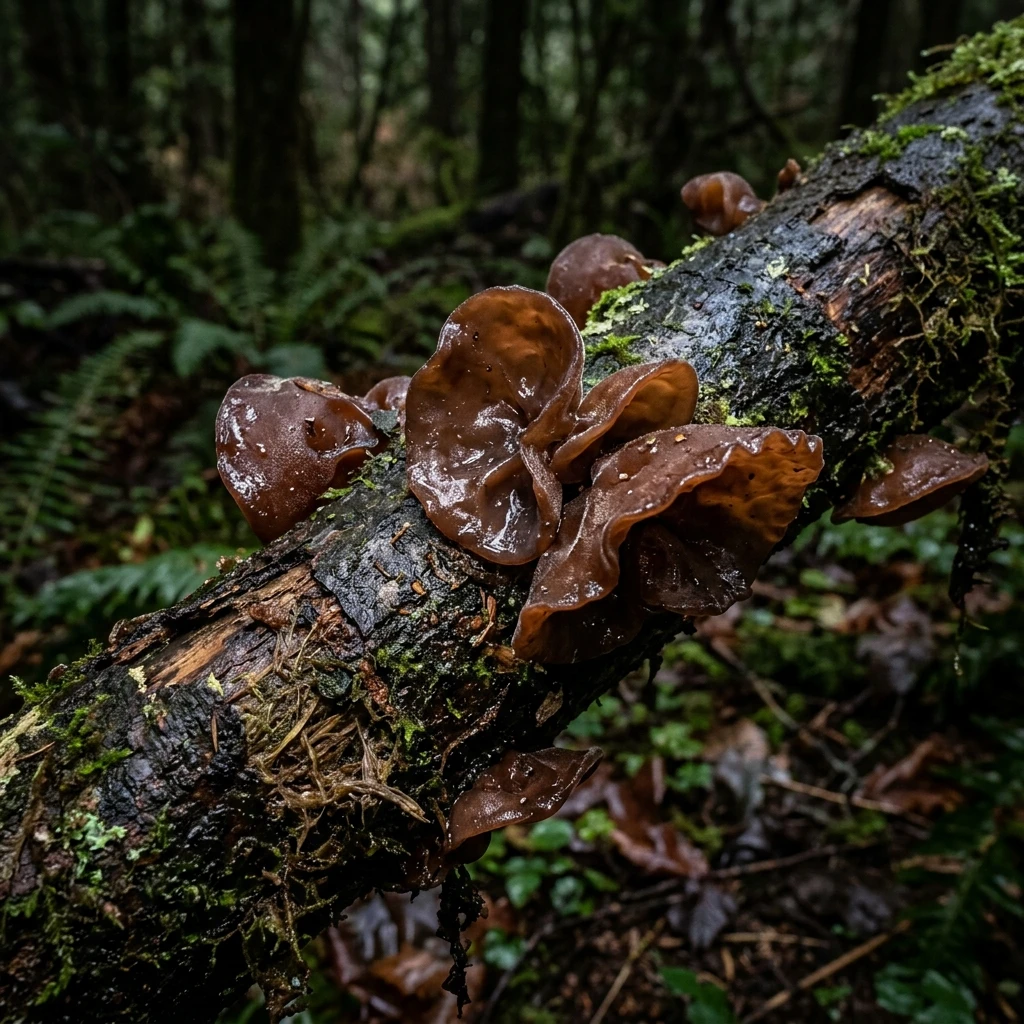
The 黑木耳 Mushroom, or Jelly Ear, is a highly unique gelatinous fungus native to temperate hardwood forests. Growing in clusters on decaying deciduous branches, this rubbery, ear-shaped mushroom is famous for its semi-translucent, brown structure and crunchy, cartilaginous bite. A staple in traditional Asian culinary and medicinal cultures, it is widely cultivated on sawdust logs.





如何识别黑木耳
一种棕色、胶状、耳形或杯形的真菌,生长在腐烂的硬木上,具有柔软的外表面。
-
✔
菌盖: 因物种而异。
-
✔
孢子印: 关键检查。
详细真菌图鉴与觅食指南
遵循我们详细的科学野外指南和环境参数,安全地识别和研究黑木耳。
常见相似物种与觅食危险
干燥枯萎
症状: 柔软的棕色耳朵在原木上收缩,变得极其坚硬、黑色且易碎。
白霉污染
症状: 在高湿度储存期间,潮湿的橡胶褶皱上会生长出白色粉状霉菌斑。
常见问题
Why is 黑木耳 so popular in Chinese cooking?
黑木耳 has a highly unique cartilaginous, crunchy texture that is highly valued in Chinese cuisine. It easily absorbs the flavors of broths, vinegars, and spices, adding a satisfying crunch to dishes.
What are the health benefits of 黑木耳?
黑木耳 is a powerful medicinal mushroom. It acts as a natural blood thinner (anti-coagulant), helps regulate blood sugar, lowers bad cholesterol, and is rich in iron and dietary fiber.
How do you rehydrate dried 黑木耳?
将干蘑菇放入一大碗温水中。它们会吸水并在大约 15 至 20 分钟内膨胀至干燥尺寸的 5 至 8 倍。切片前彻底冲洗以去除林地沙砾。
Can pregnant women eat 黑木耳?
因为黑木耳具有很强的抗凝血(血液稀释)特性,传统上建议在怀孕期间适量食用,并在任何外科手术前避免食用。