Proserpinaca palustris

Mermaid Weed Growing & Care Guide

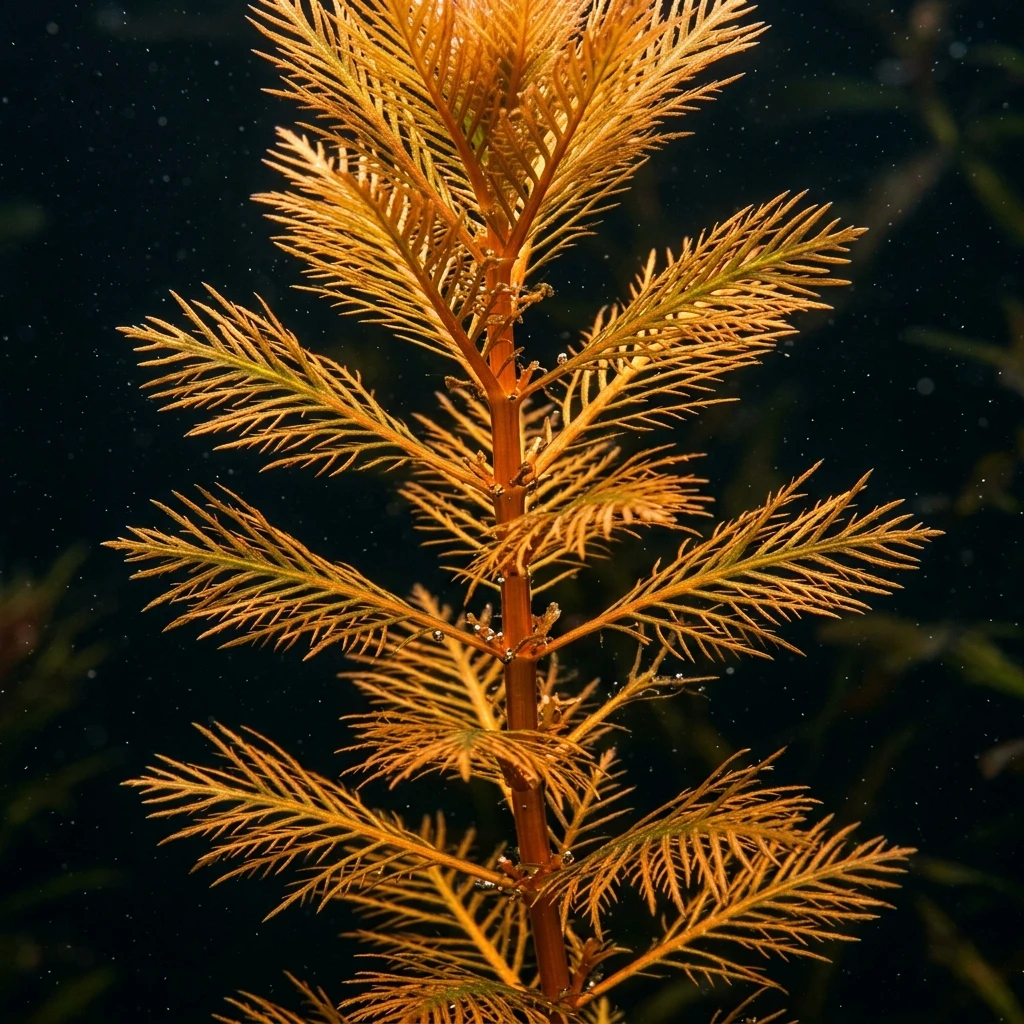
Mermaid Weed, native to North American marshes, is an exceptionally unique vertical stem species. Prized for its spectacular, highly-serrated feathered leaves that resemble combs, it transitions from a bright green saw-blade shape to a brilliant, glowing orange-pink under high light. It is an elite midground contrast plant, prized for its slow growth and dramatic architectural transformation.


Lighting Icon
Lighting High to Very High
Watering Icon
Water Parameter Soft to Moderate (pH 6.0-7.5)
Substrate Icon
Substrate Nutrient-rich Aquasoil
Temperature Icon
Water Temp 15°C - 28°C
Toxicity Warning Icon
Toxicity Pet Friendly (Non-toxic)
Botanical macro photography of Mermaid Weed (Proserpinaca palustris) - Plant AI care database

How to Identify Mermaid Weed

Mermaid Weed (Proserpinaca palustris) has key botanical markers. Recognizing these features is crucial for successful aquascaping and thriving growth.

  • Visual Shape & Growth: Upright vertical stems with highly serrated, saw-tooth comb-shaped green-to-orange-pink leaves.
  • Leaf Morphology: Unique saw-tooth (serrated) leaves (approx. 1-2 inches long) that become deeply comb-like (pectinate) and glowing orange-pink.
  • Root & Anchoring Structure: Stout, anchoring vertical roots that shoot deeply and hold tightly to the substrate.
💡 Plant AI Tip: Take a photo with Plant AI to identify aquatic weeds and diagnose fungal spot diseases in 1 second.

Complete Cultivation & Spawning Guide

Follow our detailed scientific water parameters and care guides to keep your Mermaid Weed thriving.

pH: 6.0 - 7.5, GH: 3 - 12 dGH. Prefers stable, clean, soft to moderately hard freshwater setups.
High. Pressurized CO2 injection (20-30 ppm) is highly recommended to support its vertical stem biomass expansion.
High to Very High. Intense full-spectrum lighting is mandatory to develop and sustain its gorgeous glowing orange-pink color.
Propagate by cutting the top healthy stems and replanting. Cut mid-stems to force bushy lateral branching.
Requires heavy iron and micro-nutrient dosing. Maintain low nitrates and high phosphates to induce intense redness.
Requires rich aquasoil. Provide slow-release root tabs to feed its vertical root network.
Optimal temperature is 15°C to 28°C (59°F - 82.4°F). Extremely cold hardy; rhizomes survive freezing winters easily.
Requires steady water circulation. Good current prevents organic waste and algae spores from landing on broad leaves.
Its tough, bitter leaves are completely fish-proof. Provides excellent hiding places for shrimp and breeding fish.
Slow growth makes it susceptible to hair algae. Keep water clean and employ Amano shrimps or Nerite snails.
Best placed in the midground. Space individual stems 1 to 2 inches apart to allow light penetration.

Are your Mermaid Weed leaves losing their serrations, turning green or rotting?

Ensure high-intensity lighting, inject CO2, dose iron, and limit nitrates to trigger leaf transformation.

Diagnose My Aquatics

Common Diseases & Treatment

Emersed-to-Submersed Transition Melt

Symptoms: Broad, saw-toothed green leaves turn brown and melt shortly after planting.

Action: This is normal transition behavior. Prune melted leaves; new, submersed needle-like comb leaves will sprout soon.

Loss of Serration (Comb Shape)

Symptoms: New leaves emerge broad, smooth, and green, losing their unique comb-like shape.

Action: Caused by insufficient light or overly high nitrogen levels. Increase lighting and reduce nitrate dosing.

Frequently Asked Questions

Why is it called Mermaid Weed?

The name comes from its magical, variable leaf shapes, which look like a comb for a mermaid's hair in its submersed form.

How do I make it turn bright orange?

Intense full-spectrum light, pressurized CO2, and strict nitrogen limitation (keeping nitrates under 10 ppm) are the key triggers.

Is it a fast grower?

No. Unlike most stem plants, Mermaid Weed is relatively slow-growing, making it exceptionally easy to manage in midground layouts.

Can it grow emersed?

Yes! Emersed leaves are broad, oval, and green with simple serrated edges. The delicate comb-like leaves only develop submersed under water.

Master advanced aquascaping. Start today!

Get Started for Free