Hygrophila difformis

Water Wisteria Growing & Care Guide

Water Wisteria is a incredibly fast-growing aquatic native to India, renowned for its deeply segmented, lace-like bright green leaves that dynamically adapt to tank parameters. It is an absolute powerhouse at stripping nitrates from aquarium water, making it a premier choice for biological filtration and combating algae.


Lighting Icon
Lighting Moderate Light
Water Hardness Icon
Water Hardness Aquatic (pH 6.0-8.0)
Substrate Icon
Substrate Nutrient-rich substrate / sand
Temperature Icon
Water Temp 20°C - 28°C
Toxicity Warning Icon
Toxicity Pet Friendly (Non-toxic)
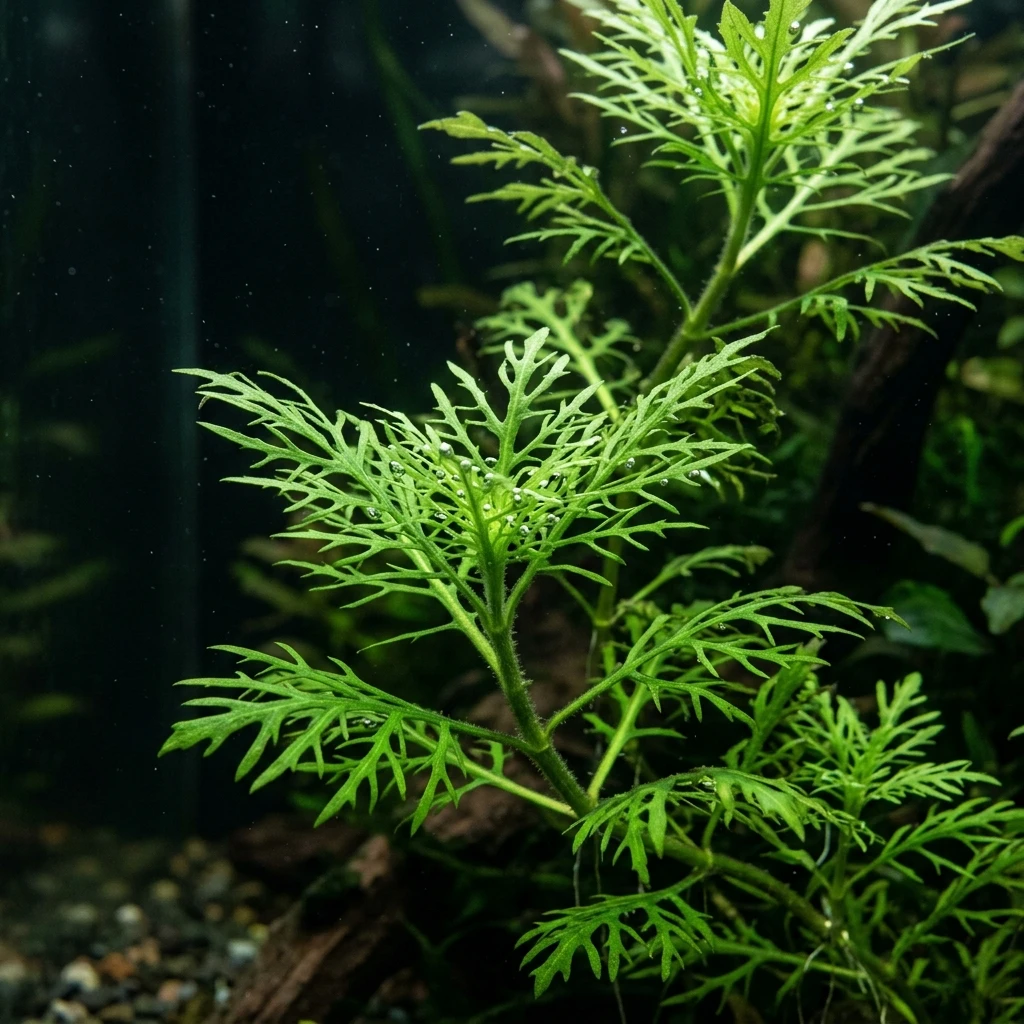
Botanical macro photography of Water Wisteria (Hygrophila difformis) - Plant AI care database

How to Identify Water Wisteria

Water Wisteria (Hygrophila difformis) has key botanical markers. Recognizing these features is crucial for successful aquascaping and thriving growth.

  • Visual Shape & Growth: Bushy vertical stem plant with deeply-cut, lace-like bright green leaves.
  • Leaf Morphology: Large, deeply lobed or segmented fan-like green leaves that resemble land wisteria or fern fronds.
  • Root & Anchoring Structure: Extremely robust, extensive white anchoring roots that rapidly colonize sand or gravel beds.
💡 Plant AI Tip: Take a photo with Plant AI to identify aquatic weeds and diagnose fungal spot diseases in 1 second.

Complete Cultivation & Spawning Guide

Follow our detailed scientific water parameters and care guides to keep your Water Wisteria thriving.

pH: 6.0 - 8.0, GH: 4 - 15 dGH. Exceptionally adaptable to soft and hard water parameters alike.
Low demand. Grows at explosive speeds without pressurized CO2. Carbon injection promotes highly intricate, lace-like leaf cuts.
Moderate to high. Under low light, the leaves grow rounder and less divided; strong light produces the highly prized lace-like leaf shape.
Clip any stem or branch. Remove bottom leaves of the clipping and insert into gravel. Can also propagate from a single leaf left floating.
Nitrate sponge. Requires regular liquid fertilizer dosing (potassium and iron) to prevent leaf yellowing and maintain rapid growth.
Plant in sand, gravel, or aquasoil. Requires a deep substrate to anchor its massive, robust root system.
Optimal temperature is 20°C to 28°C (68°F - 82°F). Sensitive to severe cold shocks below 15°C.
Appreciates steady, moderate water current to distribute nutrients through its large, bushy foliage.
Perfect for community tanks. Its thick root system offers great cover for fry, though herbivorous fish may nibble the soft leaves.
Its explosive growth rate rapidly strips nitrates and phosphates from the water, starving out green hair algae naturally.
Best placed in the background. Space stems at least 2 inches apart as the mature leaves spread out very wide.

Is your Water Wisteria leaves turning yellow, losing shape or melting?

Dose potassium, ensure adequate iron, and prune aggressively to prevent over-shading.

Diagnose My Aquatics

Common Diseases & Treatment

Potassium Deficiency Chlorosis

Symptoms: Lower leaves develop pinholes, turn pale yellow, and eventually decay.

Action: Dose water column potassium weekly to support its rapid growth rate.

Water Wisteria Melt

Symptoms: Leaves turn mushy and dissolve rapidly after introducing to a new tank.

Action: Usually occurs when acclimating from emersed to submersed growth. Trim the melted parts; new submersed leaves will shoot shortly.

Frequently Asked Questions

Why do my Wisteria leaves look solid instead of lace-like?

Solid, round leaves are either emersed leaves (grown out of water) or a sign of low light/nutrient levels. Increase light intensity to trigger lace-like submersed leaves.

Can Water Wisteria grow from a single leaf?

Yes! If a healthy leaf is severed and left floating on the water surface, it will slowly sprout roots and a new tiny stem from its base node.

How fast does Water Wisteria grow?

Extremely fast. In a high-tech tank, it can double its size in a week, easily reaching the surface. Regular pruning is mandatory to prevent it from choking the tank.

Is it safe for turtles?

Yes, it is entirely non-toxic and pet-friendly. Turtles may graze on it, which is safe, but they will easily shred the plant.

Master advanced aquascaping. Start today!

Get Started for Free