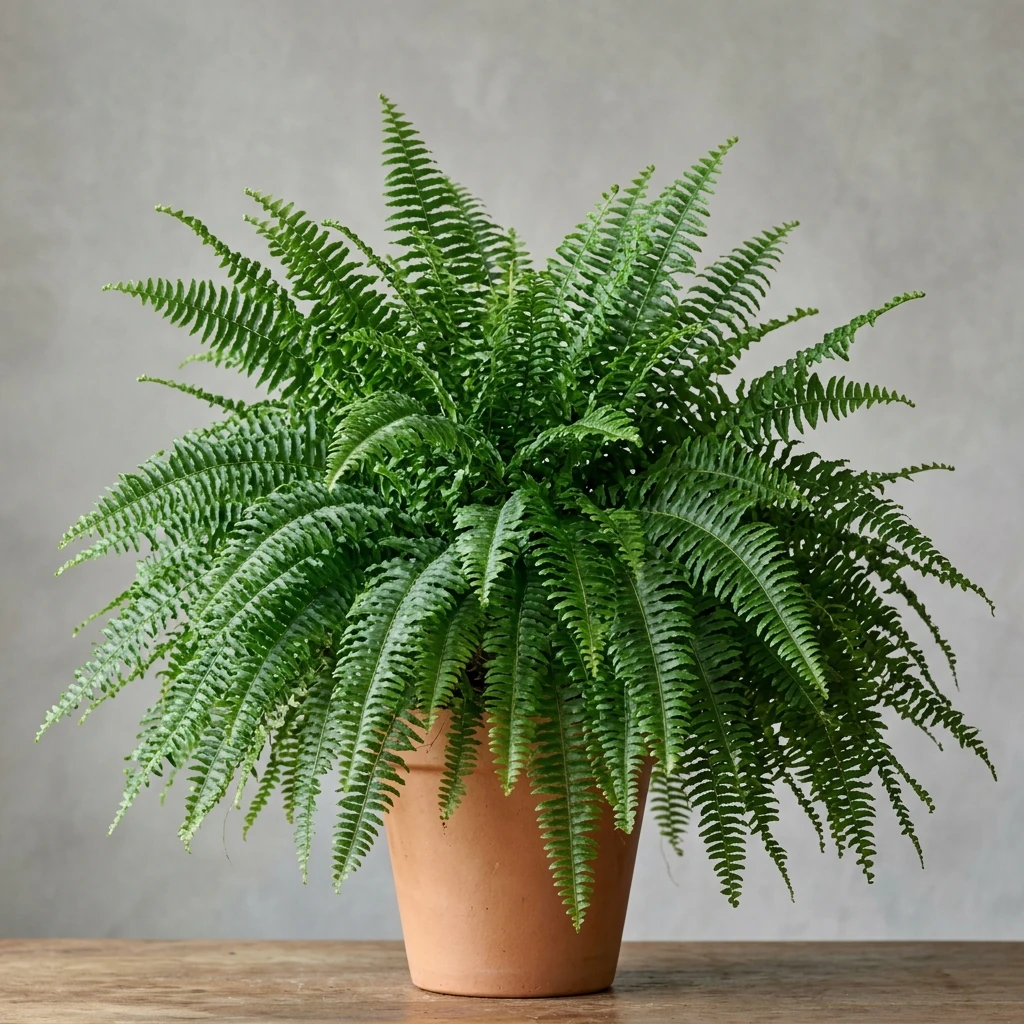
Nephrolepis exaltata

Boston Fern Care & Identification Guide

The magnificent Boston Fern (Nephrolepis exaltata) is a classic indoor botanical masterpiece, beloved for its elegant, arching green fronds that cascade beautifully in hanging baskets. Originating from damp tropical understories and swamp forests, this plant has adapted to capture dappled light and absorb high atmospheric moisture. To mimic its native moist woodland habitat and promote lush frond growth, the Boston Fern requires exceptionally high humidity, a highly aerated peaty substrate, and a consistent watering routine that keeps the soil evenly damp without causing waterlogging or crown decay.


Sunlight Icon
Sunlight Bright Indirect
Watering Icon
Watering Moderate
Soil Mix Icon
Soil Mix Peat Mix
Temperature Icon
Temperature 15°C - 24°C
Toxicity Warning Icon
Toxicity Non-toxic
Botanical photography of Boston Fern (Nephrolepis exaltata) - Plant AI care database

How to Identify Boston Fern

Identify Boston Fern immediately by its elegant and distinctive frond structure. Native to humid forest floors or mossy rocks, it features exquisite leaf patterns optimized to thrive under dappled canopy light.

  • Distinctive Features: Highly elegant, arching fronds up to 3 feet long, consisting of numerous neatly arranged, feathery green leaflets.
  • Typical Coloration: Rich forest green, with soft, bright chartreuse fiddleheads curling outward from the crown.
  • Potential Confusions: Often confused with Sword Fern, but distinguished by its softer, more arching, drooping fronds and indoor hanging habit.

11-Step Professional Care Guide

💧 【Watering & Moisture】 Keep the soil consistently moist but never soggy. Water thoroughly when the top 0.5 inches of the soil feels slightly dry to the touch. Avoid splashing water directly into the center of the crown to prevent crown rot.

☀️ 【Sunlight & Exposure】 Prefers bright, filtered indirect sunlight. Avoid direct afternoon sun which will bleach and scorch the delicate leaflets. Tolerates medium shade, but growth will slow down.

🪴 【Ideal Soil Mix】 Requires a highly porous, organic potting medium with excellent drainage. A perfect blend is 50% peat moss or coco coir, 30% perlite for aeration, and 20% organic compost or leaf mold.

🌡️ 【Temperature & Ventilation】 Thrives in stable warm conditions between 15°C and 24°C (60°F - 75°F). Keep away from cold drafts, air conditioner vents, and heaters. Maintain winter temperatures above 10°C (50°F).

✂️ 【Pruning & Grooming】 Snipping off older yellowing or crispy brown fronds at the base using sterilized shears. This improves air circulation and directs vital nutrients to fresh, new fiddleheads.

🧪 【Fertilization】 Feed lightly during the active growing season. Apply a balanced liquid houseplant fertilizer diluted to half strength once every 6 weeks from spring to early autumn.

🏺 【Potting & Container】 Excellent in plastic pots or hanging baskets with ample drainage holes. Repot in spring every 1-2 years when the roots begin to crowd or push out of the drainage holes.

🌱 【Propagation】 Easily propagated by dividing mature root clumps or detaching runner stolons in early spring. Repot divisions in fresh, damp potting mix and keep in high humidity.

🐛 【Common Pests】 Watch out for spider mites and scale insects hiding deep inside the feathery foliage. Maintain high humidity to deter spider mites, and dab scales with rubbing alcohol.

🦠 【Common Diseases】 Highly prone to pythium root rot if soil is compacted or waterlogged. Yellowing, dropping leaflets are early warning signs. Allow soil to breathe and ensure drainage.

🎓 【Botanist Advice】 Boston Ferns are superb natural air purifiers but are highly sensitive to low humidity. Hang them in a humid bathroom or kitchen, mist daily, or place them near a humidifier.

Frequently Asked Questions

Q: Why are my Boston Fern leaflets turning brown and dropping off?

A: Leaflet drop is typically caused by dry indoor air or underwatering. Boston Ferns require high humidity (above 50%). Mist the plant daily, utilize a pebble tray, or move it near a humidifier.

Q: How do I water my Boston Fern correctly to avoid root rot?

A: Water when the soil surface feels slightly dry, pouring water onto the soil rather than directly into the center crown. Ensure the pot drains completely and never leaves the plant sitting in standing water.

Q: Is the Boston Fern safe for cats and dogs?

A: Yes! The Boston Fern (Nephrolepis exaltata) is completely non-toxic to pets, making it a very safe and green choice for pet-owning households.

Q: Should I prune the brown stems hanging out of my Boston Fern?

A: Yes, those long, leafless brown strings are runner stolons used for natural propagation. You can prune them off at the base to keep the plant looking neat, or press them into soil to grow new plantlets.

Is your Boston Fern showing yellow or dry crispy leaves?

Don't let dehydration or root rot kill your ferns. Upload a photo now to get an instant AI botanical diagnosis and save your plants today!

Diagnose Boston Fern Now
Instant Identification

Keep Your Boston Fern Silky Green & Growing!

Use the Plant AI App to identify ferns immediately from your camera, diagnose crispy leaves, set precise moisture & watering alarms, and ask our AI Botanist expert care questions.

No more dying plants. Grow healthy greens today!

Get Started for Free