Deer's Foot Fern Care & Identification Guide
The magnificent Deer's Foot Fern (Davallia solida) is an exceptionally robust and spectacular evergreen masterpiece, celebrated for the tight, dark brown scales that cover its creeping rhizomes. Originating from tropical forest canopies and rocky crevices in Asia, its crawling stems resemble the slender claws of a deer. The deeply divided, leathery green fronds present a highly polished texture. To mimic its native high-humidity forest home, it requires consistent moisture, warm shaded settings, and a highly open peaty-bark potting mix.





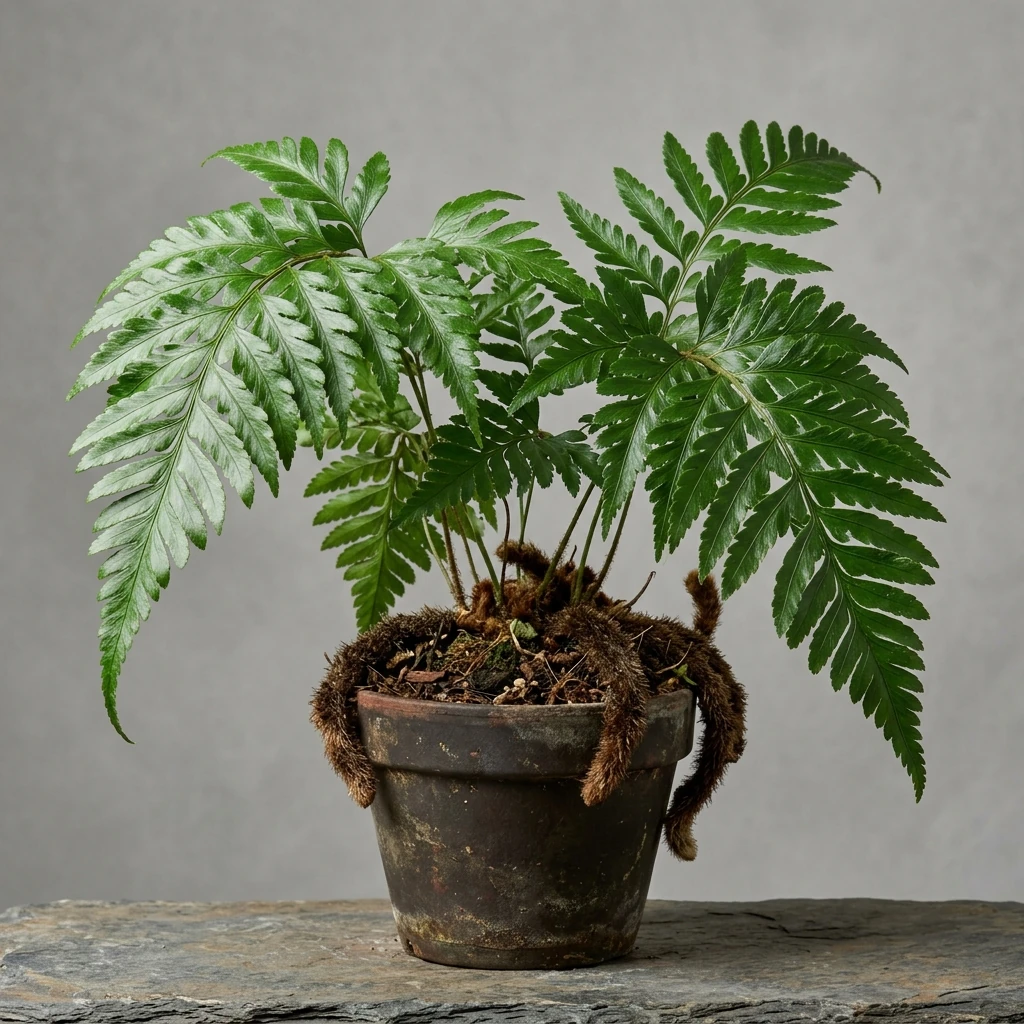
How to Identify Deer's Foot Fern
Identify Deer's Foot Fern immediately by its elegant and distinctive frond structure. Native to humid forest floors or mossy rocks, it features exquisite leaf patterns optimized to thrive under dappled canopy light.
-
✓
Distinctive Features: Creeping rhizomes covered in dense, dark brown to near-black hair-like scales, crawl over the pot edges.
-
✓
Typical Coloration: Rich, deep glossy emerald green foliage contrasting with the dark brown shaggy crawling claws.
-
✓
Potential Confusions: Similar to standard Rabbit's Foot, but instantly distinguished by the dark brown color of its dense crawling claws and glossier leaves.
11-Step Professional Care Guide
Frequently Asked Questions
Why are the crawling feet on my fern dark brown?
This is a natural characteristics of Davallia solida! The creeping rhizomes are covered in highly dense, dark brown scales, giving them a distinct deer-paw look.
Is the Deer's Foot Fern safe for household pets?
Yes, it is completely non-toxic and pet-safe for cats, dogs, and all other pets.
Does this fern shed its leaves in winter?
No, it is evergreen in warm climates, maintaining its glossy dark green leaves and structural beauty all through the winter months.
What is the best potting mix for this rare fern?
A highly porous, bark-heavy mix: 50% coarse orchid bark, 30% peat moss, and 20% charcoal/perlite. Never use standard potting soil.
Keep Your Deer's Foot Fern Silky Green & Growing!
Use the Plant AI App to identify ferns immediately from your camera, diagnose crispy leaves, set precise moisture & watering alarms, and ask our AI Botanist expert care questions.