Log Fern Care & Identification Guide
The magnificent Log Fern (Dryopteris celsa) is a highly spectacular and robust evergreen native of eastern North America, celebrated for its unique and rare ecological preference for growing on highly decayed, mossy rotting logs. Thriving in organic-rich wooded swamps, seepage slopes, and damp ravines, its root system has evolved a deep reliance on decomposing organic matter. To replicate its highly distinct boggy-woodland habitat, the Log Fern requires abundant, constant moisture, highly organic and aerated peaty soil, and deep shaded conditions.





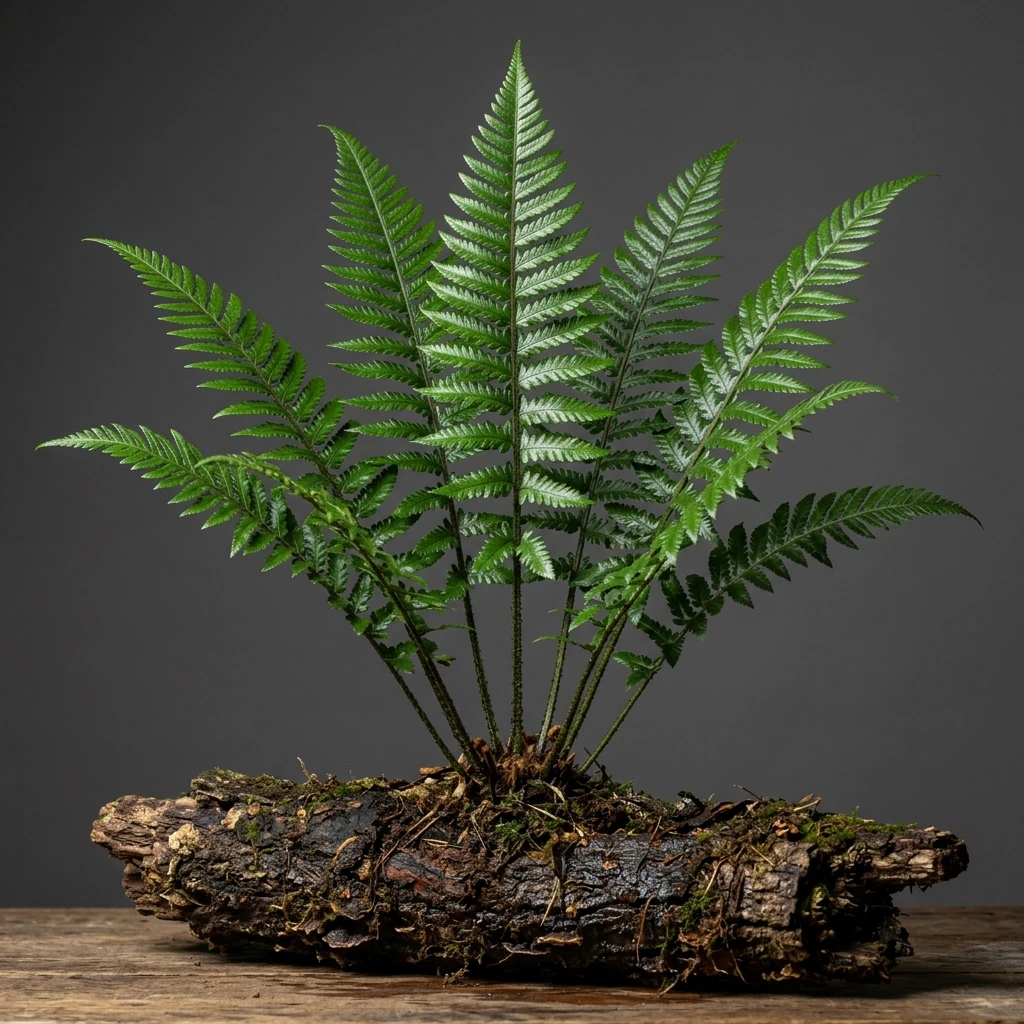
How to Identify Log Fern
Identify Log Fern immediately by its elegant and distinctive frond structure. Native to humid forest floors or mossy rocks, it features exquisite leaf patterns optimized to thrive under dappled canopy light.
-
✓
Distinctive Features: Broad, erect, deeply divided glossy fronds that form a highly structural crown up to 3 feet tall.
-
✓
Typical Coloration: Vibrant grass-green foliage, with a dense cover of pale gold-brown scales along the sturdy leaf stalks.
-
✓
Potential Confusions: Similar to Clinton's Wood Fern, but distinguished by its broader leaf outline, darker stem scales, and strict native preference for rotting log habitats.
11-Step Professional Care Guide
Frequently Asked Questions
Why is it called the Log Fern?
The name comes from its unique ecological niche! In its native wetlands, Dryopteris celsa is frequently found growing directly on highly decayed, mossy rotting logs, utilizing the rich decomposing organic matter.
Does this fern need decaying wood in its soil?
While it can grow in standard peaty soil, adding composted wood chips, orchid bark, or composted pine bark to its mix replicates its native habitat and significantly boosts its health.
Is the Log Fern safe for household pets?
Yes, it is completely non-toxic and pet-safe for cats, dogs, and all other pets.
Is the Log Fern evergreen?
Yes, it is evergreen in most climates, maintaining its tall structural foliage and vibrant green color all through the cold winter months.
Keep Your Log Fern Silky Green & Growing!
Use the Plant AI App to identify ferns immediately from your camera, diagnose crispy leaves, set precise moisture & watering alarms, and ask our AI Botanist expert care questions.