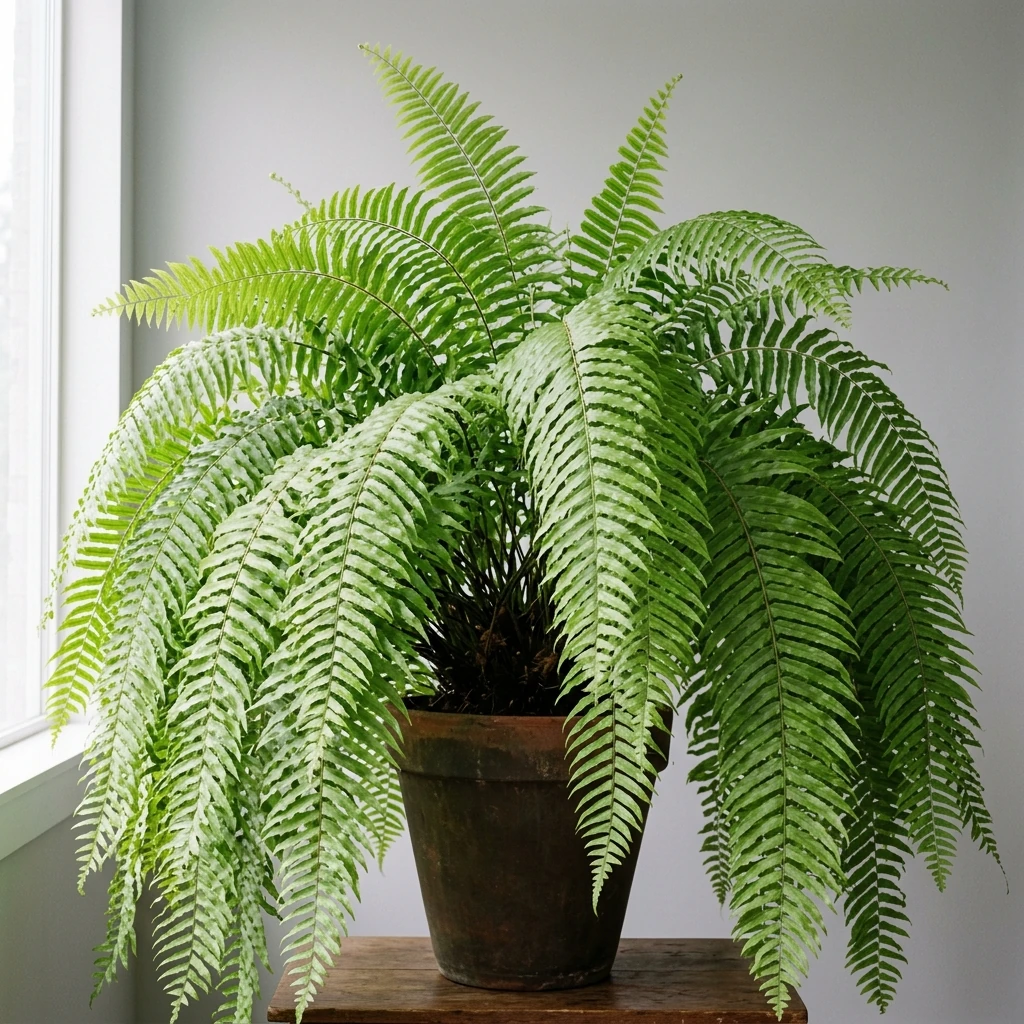
Nephrolepis falcata

Macho Fern Care & Identification Guide

The magnificent Macho Fern (Nephrolepis falcata), also known as the Giant Sword Fern, is a colossal and imposing botanical marvel, admired for its gargantuan, thick green fronds. Originating from tropical forest canopies and riverbanks, it can produce spectacular fronds reaching up to 6 feet in length. With its bold, sweeping form, it is highly suited for large veranda displays, spacious entryways, or as a magnificent garden focal point. To support its rapid, massive growth, the Macho Fern requires a large container, consistent abundant moisture, and a rich, highly aerated peaty soil mix.


Sunlight Icon
Sunlight Bright Indirect
Watering Icon
Watering Moderate
Soil Mix Icon
Soil Mix Peat Mix
Temperature Icon
Temperature 15°C - 24°C
Toxicity Warning Icon
Toxicity Non-toxic
Botanical photography of Macho Fern (Nephrolepis falcata) - Plant AI care database

How to Identify Macho Fern

Identify Macho Fern immediately by its elegant and distinctive frond structure. Native to humid forest floors or mossy rocks, it features exquisite leaf patterns optimized to thrive under dappled canopy light.

  • Distinctive Features: Colossal, sweeping fronds up to 6 feet long with broad, broad, leathery, slightly curved green leaflets.
  • Typical Coloration: Lively, bright apple-green to rich emerald, with thick, sturdy pale-brown leaf stalks.
  • Potential Confusions: Unmistakable due to its giant size. Much larger, broader, and more leathery than the common Boston Fern.

11-Step Professional Care Guide

💧 【Watering & Moisture】 Needs abundant moisture. Water thoroughly as soon as the top soil surface feels dry. Large fronds transpire massive amounts of water; do not let the soil dry out completely.

☀️ 【Sunlight & Exposure】 Thrives in bright indirect light to deep filtered shade. Excellent for covered porches. Keep completely out of direct afternoon sun.

🪴 【Ideal Soil Mix】 Requires a rich, moisture-retentive but highly porous medium. Blend 50% peat moss, 25% perlite, and 25% organic leaf mold or compost.

🌡️ 【Temperature & Ventilation】 Prefers warm, humid environments: 16°C to 28°C (61°F - 82°F). Protect from strong winds, which can rip its giant fronds, and frost.

✂️ 【Pruning & Grooming】 Cut old, yellowing, or damaged giant fronds near the soil line with clean pruning shears to keep the massive plant looking tidy.

🧪 【Fertilization】 Feed every 4 weeks during the growing season with a balanced water-soluble fertilizer at half strength to fuel its rapid, giant foliage development.

🏺 【Potting & Container】 Requires massive, heavy pots (12-15 inches or larger) to accommodate its rapid root expansion and prevent the giant plant from tipping over.

🌱 【Propagation】 Propagated by carefully dividing its large, fibrous root crown in early spring. Use a sharp, sterile knife to separate large clumps.

🐛 【Common Pests】 Scale insects and mealybugs can occasionally hide on the undersides of the giant leaflets. Spray with organic neem oil or insecticidal soap.

🦠 【Common Diseases】 Root rot can occur if its massive pot lacks drainage or sits in stagnant water. Ensure superior drainage and highly porous soil.

🎓 【Botanist Advice】 The Macho Fern is the ultimate 'porch fern'. Hang it in a sheltered outdoor patio where it has plenty of space to cascade, and water it deeply during warm summer months.

Frequently Asked Questions

Q: How big does the Macho Fern actually get?

A: It is a giant! In warm, humid environments, its bold arching fronds can easily reach 4 to 6 feet in length, and the entire plant can spread up to 5-6 feet across.

Q: Can I keep a Macho Fern inside my house?

A: Yes, but you need a lot of space! Place it in a large room near a bright, indirect window, and ensure you have a humidifier to keep its massive foliage hydrated.

Q: Is the Giant Macho Fern safe for cats and dogs?

A: Yes, despite its imposing size, it is a non-toxic Nephrolepis fern and is completely safe for household pets.

Q: Why are the lower leaves of my Macho Fern turning yellow?

A: Occasional yellowing of old, lower fronds is normal as the plant grows new giant fronds. However, widespread yellowing can indicate underwatering or nutrient deficiency.

Is your Macho Fern showing yellow or dry crispy leaves?

Don't let dehydration or root rot kill your ferns. Upload a photo now to get an instant AI botanical diagnosis and save your plants today!

Diagnose Macho Fern Now
Instant Identification

Keep Your Macho Fern Silky Green & Growing!

Use the Plant AI App to identify ferns immediately from your camera, diagnose crispy leaves, set precise moisture & watering alarms, and ask our AI Botanist expert care questions.

No more dying plants. Grow healthy greens today!

Get Started for Free