Petticoat Fern Care & Identification Guide
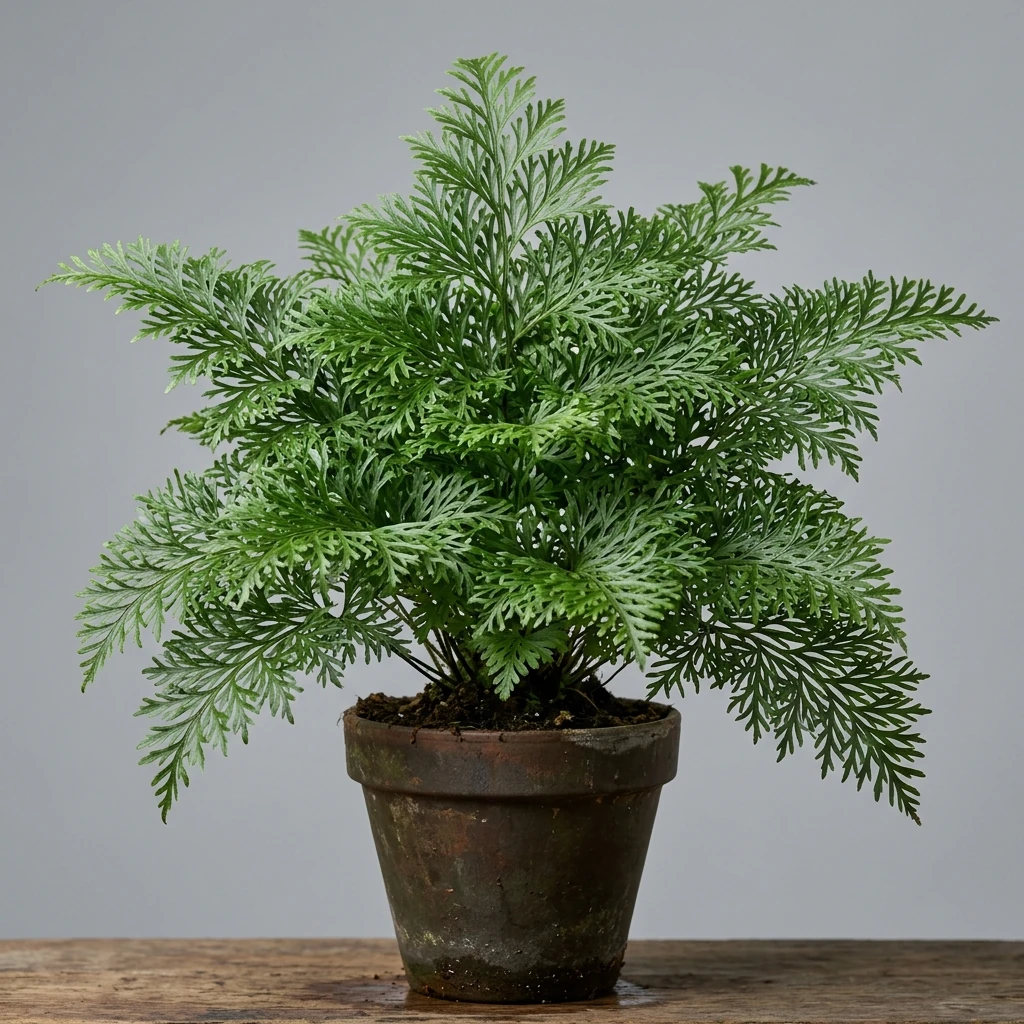
The magnificent Petticoat Fern (Nephrolepis exaltata 'Petticoat') is a highly unique and fancy cultivar of the Boston Fern, characterized by its heavily crested, multi-forked frond tips. Each leaflet and frond end splits multiple times, creating a dense, ruffled, and layered appearance that resembles the fluffy tiers of a petticoat. This dense, heavy foliage requires extra attention, as the tightly clustered leaf tips easily trap moisture, making a well-aerated potting mix, stable warmth, and exceptional air circulation crucial to prevent leaf decay and crown rot.





How to Identify Petticoat Fern
Identify Petticoat Fern immediately by its elegant and distinctive frond structure. Native to humid forest floors or mossy rocks, it features exquisite leaf patterns optimized to thrive under dappled canopy light.
-
✓
Distinctive Features: Heavily crested, multi-branched frond tips that form fluffy, multi-layered, three-dimensional clusters.
-
✓
Typical Coloration: Lively apple-green to bright forest green, with a highly textured, dense appearance.
-
✓
Potential Confusions: Distinguished from other Nephrolepis ferns by the dramatic二叉 (dichotomous) splitting at the end of every leaflet tip.
11-Step Professional Care Guide
Frequently Asked Questions
Why are the ruffled ends of my Petticoat Fern turning black or rotting?
This is typically caused by water trapping. Water sitting on the dense, multi-forked tips combined with low air movement leads to bacterial or fungal decay. Water only the soil directly.
How do I clean dust off the dense ruffled leaves of this fern?
Instead of spraying it with water, which can cause rot, use a soft feather duster, a makeup brush, or a gentle cool blow dryer to blow away dust from the crested tips.
Is the Petticoat Fern safe for household pets?
Yes, Nephrolepis 'Petticoat' is fully non-toxic and perfectly safe for cats, dogs, and other pets.
What causes the crested tips to lose their shape and look flat?
Lack of adequate bright indirect sunlight or poor nutrition can cause the new growth to be thin and less crested. Provide optimal light and feed lightly during the active season.
Keep Your Petticoat Fern Silky Green & Growing!
Use the Plant AI App to identify ferns immediately from your camera, diagnose crispy leaves, set precise moisture & watering alarms, and ask our AI Botanist expert care questions.