Resurrection Fern Care & Identification Guide
The magnificent Resurrection Fern (Pleopeltis polypodioides) is an exceptionally unique and highly spectacular evergreen epiphyte native to the damp oak forests of the Americas, celebrated for its legendary poikilohydric (water-resurrecting) ability. Under dry conditions, it loses up to 97% of its water content, curling its leaves into gray, dry, seemingly dead shriveled twigs. However, upon receiving a single drop of rain, it dramatically unfurls and returns to a lush, bright green state within a few hours. It thrives clinging to coarse oak bark or rocky slabs.





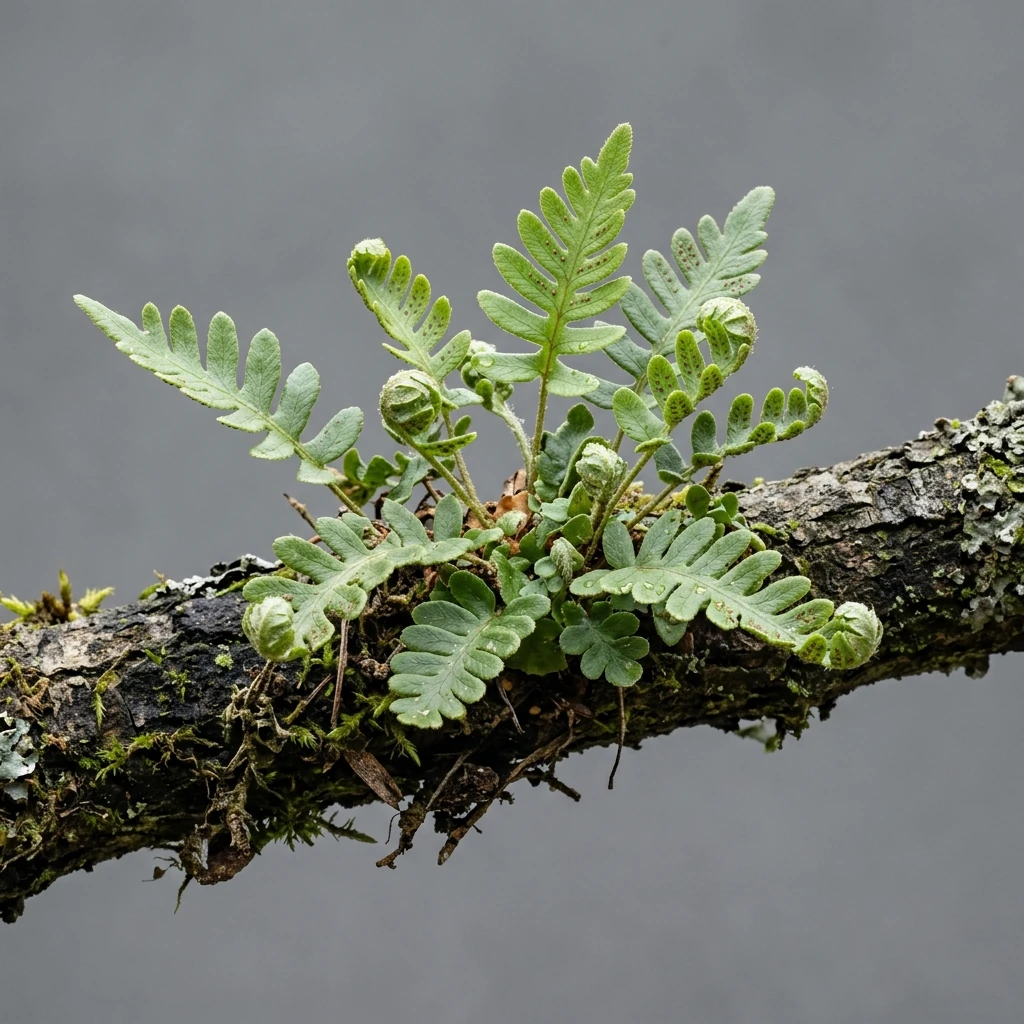
How to Identify Resurrection Fern
Identify Resurrection Fern immediately by its elegant and distinctive frond structure. Native to humid forest floors or mossy rocks, it features exquisite leaf patterns optimized to thrive under dappled canopy light.
-
✓
Distinctive Features: Small, leathery, single-pinnate creeping leaves that shrivel and curl completely when dry, and resurrect when wet.
-
✓
Typical Coloration: Dull gray-brown and scaly when dry; instantly changes to a lively, vibrant grass-green when hydrated.
-
✓
Potential Confusions: Similar to Licorice Fern, but easily distinguished by the dense, tiny, silver-gray scales covering the undersides of the fronds.
11-Step Professional Care Guide
Frequently Asked Questions
How does the Resurrection Fern survive drying out?
It is poikilohydric! It produces special protective proteins in its cells that prevent cell walls from collapsing when it loses up to 97% of its water, allowing it to remain dry for years.
Should I cut off the dry, brown shriveled leaves?
No! Those leaves are not dead. They are in a state of suspended animation. Simply mist them with water, and they will unfurl into bright green leaves in a few hours.
Is the Resurrection Fern safe for household pets?
Yes, Pleopeltis polypodioides is completely non-toxic and pet-safe for cats and dogs.
Can I grow the Resurrection Fern in potting soil?
Absolutely not! It is an epiphyte that clings to trees. Growing it in heavy potting soil will suffocate its roots, leading to instant decay.
Keep Your Resurrection Fern Silky Green & Growing!
Use the Plant AI App to identify ferns immediately from your camera, diagnose crispy leaves, set precise moisture & watering alarms, and ask our AI Botanist expert care questions.