Rough Maidenhair Care & Identification Guide
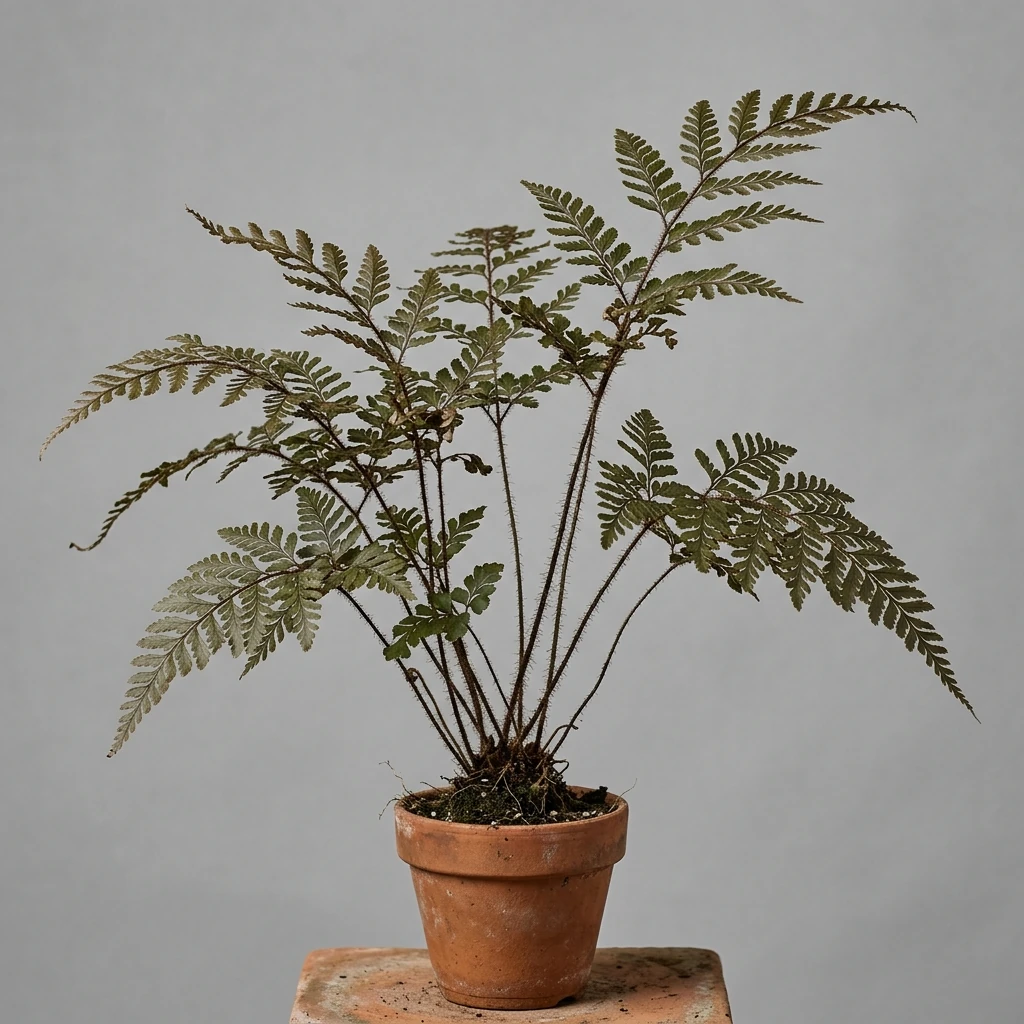
The magnificent Rough Maidenhair (Adiantum hispidulum var.) is a highly unique and resilient variety, characterized by its coarse, slightly leathery leaflets and distinctively rough, hairy stalks. Originating from rocky forest floors and shaded ravines, this hardy maidenhair features a stiffer, more upright growth habit than its delicate cousins. Because of its rough epidermal texture, it exhibits superior resistance to minor dry spells and lower humidity, making it an excellent 'entry-level' maidenhair fern for indoor enthusiasts. It requires bright indirect light, sandy-peaty soil, and regular watering.





How to Identify Rough Maidenhair
Identify Rough Maidenhair immediately by its elegant and distinctive frond structure. Native to humid forest floors or mossy rocks, it features exquisite leaf patterns optimized to thrive under dappled canopy light.
-
✓
Distinctive Features: Stiff, upright, pedately divided fronds with rough, hairy stalks and slightly leathery fan leaflets.
-
✓
Typical Coloration: Rich dark green foliage, with pale brown or bronze accents on the newly emerging hairy fiddleheads.
-
✓
Potential Confusions: Similar to Rosy Maidenhair, but features rougher, more leathery leaves with less dramatic pink coloration.
11-Step Professional Care Guide
Frequently Asked Questions
Why are the leaf stems of my Rough Maidenhair so rough and hairy?
Those tiny hairs (hispid hairs) are a natural defense mechanism! They help reduce water loss and protect the plant from pests in its rocky native habitat.
How drought-tolerant is the Rough Maidenhair?
For a maidenhair fern, it is highly resilient! It can tolerate the soil drying out slightly more than the delicate Delta Maidenhair, though it still prefers consistent dampness.
Is the Rough Maidenhair safe for domestic pets?
Yes, it is completely non-toxic and pet-safe for dogs, cats, and all other pets.
Can I grow the Rough Maidenhair in a rock garden outdoors?
Yes, in mild, frost-free climates (USDA Zone 9b-11), it thrives in outdoor shaded rock gardens or dry stone walls.
Keep Your Rough Maidenhair Silky Green & Growing!
Use the Plant AI App to identify ferns immediately from your camera, diagnose crispy leaves, set precise moisture & watering alarms, and ask our AI Botanist expert care questions.