Soft Tree Fern Care & Identification Guide
The magnificent Soft Tree Fern (Dicksonia antarctica), also known as the Tasmanian Tree Fern, is an exceptionally robust evergreen native of eastern Australia and Tasmania, celebrated for its stout, red-brown fibrous trunk and graceful, sweeping crown. Originating from damp, shaded mountain ravines, its thick trunk is actually a dense sheath of aerial roots that absorb water directly from the air. To grow this woodland classic, it requires consistent moisture, cool shaded conditions, and a highly organic forest soil.





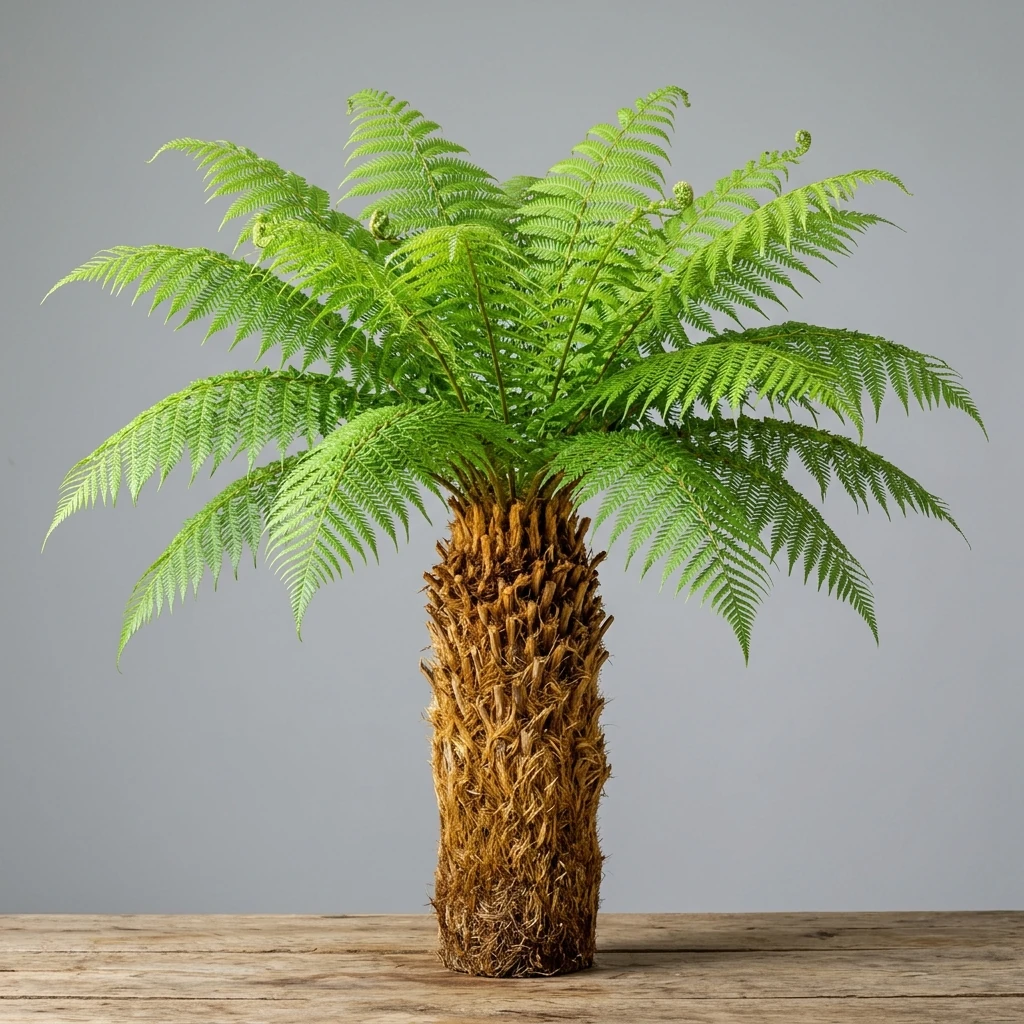
How to Identify Soft Tree Fern
Identify Soft Tree Fern immediately by its elegant and distinctive frond structure. Native to humid forest floors or mossy rocks, it features exquisite leaf patterns optimized to thrive under dappled canopy light.
-
✓
Distinctive Features: Stout, thick, red-brown fibrous trunk supporting a massive crown of arching deeply divided fronds.
-
✓
Typical Coloration: Rich, bright emerald green foliage, with sturdy stalks covered in dense, reddish-brown scales.
-
✓
Potential Confusions: Similar to Australian Tree Fern, but distinguished by its much thicker, fibrous root trunk, softer foliage, and superior cold-hardiness.
11-Step Professional Care Guide
Frequently Asked Questions
Why must I water the trunk of my Soft Tree Fern?
Because the trunk is not wood! It is actually a dense protective sheath made of hundreds of fibrous air roots. Watering the trunk directly keeps these air roots hydrated, which is vital for the fern's health.
How cold-hardy is the Soft Tree Fern?
It is extremely cold-hardy! Dicksonia antarctica can survive winter frosts down to -10°C (14°F) under snow cover, making it the most popular outdoor tree fern in temperate gardens.
Is the Soft Tree Fern safe for pets?
Yes, Dicksonia antarctica is completely non-toxic and pet-safe.
How fast does the Soft Tree Fern grow?
It is a very slow-growing species, typically growing only 1 to 2 inches of trunk height per year, although its fronds can reach full size in a single season.
Keep Your Soft Tree Fern Silky Green & Growing!
Use the Plant AI App to identify ferns immediately from your camera, diagnose crispy leaves, set precise moisture & watering alarms, and ask our AI Botanist expert care questions.