Stag's Horn Clubmoss Care & Identification Guide
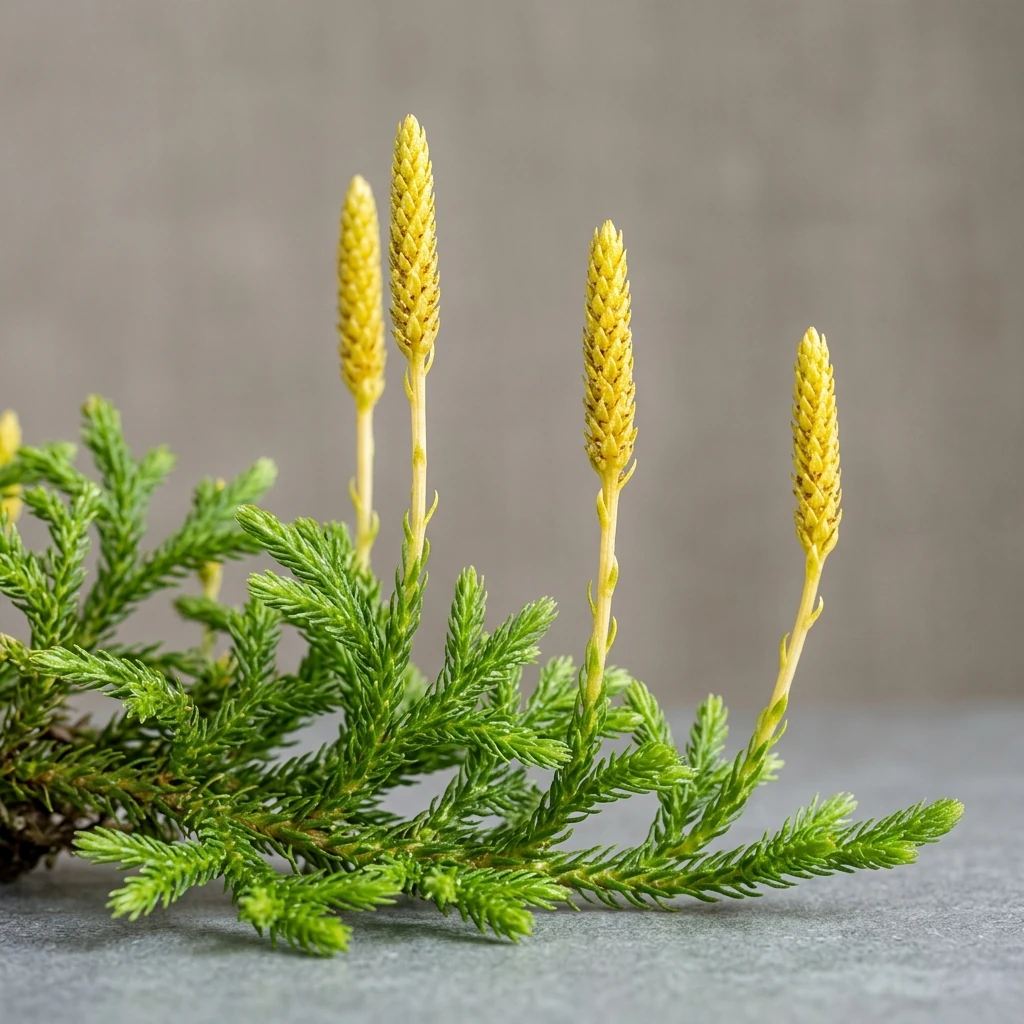
The magnificent Stag's Horn Clubmoss (Lycopodium clavatum), also known as the Ground Pine, is an exceptionally unique, primitive evergreen vascular plant native to acidic mountain heaths and coniferous forests across the Northern Hemisphere. Strictly speaking, it is a lycophyte (fern ally), celebrated for its creeping, pine-like stems that branch like stag horns and its erect, candle-like yellow spore cones. Its highly flammable, water-repellent spores (Lycopodium powder) were historically used in early flash photography and theatrical fire effects. It requires gritty acidic soil.





How to Identify Stag's Horn Clubmoss
Identify Stag's Horn Clubmoss immediately by its elegant and distinctive frond structure. Native to humid forest floors or mossy rocks, it features exquisite leaf patterns optimized to thrive under dappled canopy light.
-
✓
Distinctive Features: Creeping ground-hugging moss-like stems resembling tiny pine branches, with erect yellow candle-like spore spikes.
-
✓
Typical Coloration: Rich forest-green creeping foliage with bright yellow to cream-colored spore candles.
-
✓
Potential Confusions: Often mistaken for giant moss or a creeping pine seedling; distinguished by its creeping, branching club-like habit and erect spore cones.
11-Step Professional Care Guide
Frequently Asked Questions
Is Stag's Horn Clubmoss a true moss or fern?
Neither! It is a lycophyte, often called a 'fern ally'. It is a primitive vascular plant that produces spores but has a unique, pine-like structure dating back 400 million years.
What is Lycopodium powder?
It is a botanical marvel! The yellow spores of Lycopodium clavatum are highly hydrophobic (water-repellent) and extremely flammable. Historically, it was used by early magicians and photographers as the first flash powder.
Is the Stag's Horn Clubmoss safe for domestic pets?
Yes, Lycopodium clavatum is completely non-toxic and pet-safe for cats, dogs, and other household animals.
Why are the leaves turning yellow-brown?
This is usually caused by stagnant water or compacted soil. Ensure it is planted in highly porous, sandy-peaty soil with excellent drainage.
Keep Your Stag's Horn Clubmoss Silky Green & Growing!
Use the Plant AI App to identify ferns immediately from your camera, diagnose crispy leaves, set precise moisture & watering alarms, and ask our AI Botanist expert care questions.