African Violet Care & Identification Guide
Featuring rosettes of velvety, fuzzy leaves and clusters of jewel-like violet blossoms, the African Violet is a nostalgic indoor treasure. Under the right indoor conditions, this compact plant can reward you with flowers almost year-round. It is widely celebrated by botanists for its distinct environmental adaptability and structural appeal.





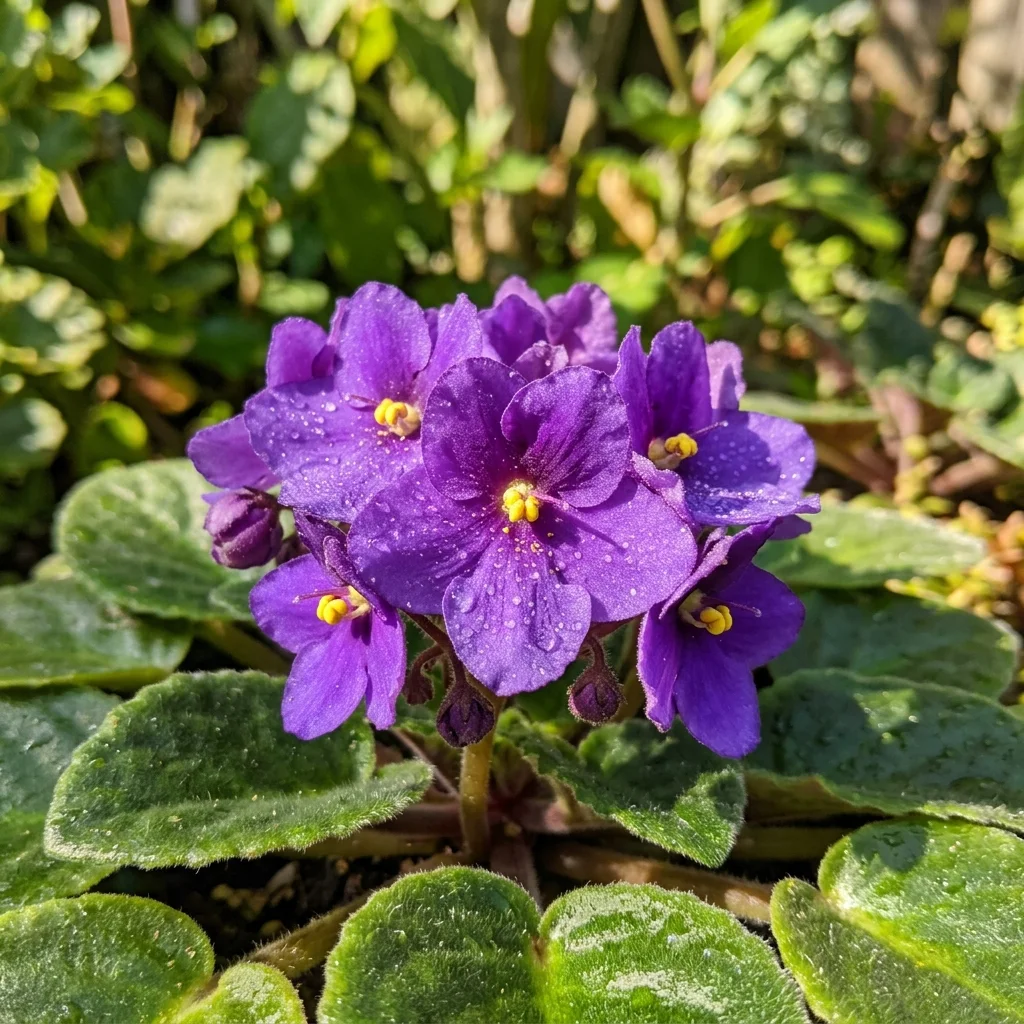
How to Identify African Violet
African Violet (Streptocarpus sect. Saintpaulia) is a remarkable botanical species widely appreciated for its unique aesthetic and structural appeal. Recognizing its definitive visual traits is key to distinguishing it from other similar plants.
-
✔
Key Visual Features: Exhibits characteristic growth habits, custom foliage morphology, and plant structure typical of indoor species.
-
✔
Color Variations: Vibrant color variations primarily seen in cultivated or natural wild forms of African Violet.
-
✔
Common Confusions: Can sometimes be confused with other low-growing or related indoor plants, but can be quickly identified by its distinct leaf texture and bloom patterns.
Complete Care & Cultivation Guide
Follow our detailed scientific care guide to keep your African Violet thriving and gorgeous all year round.
Common Diseases & Treatment
Crown Rot (Phytophthora)
Symptoms: The center of the plant rots, turns mushy brown, and leaves turn soft and detach easily.
Leaf Ring Spot
Symptoms: Bleached, white-yellow ring spots appear on fuzzy leaves due to cold water contact.
Frequently Asked Questions
How do I water my African Violet properly?
Always water from the bottom. Submerge the pot in tepid water for 15 minutes, allowing soil to wick moisture up, then let it drain fully. Never splash cold tap water on the leaves.
Why is my African Violet not blooming?
The primary reason is inadequate light. Ensure it receives bright, indirect light, or use an LED grow light for 12 hours a day. Feed weekly with high-phosphorus African violet food.
Can I grow new plants from a single leaf?
Yes! African Violets propagate easily from leaf cuttings. Snip a healthy leaf with a 1-inch stem, insert it at a 45-degree angle into moist potting soil, and keep it warm and humid.
Is African Violet safe for dogs and cats?
Toxicity and pet safety status: Non-toxic to cats and dogs (Extremely safe and pet-friendly indoor bloom). Keep out of pets' reach if it is toxic.