Anthurium Care & Identification Guide
With its iconic, heart-shaped waxy spathes and lush, dark green foliage, Anthurium brings a bold tropical elegance indoors. Known as the flamingo flower, this popular indoor plant is highly resilient and blooms continuously throughout the year under proper indirect light. It is widely celebrated by botanists for its distinct environmental adaptability and structural appeal.





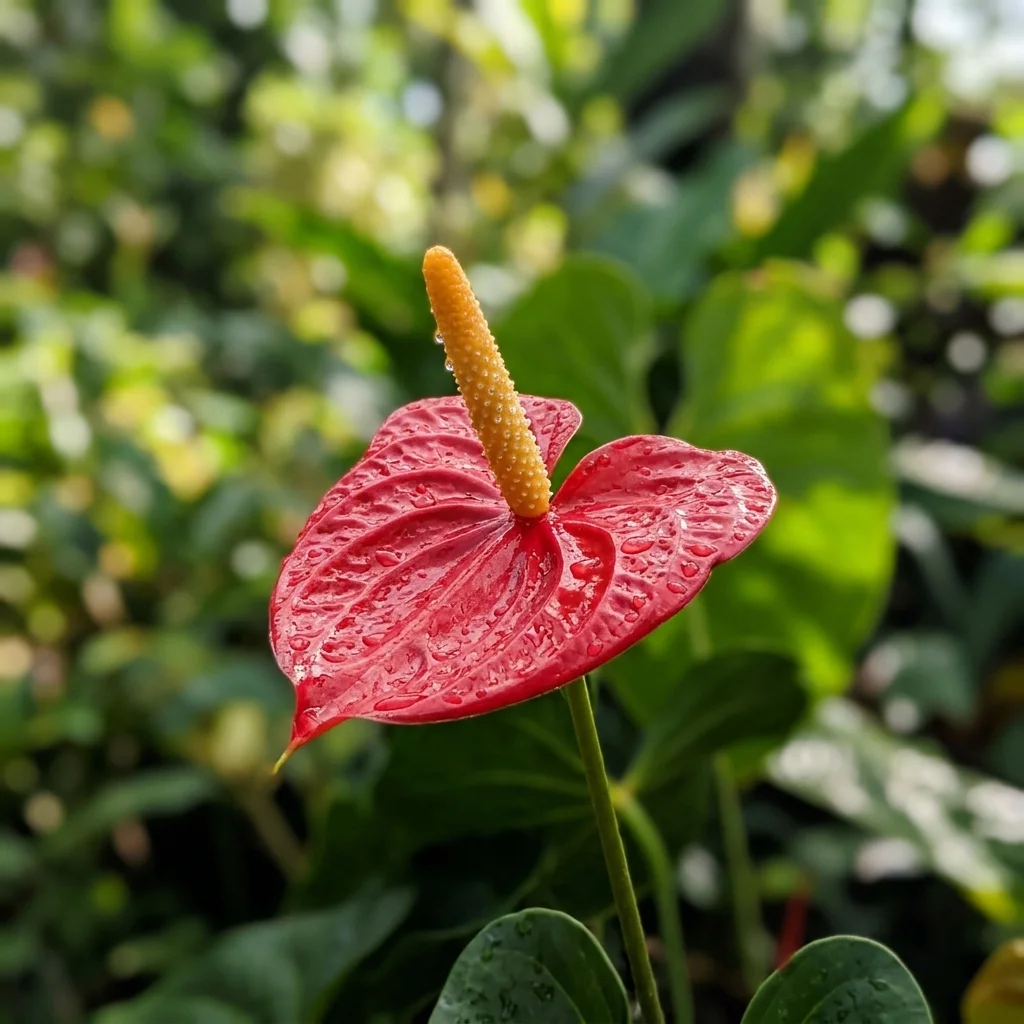
How to Identify Anthurium
Anthurium (Anthurium andraeanum) is a remarkable botanical species widely appreciated for its unique aesthetic and structural appeal. Recognizing its definitive visual traits is key to distinguishing it from other similar plants.
-
✔
Key Visual Features: Exhibits characteristic growth habits, custom foliage morphology, and plant structure typical of indoor species.
-
✔
Color Variations: Vibrant color variations primarily seen in cultivated or natural wild forms of Anthurium.
-
✔
Common Confusions: Can sometimes be confused with other low-growing or related indoor plants, but can be quickly identified by its distinct leaf texture and bloom patterns.
Complete Care & Cultivation Guide
Follow our detailed scientific care guide to keep your Anthurium thriving and gorgeous all year round.
Common Diseases & Treatment
Bacterial Blight
Symptoms: Yellow water-soaked spots on leaf margins that turn dark brown; stems rot and emit a foul odor.
Root Rot
Symptoms: Leaves turn pale yellow and wilt; root system turns mushy, black, and decay.
Frequently Asked Questions
Why are my Anthurium leaves turning yellow?
Yellow leaves are typically caused by overwatering, poor drainage, or cold drafts. Check the soil moisture; if the roots are waterlogged, reduce watering frequency and ensure the pot drains fully.
How do I encourage my Anthurium to bloom?
To stimulate blooming, provide plenty of bright, indirect sunlight and apply a high-phosphorus liquid fertilizer every 6-8 weeks during the growing season. Ensure the room humidity stays above 50%.
Why are the red spathes on my Anthurium turning green?
It is natural for old blooms to fade to green as they end their life cycle. However, if new flowers emerge green, it is usually a sign of insufficient light. Move your plant to a brighter location.
Is Anthurium safe for dogs and cats?
Toxicity and pet safety status: Toxic to dogs and cats (Contains calcium oxalate crystals, causing intense oral irritation and swelling). Keep out of pets' reach if it is toxic.