Begonia Care & Identification Guide
With thousands of species ranging from Rex Begonias to wax varieties, Begonias are coveted for their breathtaking, asymmetrical leaf patterns and delicate flowers. They thrive as indoor container specimens, demanding a careful balance of humidity and root aeration. It is widely celebrated by botanists for its distinct environmental adaptability and structural appeal.





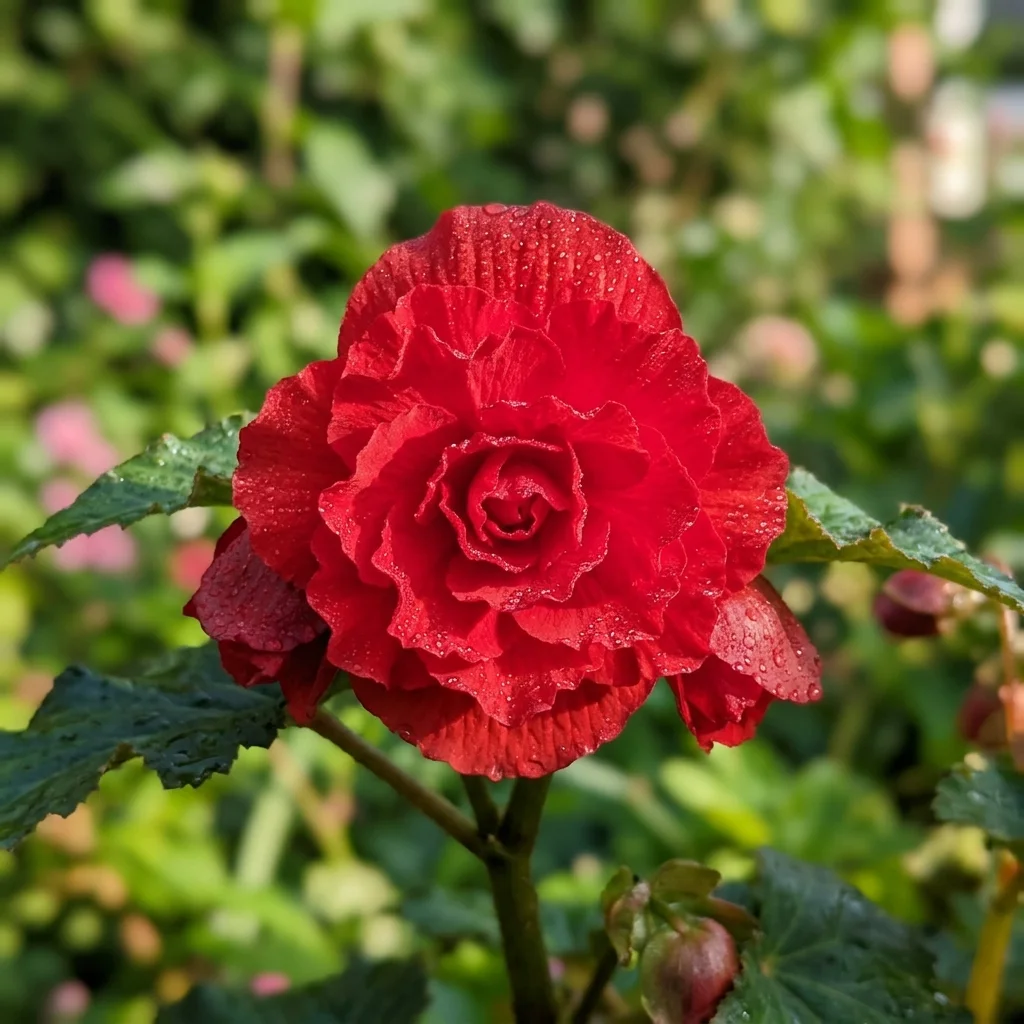
How to Identify Begonia
Begonia (Begonia) is a remarkable botanical species widely appreciated for its unique aesthetic and structural appeal. Recognizing its definitive visual traits is key to distinguishing it from other similar plants.
-
✔
Key Visual Features: Exhibits characteristic growth habits, custom foliage morphology, and plant structure typical of indoor species.
-
✔
Color Variations: Vibrant color variations primarily seen in cultivated or natural wild forms of Begonia.
-
✔
Common Confusions: Can sometimes be confused with other low-growing or related indoor plants, but can be quickly identified by its distinct leaf texture and bloom patterns.
Complete Care & Cultivation Guide
Follow our detailed scientific care guide to keep your Begonia thriving and gorgeous all year round.
Common Diseases & Treatment
Powdery Mildew
Symptoms: Fuzzy white, flour-like fungal coating covering the leaf surfaces, causing leaves to curl and drop.
Stem Rot (Pythium)
Symptoms: Stems turn water-soaked, black, and collapse at the soil level; leaves drop rapidly.
Frequently Asked Questions
Why is my Begonia dropping its leaves?
Begonias shed leaves due to sudden environmental changes, such as cold drafts, low humidity, or soil waterlogging. Keep the environment stable and check that the pot isn't sitting in stagnant water.
How do I propagate Begonias?
Begonias are incredibly easy to propagate from leaf or stem cuttings. Cut a healthy leaf, make tiny slits in the veins, pin it flat on moist soil, or place a stem cutting in water until roots form.
Do Begonias go dormant in winter?
Tuberous Begonias go dormant in late autumn, turning yellow and shedding all growth. Reduce watering drastically, store the tubers in a cool, dry place, and replant in spring.
Is Begonia safe for dogs and cats?
Toxicity and pet safety status: Toxic to pets (Soluble calcium oxalates are highly concentrated in the root system). Keep out of pets' reach if it is toxic.