Carnation Care & Identification Guide
Famous for their ruffled, paper-like petals and sweet, clove-like aroma, carnations have been cultivated for over 2,000 years. Their durability and exceptionally long vase life make them a staple of the global flower industry. It is widely celebrated by botanists for its distinct environmental adaptability and structural appeal.





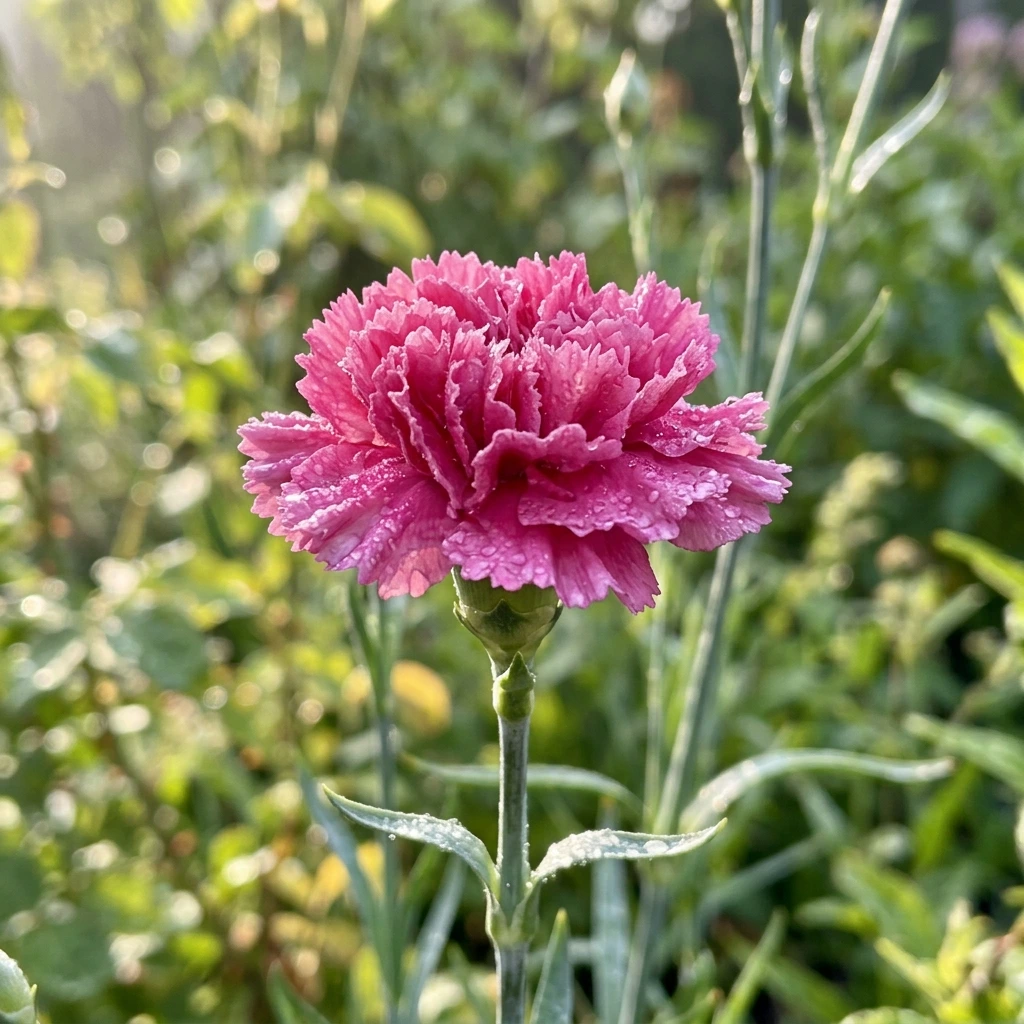
How to Identify Carnation
Carnation (Dianthus caryophyllus) is a remarkable botanical species widely appreciated for its unique aesthetic and structural appeal. Recognizing its definitive visual traits is key to distinguishing it from other similar plants.
-
✔
Key Visual Features: Exhibits characteristic growth habits, custom foliage morphology, and plant structure typical of classic species.
-
✔
Color Variations: Vibrant color variations primarily seen in cultivated or natural wild forms of Carnation.
-
✔
Common Confusions: Can sometimes be confused with other low-growing or related classic plants, but can be quickly identified by its distinct leaf texture and bloom patterns.
Complete Care & Cultivation Guide
Follow our detailed scientific care guide to keep your Carnation thriving and gorgeous all year round.
Common Diseases & Treatment
Fusarium Wilt
Symptoms: Leaves turn dull gray-green, wilt, and die, often starting on one side of the plant; stems rot internally.
Rust (Uromyces)
Symptoms: Small, powdery reddish-brown pustules on both sides of the leaves and stems, reducing vigor.
Frequently Asked Questions
How long do cut carnations last in a vase?
Carnations are legendary for their longevity, often lasting 14 to 21 days in a clean vase with water and floral preservative.
What does a yellow carnation represent?
Historically, while pink carnations symbolize gratitude and red represents deep love, yellow carnations carry the meaning of rejection or disappointment.
How do I get bushier carnation plants?
Pinch back the growing tips in early spring when the plant is about 6 inches tall. This encourages branching and results in more flowers.
Is Carnation safe for dogs and cats?
Toxicity and pet safety status: Toxic to dogs and cats (contains mild irritants that cause digestive issues). Keep out of pets' reach if it is toxic.