Daisy Care & Identification Guide
A cheerful classic, daisies feature clean white rays surrounding a sunny yellow center. Highly adaptable and easy to grow, they represent simplicity, innocence, and the bright days of summer. It is widely celebrated by botanists for its distinct environmental adaptability and structural appeal.





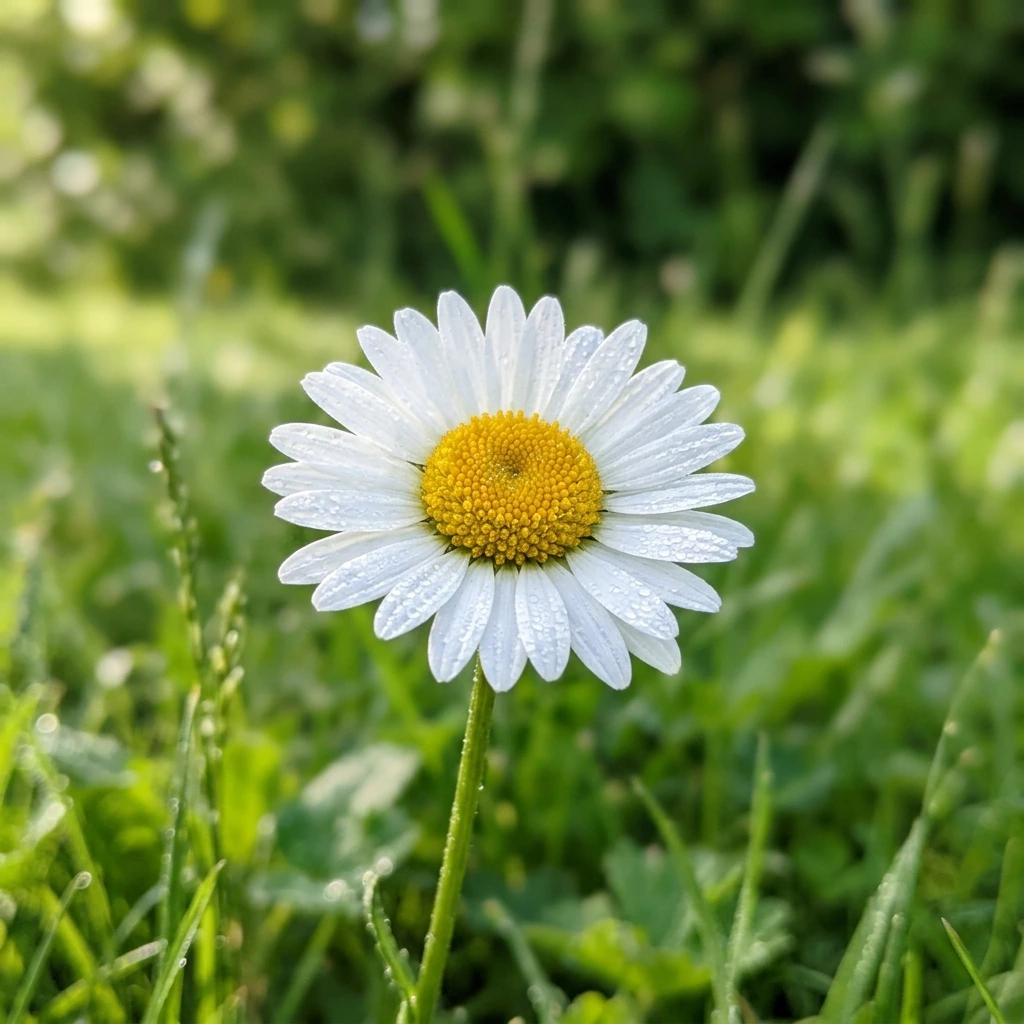
How to Identify Daisy
Daisy (Bellis perennis) is a remarkable botanical species widely appreciated for its unique aesthetic and structural appeal. Recognizing its definitive visual traits is key to distinguishing it from other similar plants.
-
✔
Key Visual Features: Exhibits characteristic growth habits, custom foliage morphology, and plant structure typical of sunny species.
-
✔
Color Variations: Vibrant color variations primarily seen in cultivated or natural wild forms of Daisy.
-
✔
Common Confusions: Can sometimes be confused with other low-growing or related sunny plants, but can be quickly identified by its distinct leaf texture and bloom patterns.
Complete Care & Cultivation Guide
Follow our detailed scientific care guide to keep your Daisy thriving and gorgeous all year round.
Common Diseases & Treatment
Pythium Root Rot
Symptoms: Stunted growth, yellowing leaves, and decay of the lower stem and roots.
Leaf Spotting
Symptoms: Small circular brown spots on the foliage that gradually merge, causing leaf drop.
Frequently Asked Questions
Should I deadhead my daisies?
Yes! Regularly pinching off faded and dead flower heads (deadheading) encourages the plant to produce a continuous supply of fresh blooms throughout summer.
Are daisies invasive?
Some wild daisy species spread rapidly by runners and seeds. Plant them in containers or use root barriers if you want to keep them contained in the garden.
How do I overwinter daisies?
Daisies are quite hardy. Cut the stems back to 2-3 inches above the soil line after the first autumn frost and apply a layer of straw mulch.
Is Daisy safe for dogs and cats?
Toxicity and pet safety status: Toxic to dogs and cats (contains saponins and essential oils that cause irritation). Keep out of pets' reach if it is toxic.