Hibiscus Care & Identification Guide
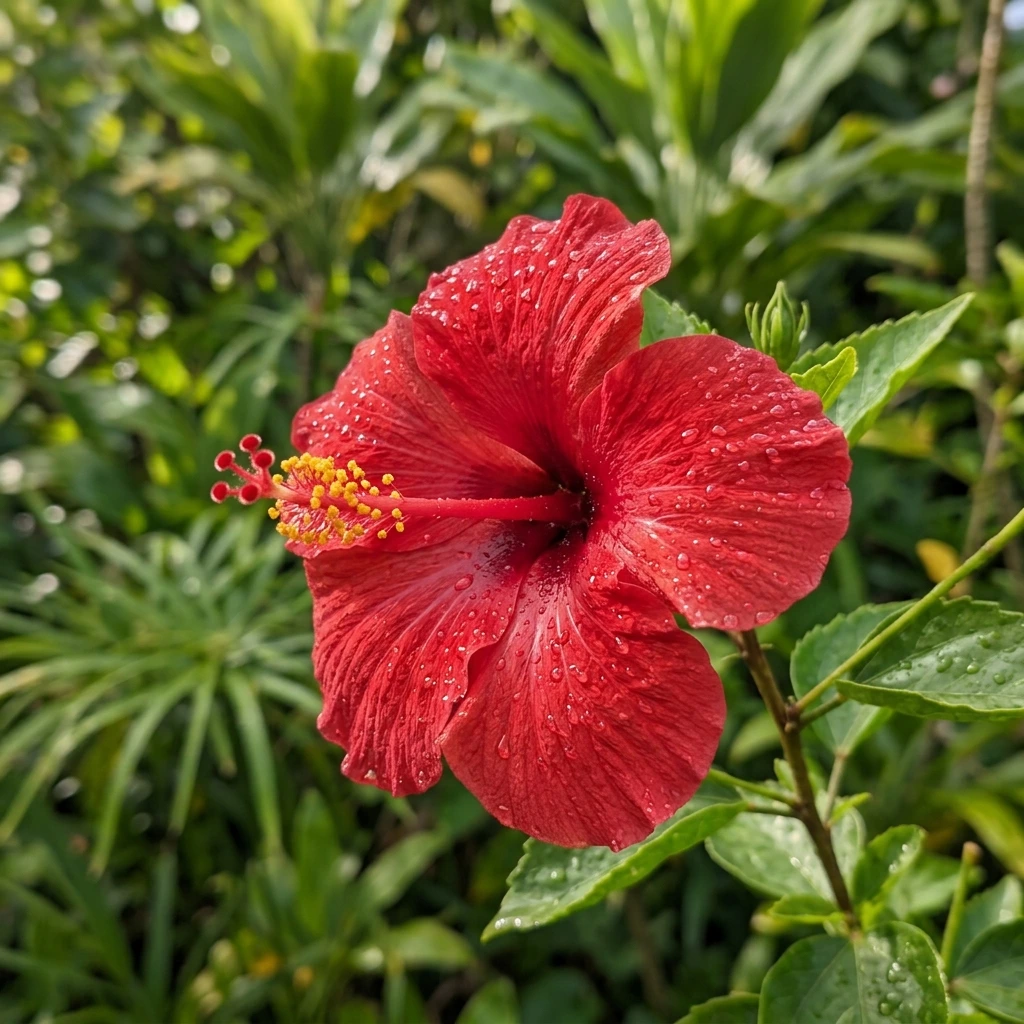
With its massive, satiny blossoms and prominent center pollen columns, Hibiscus is the ultimate emblem of tropical paradise. Known as the tropical hibiscus, each magnificent bloom lasts for just one day, but a healthy plant produces fresh flowers continuously all summer. It is widely celebrated by botanists for its distinct environmental adaptability and structural appeal.




How to Identify Hibiscus
Hibiscus (Hibiscus rosa-sinensis) is a remarkable botanical species widely appreciated for its unique aesthetic and structural appeal. Recognizing its definitive visual traits is key to distinguishing it from other similar plants.
-
✔
Key Visual Features: Exhibits characteristic growth habits, custom foliage morphology, and plant structure typical of exotic species.
-
✔
Color Variations: Vibrant color variations primarily seen in cultivated or natural wild forms of Hibiscus.
-
✔
Common Confusions: Can sometimes be confused with other low-growing or related exotic plants, but can be quickly identified by its distinct leaf texture and bloom patterns.
Complete Care & Cultivation Guide
Follow our detailed scientific care guide to keep your Hibiscus thriving and gorgeous all year round.
Common Diseases & Treatment
Iron Chlorosis
Symptoms: Leaves turn pale yellow while the veins remain dark green, indicating the plant is unable to absorb iron.
Bud Drop
Symptoms: Unopened flower buds turn yellow and fall off the plant before blooming.
Frequently Asked Questions
Why does each Hibiscus bloom only last for one day?
This is a genetic trait of tropical hibiscus. Each satiny flower naturally lasts for 24 hours. However, a thriving plant produces a continuous sequence of new buds, ensuring a daily display of flowers.
How often should I fertilize my Hibiscus?
Hibiscus are heavy feeders and require a unique formula. They love high potassium and low phosphorus (heavy phosphorus blocks iron uptake, causing yellowing). Feed weekly with a high-potassium tropical plant food.
Why are my Hibiscus leaves turning completely yellow and dropping?
The most common causes are underwatering during hot weather, poor drainage, or sudden temperature shocks. Make sure you water deeply when the topsoil feels dry and avoid letting the pot sit in water.
Is Hibiscus safe for dogs and cats?
Toxicity and pet safety status: Non-toxic to cats and dogs (The common Hibiscus rosa-sinensis species is highly pet-friendly). Keep out of pets' reach if it is toxic.