Hydrangea Care & Identification Guide
Famous for their massive, cloud-like flower heads, hydrangeas are the stars of summer gardens. The color of many varieties can be altered from pink to blue simply by adjusting the acidity of the surrounding soil. It is widely celebrated by botanists for its distinct environmental adaptability and structural appeal.





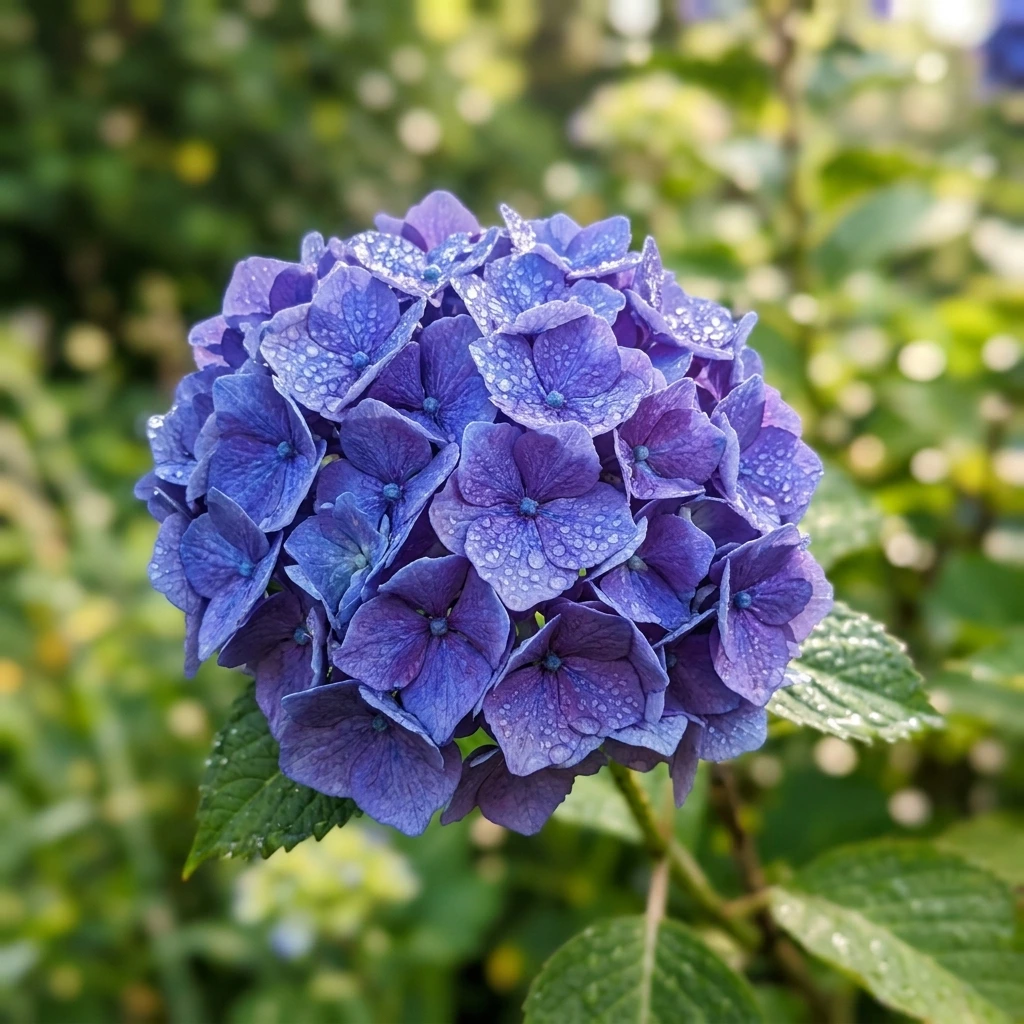
How to Identify Hydrangea
Hydrangea (Hydrangea macrophylla) is a remarkable botanical species widely appreciated for its unique aesthetic and structural appeal. Recognizing its definitive visual traits is key to distinguishing it from other similar plants.
-
✔
Key Visual Features: Exhibits characteristic growth habits, custom foliage morphology, and plant structure typical of classic species.
-
✔
Color Variations: Vibrant color variations primarily seen in cultivated or natural wild forms of Hydrangea.
-
✔
Common Confusions: Can sometimes be confused with other low-growing or related classic plants, but can be quickly identified by its distinct leaf texture and bloom patterns.
Complete Care & Cultivation Guide
Follow our detailed scientific care guide to keep your Hydrangea thriving and gorgeous all year round.
Common Diseases & Treatment
Leaf Spot Fungi
Symptoms: Circular brown or purple spots scattered on the lower leaves, eventually spreading upwards.
Gray Mold (Botrytis)
Symptoms: Buds rot before opening, and flower petals develop fuzzy gray patches in wet weather.
Frequently Asked Questions
How can I turn my hydrangeas blue?
For Bigleaf hydrangeas, blue flowers require acidic soil (pH below 5.5) and available aluminum. Add organic sulfur or aluminum sulfate to the soil to lower the pH.
When should I prune my hydrangeas?
It depends on the variety. Those blooming on 'old wood' (like macrophylla) should be pruned immediately after summer flowering. Those on 'new wood' can be pruned in late winter.
Why are my hydrangeas drooping?
Hydrangeas have large leaves that transpire water rapidly. They droop easily in the hot afternoon sun. Water them deeply at the base to revive them.
Is Hydrangea safe for dogs and cats?
Toxicity and pet safety status: Toxic to dogs and cats (contains cyanogenic glycosides in leaves and buds). Keep out of pets' reach if it is toxic.