Lavandula

Lavender Care & Identification Guide

Lavender (Lavandula) is a highly cherished aromatic, semi-woody perennial shrub celebrated worldwide for its soothing fragrance, therapeutic oils, and gorgeous spikes of purple flowers. Native to the dry, rocky soils of the Mediterranean basin, Lavender is exceptionally drought-tolerant and thrives in hot, sunny environments. Extremely popular in herb gardens, gravel paths, and cottage borders, it attracts a abundance of beneficial pollinators like bees and butterflies, while naturally repelling unwanted pests with its fragrant essential oils.


Sunlight Icon
Sunlight Full Sun
Watering Icon
Watering Very Low
Soil Mix Icon
Soil Mix Poor, sandy
Temperature Icon
Temperature 18°C - 30°C
Toxicity Warning Icon
Toxicity Toxic to Pets
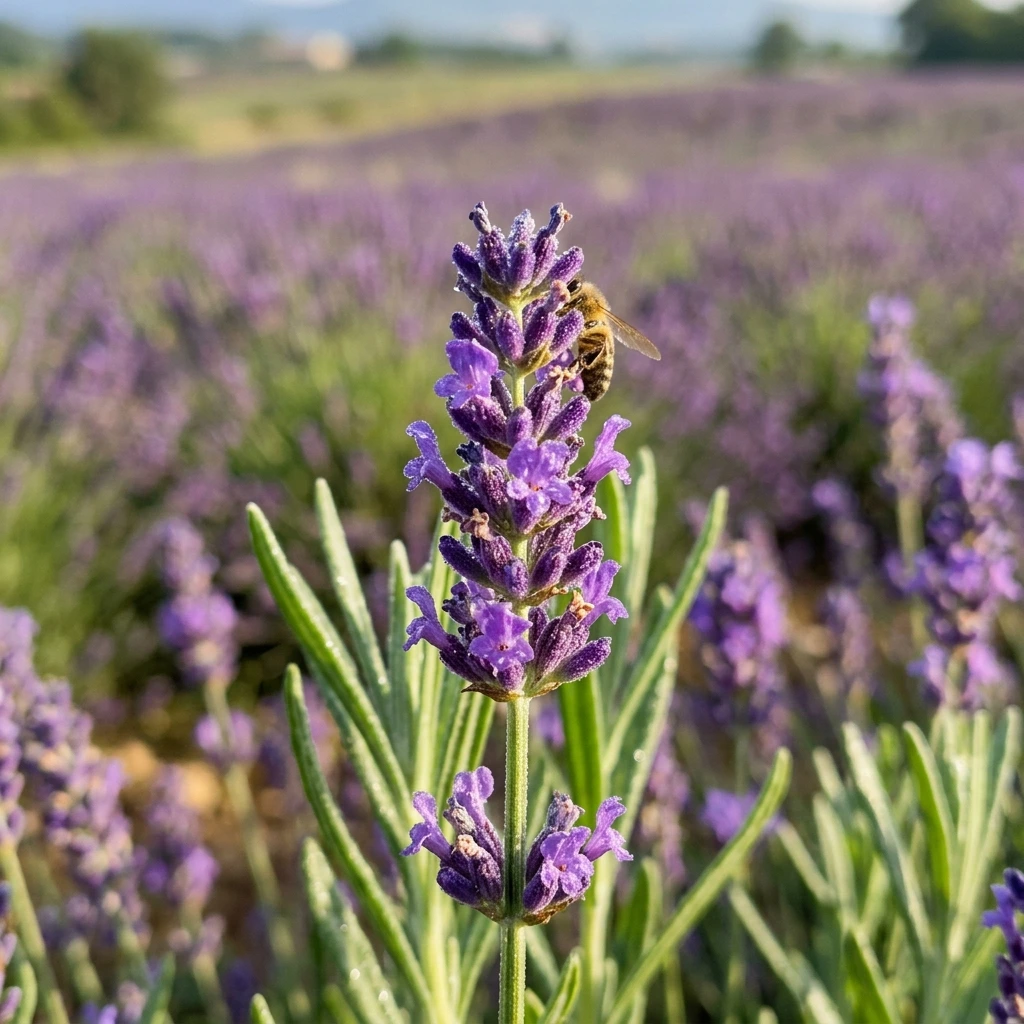
Botanical macro photography of Lavender (Lavandula) - Plant AI care database

How to Identify Lavender

Lavender (Lavandula) is a remarkable botanical species widely appreciated for its unique aesthetic and structural appeal. Recognizing its definitive visual traits is key to distinguishing it from other similar plants.

  • Key Visual Features: Exhibits characteristic growth habits, custom foliage morphology, and plant structure typical of sunny species.
  • Color Variations: Vibrant color variations primarily seen in cultivated or natural wild forms of Lavender.
  • Common Confusions: Can sometimes be confused with other low-growing or related sunny plants, but can be quickly identified by its distinct leaf texture and bloom patterns.
💡 Plant AI Tip: If you are not sure, take a photo with Plant AI to identify it instantly.

Complete Care & Cultivation Guide

Follow our detailed scientific care guide to keep your Lavender thriving and gorgeous all year round.

Lavender requires very little water and is extremely susceptible to root rot if overwatered. Water newly planted Lavender once a week to help establish roots. Once fully established, Lavender only needs watering every 2 weeks during hot, dry summer months, and zero watering during autumn and winter. Always check that the soil is 100% bone-dry throughout the pot or root zone before applying water. When in doubt, leave it dry.
Prune Lavender annually to prevent the plant from becoming woody, leggy, and sprawling. The best time to prune is in late summer immediately after flowering has finished. Cut back the soft green leafy stems by one-third, shaping the shrub into a tight, rounded mound. Never cut back into the old, gray, leafless woody base of the plant, as old wood lacks active buds and will fail to grow back.
Lavender thrives in poor, low-nutrient soils and does not require synthetic fertilizers. In fact, over-fertilizing Lavender with nitrogen-rich feed will stimulate soft, weak green growth that lacks fragrance, and dramatically reduces blooming. Apply only a thin 1-inch layer of organic compost or a handful of bone meal around the base of the plant once in early spring as new growth starts.
Lavender requires a minimum of 6 to 8 hours of intense, direct, unfiltered sunlight daily. Full, strong sun is absolutely essential for the plant to produce its signature aromatic essential oils and abundant purple flower spikes. Keeping Lavender in a shaded or semi-shaded spot will lead to weak, floppy stems, sparse blooms, and rapid susceptibility to dampness-related diseases.
Lavender requires extremely porous, lean, sandy, or gravelly soil with a neutral to alkaline pH of 6.7 to 7.5. To create the perfect Lavender mix, combine 40% clean coarse sand or pea gravel, 30% general loam, 20% perlite, and 10% agricultural lime to boost alkalinity. Avoid peat moss or rich clay soils, which retain far too much moisture and cause root suffocation.
Propagate Lavender easily using softwood cuttings in late spring or semi-hardwood cuttings in summer. Cut a healthy, non-flowering stem about 4 inches long, stripping all leaves from the lower half. Dip the stripped base in rooting hormone powder, and insert it into a well-draining moist propagation mix of half sand and half perlite. Keep in a warm, bright spot out of direct sun until rooted in 4 to 6 weeks.
Lavender loves hot, dry summer climates and tolerates temperatures up to 35°C (95°F) with ease. English Lavender (Lavandula angustifolia) is highly winter-hardy down to -15°C (5°F) if the soil remains completely dry. French and Spanish Lavender varieties are delicate and must be overwintered indoors if winter temperatures in your area drop below 0°C (32°F).
Choose a terracotta or unglazed clay container that is 1 to 2 inches larger than the root ball. Terracotta is highly breathable, allowing moisture to evaporate through the pot walls. Ensure the pot has a large bottom drainage hole, and layer 1 inch of clean gravel or pebbles at the bottom of the pot to prevent drainage clogging. Repot container Lavender once a year in early spring.
Lavender is highly resistant to pests due to the high concentration of fragrant camphor and essential oils in its foliage. However, in poorly ventilated, damp environments, it can occasionally attract spittlebugs (which leave frothy foam on stems) and whiteflies. Treat these pests easily by spraying the plant with a firm stream of clean water or applying insecticidal soap.
The absolute deadliest disease for Lavender is root rot caused by Phytophthora fungi in soggy, waterlogged soil. Infected plants will turn yellow, wilt, and collapse rapidly. There is no cure once rot takes hold of the woody root system. Prevent this entirely by maintaining perfect drainage, watering very sparingly, and avoiding overhead foliage wetting.
Never use wood bark mulch around the base of your Lavender plants, as bark retains moisture and promotes crown rot. Instead, use clean white pea gravel or crushed oyster shells as mulch. White gravel reflects light and heat back up into the lower foliage, keeping the leaves dry, promoting air movement, and beautifully mimicking the plant's native rocky Mediterranean home.

Is your Lavender foliage turning brown or dropping?

Don't let it wither away. Take a photo with Plant AI to diagnose pests and leaf spots instantly.

Diagnose My Plant

Common Diseases & Treatment

Root Rot (Phytophthora)

Symptoms: Foliage turns dull gray or yellow, stems wilt, and the root system turns mushy and brown.

Action: Reduce watering immediately. Dig up the plant and replant in gravel-rich, fast-draining soil. Severely rotted plants must be discarded.

Alfalfa Mosaic Virus

Symptoms: Bright yellow patches or mottling appear on the green leaves, accompanied by twisted growth.

Action: There is no cure for viral infections. Remove and destroy the infected plant to prevent the virus from spreading via garden tools.

Frequently Asked Questions

How do I keep my lavender from getting woody?

Prune lavender annually. Cut the green stems back by about one-third in late summer after flowering, but never cut back into the bare, woody base.

Does lavender need fertilizer?

No, lavender prefers low-nutrient soil. Heavy fertilization will result in leggy, weak growth and reduce the intensity of its fragrance.

Why is my lavender turning gray and wilting?

This is almost always a sign of overwatering or poor soil drainage, leading to root rot. Lavender roots must remain dry and aerated.

Is Lavender safe for dogs and cats?

Toxicity and pet safety status: Toxic to dogs and cats in large quantities (contains linalool which causes stomach upset). Keep out of pets' reach if it is toxic.

No more dying plants. Grow healthy greens today!

Get Started for Free