Lobelia Care & Identification Guide
A vibrant and dense cool-season trailing favorite, Lobelia is celebrated for its tumbling cascades of tiny, electric blue, violet, or pure white flowers that cover its foliage like a blanket of stars. Thriving in hanging baskets and window boxes, this eye-catching beauty brings a cool, dramatic color pop to shaded patios and spring borders, but its delicate appearance hides a potent alkaloid toxicity that requires pet-safe isolation. It is widely celebrated by botanists for its distinct environmental adaptability and structural appeal.





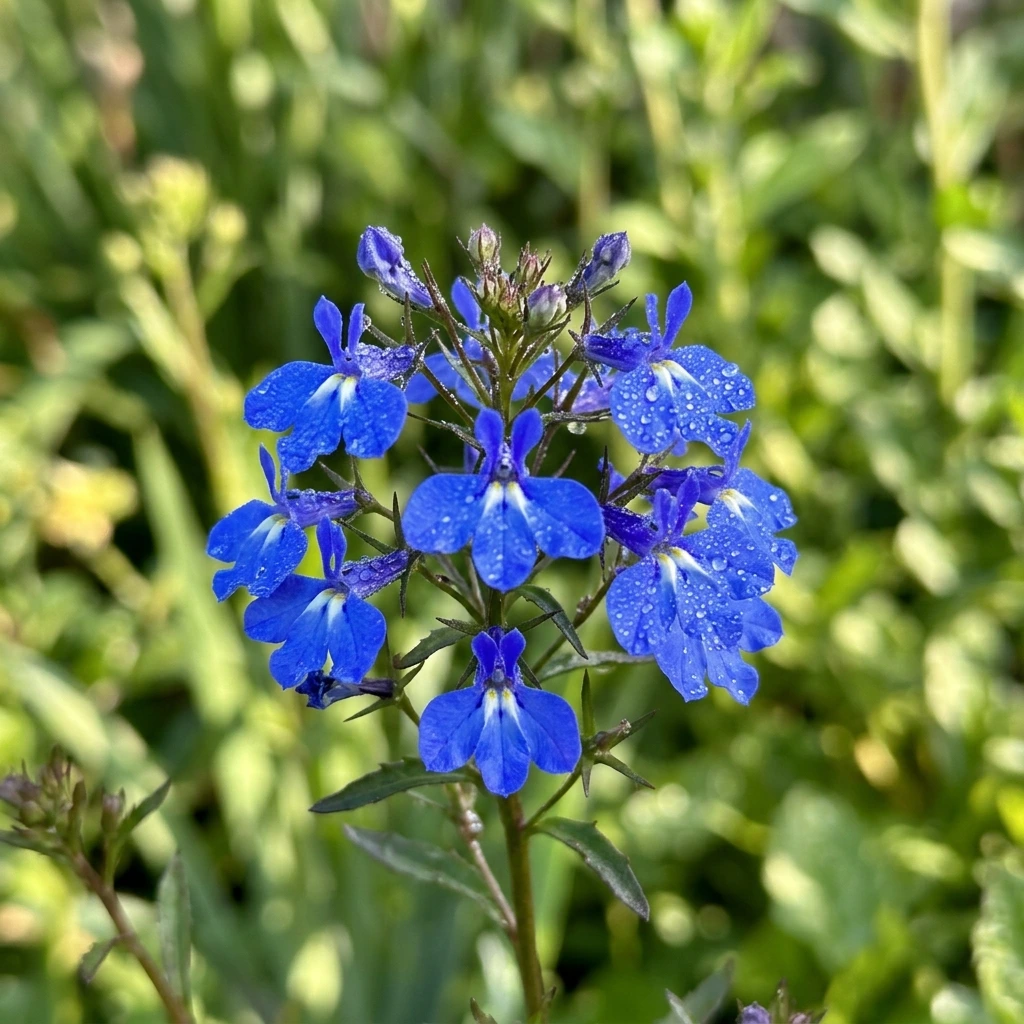
How to Identify Lobelia
A low-growing, mound-forming or trailing herbaceous perennial featuring thin, highly branched stems covered in a profusion of tiny, fan-shaped asymmetrical blossoms.
-
✔
Key Visual Features: Narrow, lance-shaped leaves with slightly toothed margins; highly clustered, 2-lipped asymmetrical flowers with 3 broad lower lobes and 2 narrow upper lobes.
-
✔
Color Variations: Breathtaking electric true-blue, royal violet, magenta-pink, soft lavender, and pure snowy white, often with a highly contrasting white or yellow central eye.
-
✔
Common Confusions: Can be confused with Alyssum or Campanula, but Lobelia is easily identified by its unique asymmetrical, 2-lipped fan-shaped flowers (Alyssum has symmetrical 4-petaled blooms) and intense, cobalt-blue color hues.
Complete Care & Cultivation Guide
Follow our detailed scientific care guide to keep your Lobelia thriving and gorgeous all year round.
Common Diseases & Treatment
Damping-Off (Fungal)
Symptoms: Sudden collapse and rotting of tender stems at the soil level, especially in overcrowded seedlings.
Rust (Puccinia)
Symptoms: Bright orange or powdery brown pustules forming on the undersides of the leaves, causing them to curl, yellow, and wither.
Frequently Asked Questions
Is Lobelia toxic to pets?
Yes, Lobelia is highly toxic to cats and dogs. It contains an alkaloid called lobeline, which is highly concentrated in its stems and leaves. If ingested, it can cause severe drooling, vomiting, diarrhea, slow heart rate, and dangerous respiratory depression. Keep the plant in high hanging baskets out of reach of pets.
Why is my Lobelia suddenly dying out in mid-summer?
It is scorched by the heat! Lobelia is a cool-season annual or short-lived perennial that cannot tolerate temperatures above 27°C (80°F). During hot summer spells, it will naturally stop blooming and its stems will turn brown and dry. Snip the plant back by half, move it to a shaded, cool spot, and keep it moist; it will often flush back and bloom again when autumn cools down.
Can I grow Lobelia in hanging baskets?
Yes, it is one of the absolute best trailing plants for hanging baskets! Its flexible, cascading stems naturally spill over the edges, creating a breathtaking 'waterfall' of intense color. Just ensure you water it daily during dry, warm weather, as hanging baskets dry out exceptionally fast.
Does Lobelia attract butterflies or hummingbirds?
Yes! The bright, tubular blossoms of Lobelia are highly attractive to native bees, butterflies, and hummingbirds. Planting them in your garden is an outstanding way to promote local pollination and bring lively, ecological motion to your backyard.