Orchid Care & Identification Guide
The Orchid (Orchidaceae) is one of the most exotic, diverse, and highly sophisticated families of flowering plants in the world. Characterized by their unique symmetrical blooms, vivid color patterns, and specialized aerial roots, they have captured the fascination of botanists and collectors for centuries. Unlike terrestrial plants, most popular indoor orchids (like Phalaenopsis) are epiphytes, meaning they grow anchored to trees in tropical rainforests, absorbing moisture and nutrients directly from the air and rain. Their exotic charm makes them a stunning statement piece for modern indoor spaces.





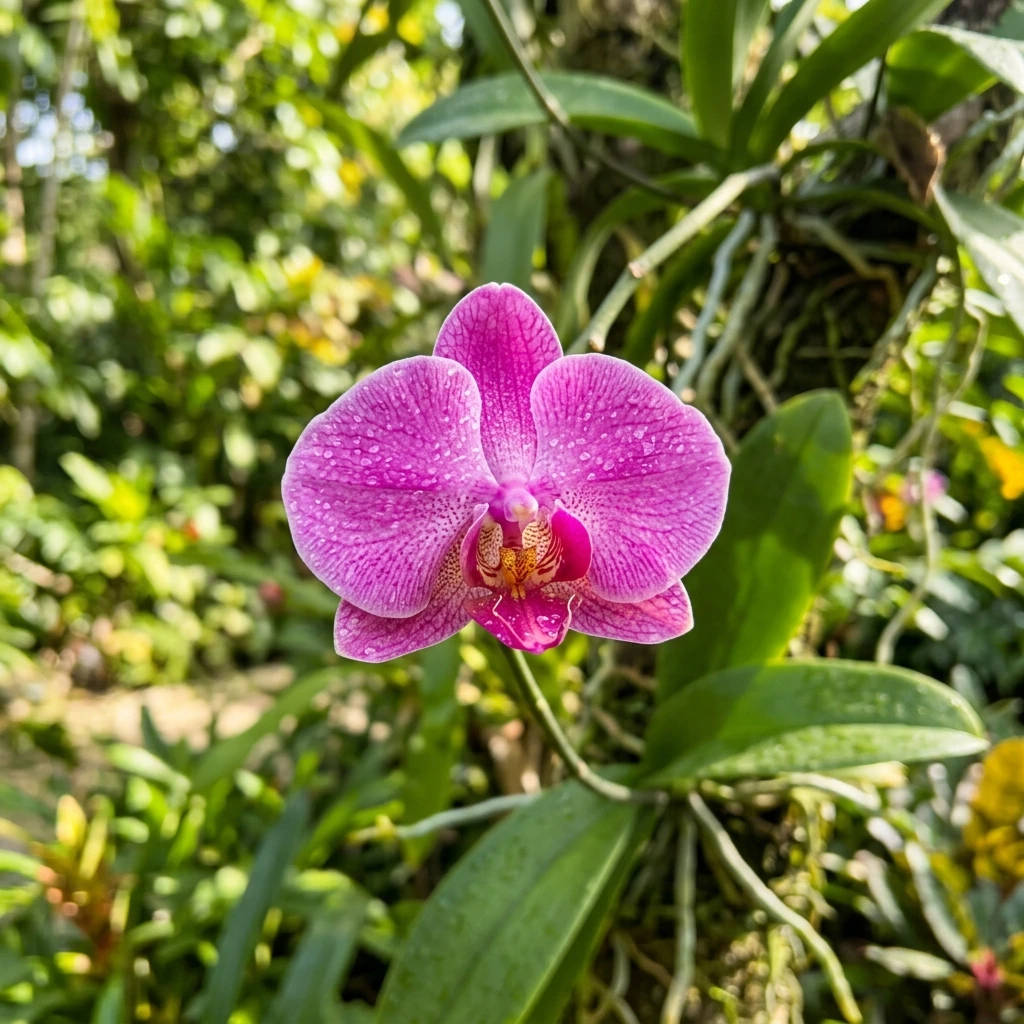
How to Identify Orchid
Orchid (Orchidaceae) is a remarkable botanical species widely appreciated for its unique aesthetic and structural appeal. Recognizing its definitive visual traits is key to distinguishing it from other similar plants.
-
✔
Key Visual Features: Exhibits characteristic growth habits, custom foliage morphology, and plant structure typical of indoor species.
-
✔
Color Variations: Vibrant color variations primarily seen in cultivated or natural wild forms of Orchid.
-
✔
Common Confusions: Can sometimes be confused with other low-growing or related indoor plants, but can be quickly identified by its distinct leaf texture and bloom patterns.
Complete Care & Cultivation Guide
Follow our detailed scientific care guide to keep your Orchid thriving and gorgeous all year round.
Common Diseases & Treatment
Root Rot
Symptoms: Black, mushy, soft roots; leaves turn wrinkled, limp, and leathery due to inability to absorb moisture.
Bacterial Brown Spot
Symptoms: Soft, water-soaked spots on leaves that rapidly turn brown or black, discharging fluid.
Frequently Asked Questions
How do I get my orchid to rebloom?
Once the blooms drop, cut the spike back to a node. Expose the orchid to slightly cooler night temperatures (15°C/59°F) in autumn to trigger a new flower spike.
Why are my orchid roots turning gray?
Healthy orchid roots are green when hydrated and turn silver-gray when dry. Gray roots are a signal that it is time to give the plant a thorough watering.
How do I water an orchid properly?
Submerge the inner grower pot in tepid water for 10-15 minutes, then let it drain completely. Never let water sit in the crown of the leaves.
Is Orchid safe for dogs and cats?
Toxicity and pet safety status: Non-toxic to cats and dogs (Phalaenopsis orchids are highly safe). Keep out of pets' reach if it is toxic.