Peace Lily Care & Identification Guide
Beloved for its elegant, sail-like white spathes and glossy, air-purifying foliage, the Peace Lily is a classic indoor favorite. Famous for its dramatic drooping reaction when thirsty, it serves as a helpful, self-watering indicator plant for beginners. It is widely celebrated by botanists for its distinct environmental adaptability and structural appeal.





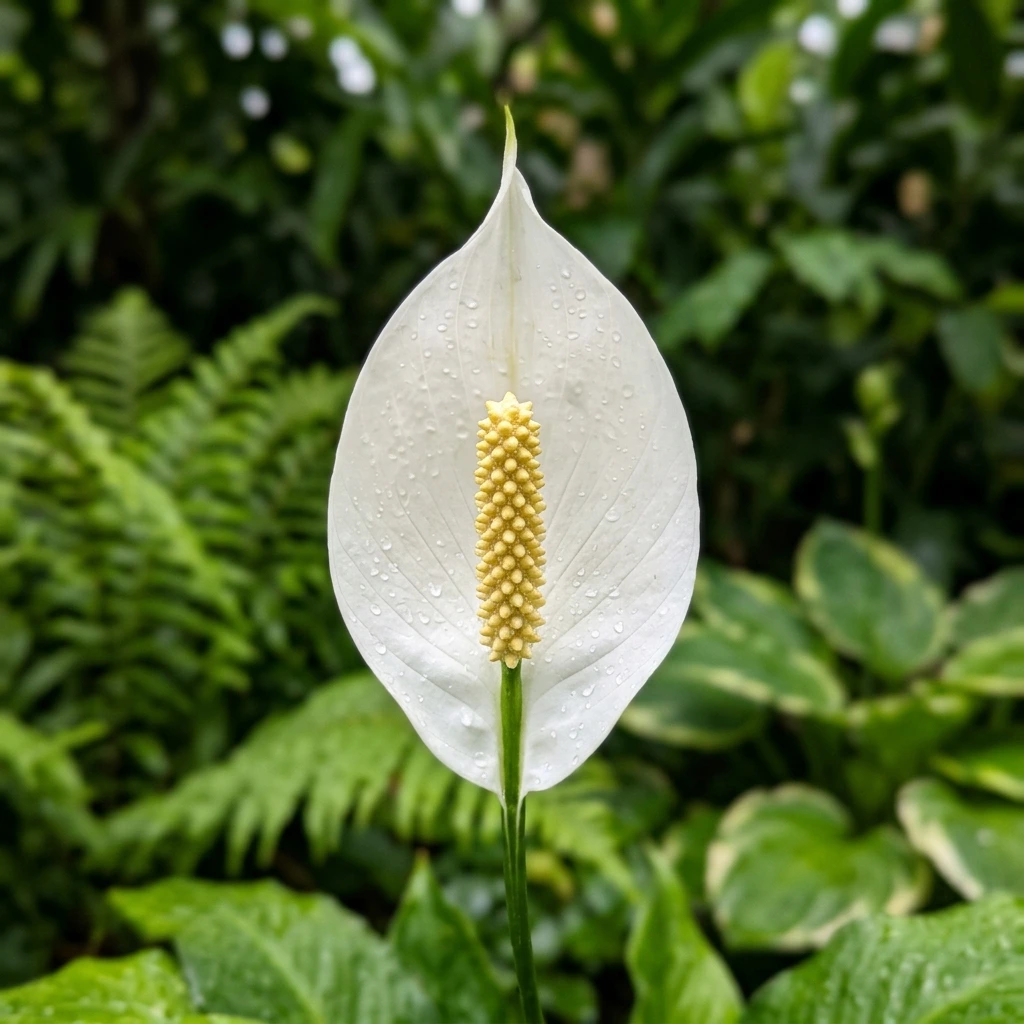
How to Identify Peace Lily
Peace Lily (Spathiphyllum) is a remarkable botanical species widely appreciated for its unique aesthetic and structural appeal. Recognizing its definitive visual traits is key to distinguishing it from other similar plants.
-
✔
Key Visual Features: Exhibits characteristic growth habits, custom foliage morphology, and plant structure typical of indoor species.
-
✔
Color Variations: Vibrant color variations primarily seen in cultivated or natural wild forms of Peace Lily.
-
✔
Common Confusions: Can sometimes be confused with other low-growing or related indoor plants, but can be quickly identified by its distinct leaf texture and bloom patterns.
Complete Care & Cultivation Guide
Follow our detailed scientific care guide to keep your Peace Lily thriving and gorgeous all year round.
Common Diseases & Treatment
Cylindrocladium Root Rot
Symptoms: Sudden wilting, severe yellowing of foliage, and mushy, rotting roots in warm, wet conditions.
Foliar Brown Tips
Symptoms: Tips and edges of the leaves turn dry, crispy, and brown due to fluoride or mineral buildup.
Frequently Asked Questions
Why does my Peace Lily droop so dramatically?
Peace Lilies are famous for 'playing dead' when they are dry. The stems collapse quickly when dehydrated. Water deeply immediately, and the plant will dramatically perk back up within a few hours.
How can I get my Peace Lily to produce more white blooms?
While peace lilies tolerate low light, they need bright, indirect light to trigger blooms. Apply a balanced houseplant fertilizer diluted to half strength once a month during spring and summer.
Why is my Peace Lily not blooming?
The main causes are too little light, immature age, or lack of nutrients. Place the plant closer to a bright window filtered by a sheer curtain and feed it occasionally.
Is Peace Lily safe for dogs and cats?
Toxicity and pet safety status: Toxic to cats and dogs (Contains calcium oxalate crystals, causing mild to moderate oral irritation). Keep out of pets' reach if it is toxic.