Peony Care & Identification Guide
Boasting incredibly lush, double blooms with a sweet, intoxicating scent, peonies are the royalty of late spring. These long-lived perennials can survive in the same spot for over 50 years if left undisturbed. It is widely celebrated by botanists for its distinct environmental adaptability and structural appeal.





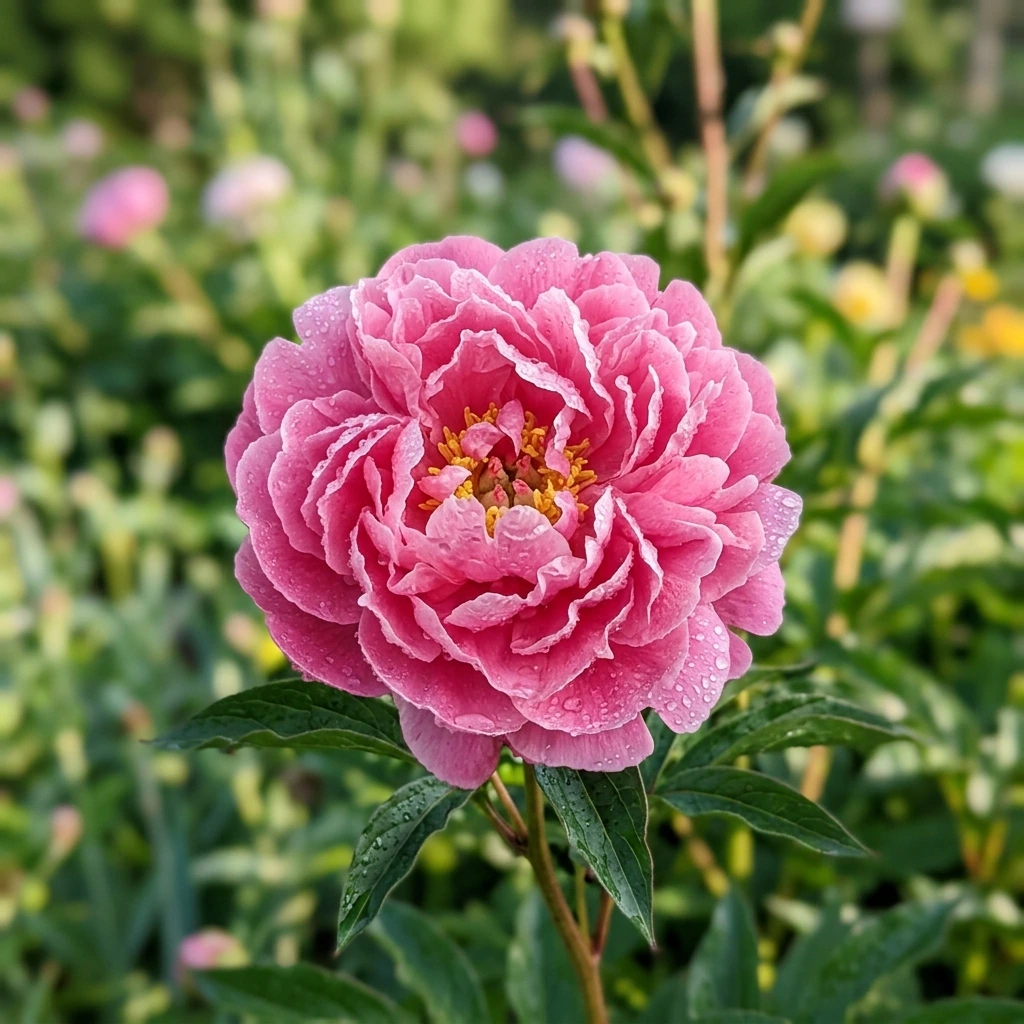
How to Identify Peony
Peony (Paeonia) is a remarkable botanical species widely appreciated for its unique aesthetic and structural appeal. Recognizing its definitive visual traits is key to distinguishing it from other similar plants.
-
✔
Key Visual Features: Exhibits characteristic growth habits, custom foliage morphology, and plant structure typical of classic species.
-
✔
Color Variations: Vibrant color variations primarily seen in cultivated or natural wild forms of Peony.
-
✔
Common Confusions: Can sometimes be confused with other low-growing or related classic plants, but can be quickly identified by its distinct leaf texture and bloom patterns.
Complete Care & Cultivation Guide
Follow our detailed scientific care guide to keep your Peony thriving and gorgeous all year round.
Common Diseases & Treatment
Botrytis Blight
Symptoms: Young shoots wilt and rot in spring; flower buds turn black and fail to open, covered in gray mold.
Powdery Mildew
Symptoms: White, flour-like fungal growth covering the leaf surfaces in late summer.
Frequently Asked Questions
Why aren't my peonies blooming?
The most common reason is planting the 'eyes' (buds on the root) too deeply. They should be covered by no more than 2 inches of soil. Other reasons include too much shade or young age.
Do ants damage peony buds?
No, ants are attracted to the sweet nectar secreted by the buds. They actually protect the peony from harmful pests and do not harm the flower. Leave them be!
Can I transplant peony plants?
Peonies hate being moved. If you must, transplant them in autumn when they are dormant, taking care to preserve the large root system.
Is Peony safe for dogs and cats?
Toxicity and pet safety status: Toxic to dogs and cats (contains paeonol, which causes gastrointestinal distress). Keep out of pets' reach if it is toxic.