Sweet Pea Care & Identification Guide
Cherished since the Victorian era for its intensely sweet, honey-jasmine fragrance, the Sweet Pea is a delicate climbing vine. Climbing by sensitive coiling tendrils, it demands cool spring weather and consistent picking to yield an endless supply of romantic, winged blossoms. It is widely celebrated by botanists for its distinct environmental adaptability and structural appeal.





How to Identify Sweet Pea
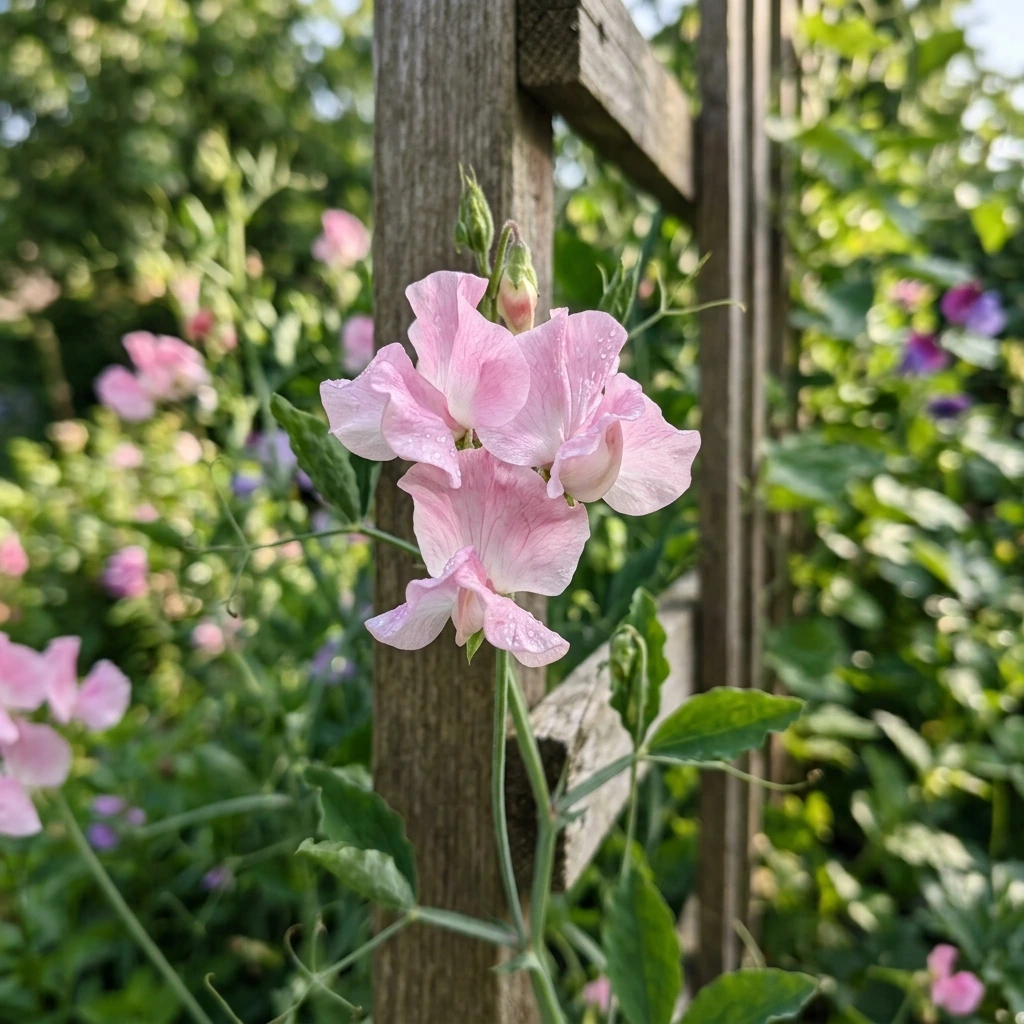
A delicate, climbing herbaceous annual vine climbing by leaf tendrils, famous for its intensely fragrant, winged, butterfly-like blossoms.
-
✔
Key Visual Features: Winged stems, pinnate leaves ending in a branched coiling tendril, and clusters of ruffled, butterfly-like winged flowers.
-
✔
Color Variations: Pastel shades including lavender-blue, magenta pink, peach, crimson red, soft cream, and pure white.
-
✔
Common Confusions: Often confused with edible garden peas (Pisum sativum) due to identical vine habit, but recognized by its deeply ruffled winged flowers, intensely sweet perfume, and complete lack of edible succulent pods.
Complete Care & Cultivation Guide
Follow our detailed scientific care guide to keep your Sweet Pea thriving and gorgeous all year round.
Common Diseases & Treatment
Powdery Mildew (Fungal)
Symptoms: White, dusty fungal coating covers leaves and climbing vines in late spring, causing early leaf drop.
Damping-Off
Symptoms: Seedlings rot and collapse at the soil level during cool, soggy spring germination stretches.
Frequently Asked Questions
Can I eat the pea pods of Sweet Pea plants?
Absolutely NOT! Despite their name, Sweet Peas are strictly ornamental and highly toxic. They must never be confused with edible garden peas. Eating their pods or seeds causes a serious disease called 'Lathyrism,' leading to muscle paralysis, skeletal issues, and central nervous damage.
Why are my Sweet Pea vines refusing to climb up the trellis?
Sweet Peas climb by wrapping tiny, highly sensitive wire-like tendrils around supports. They cannot grasp thick wooden stakes or walls. They require thin supports like bird netting, chicken wire, or garden twine (under 1/4 inch thick) to climb successfully.
How do I maximize the fragrance and bloom duration of my Sweet Peas?
Constant picking is key! The more sweet-scented bouquets you cut, the more the vine will bloom. If you leave spent flowers on the vine, they will quickly form seed pods, signaling the plant to shut down and stop blooming.
What is the best way to start Sweet Pea seeds in spring?
Sweet Pea seeds have a tough outer shell. To speed up germination, nick the seed coat with a file or sandpaper, then soak them in warm water for 24 hours. Sow them in deep pots early in spring, as they hate root disturbance and love cool weather.