Yarrow Care & Identification Guide
A legendary and incredibly resilient wildflower steeped in ancient mythology, Yarrow (Achillea millefolium) features flat-topped clusters of tightly packed, tiny blossoms rising above delicate, fern-like foliage. Highly valued for its rugged drought resistance, it is a must-have for sunny borders, pollinator gardens, and dry meadows. It is widely celebrated by botanists for its distinct environmental adaptability and structural appeal.





How to Identify Yarrow
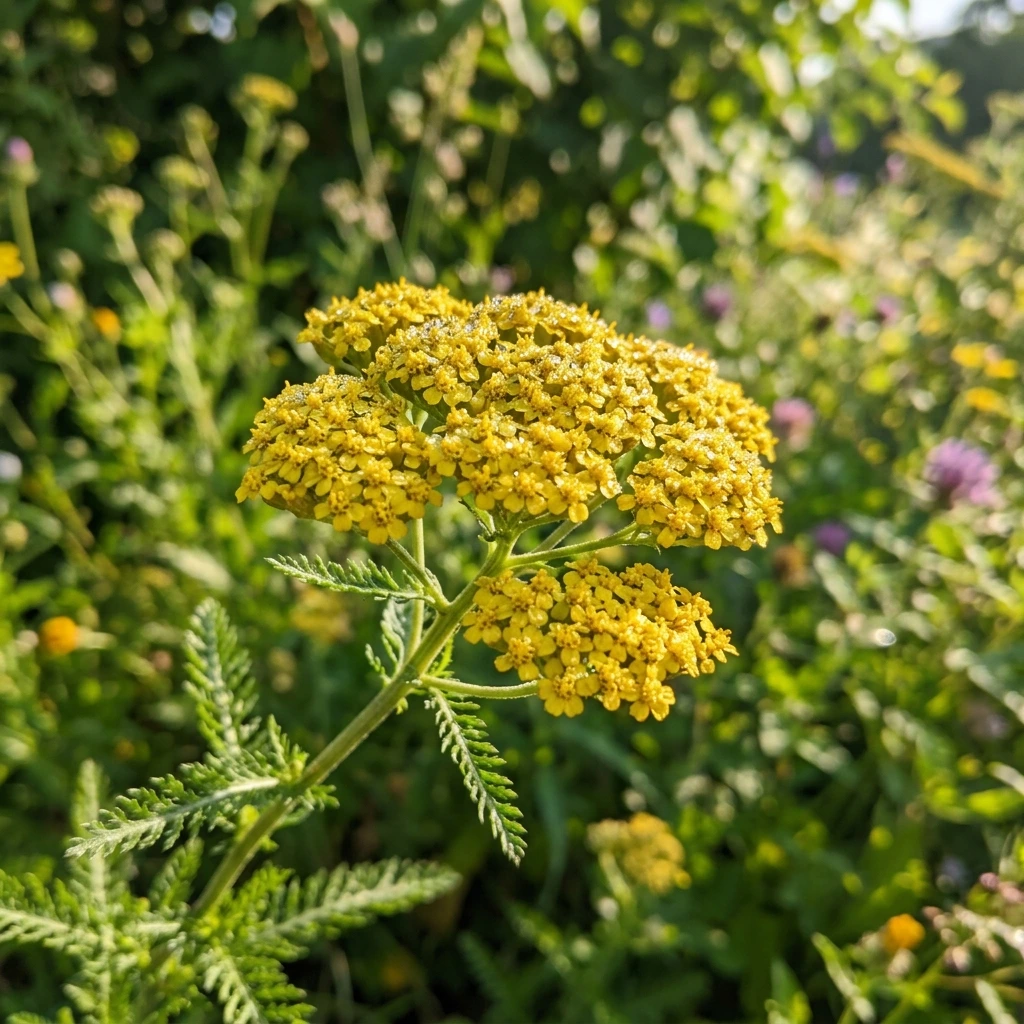
A highly aromatic, clump-forming herbaceous perennial producing large, flat-topped, umbrella-like clusters (corymbs) of tiny, tightly packed blossoms on stiff, erect stems.
-
✔
Key Visual Features: Highly distinct, feathery, fern-like green leaves that are deeply divided into hundreds of tiny, delicate segments, emitting a spicy, herbal scent when crushed.
-
✔
Color Variations: Classic wild white and pastel yellow, with modern cultivated varieties in vibrant shades of pink, crimson red, terracotta, and deep orange.
-
✔
Common Confusions: Can be confused with Queen Anne's Lace or wild Tansy, but Yarrow is easily identified by its deeply divided, feather-like, highly aromatic leaves and its flat-topped, dense clusters of tiny composite flowers (not open, lace-like umbels).
Complete Care & Cultivation Guide
Follow our detailed scientific care guide to keep your Yarrow thriving and gorgeous all year round.
Common Diseases & Treatment
Stem Rot (Fungal)
Symptoms: Soft, brown or black rot at the base of the stems, causing the entire plant clump to wilt and collapse in hot, wet summer weather.
Rust (Fungal)
Symptoms: Orange-brown powdery pustules forming on the undersides of the fern-like leaves, causing them to turn yellow and dry up.
Frequently Asked Questions
Why is my Yarrow falling over and splitting open in the middle of the clump?
This is usually caused by too much fertilizer, water, or shade! Yarrow is native to dry, lean, low-fertility grasslands. In overly rich soils or when pampered with regular watering and fertilizer, it grows too fast, creating weak, floppy, top-heavy stems that collapse.
Is Yarrow toxic to my household pets?
Yes! Yarrow is toxic to dogs and cats. It contains volatile oils, thujone, and sesquiterpene lactones. Ingestion of the leaves or flowers can lead to vomiting, diarrhea, depression, and increased urination. Contact with the plant's juices can also cause allergic skin reactions (contact dermatitis) in sensitive animals.
What is the historical meaning behind Yarrow's scientific name, Achillea?
It is named after the Greek hero Achilles! According to ancient mythology and Greek history, Achilles used Yarrow leaves to treat and stop the bleeding of his soldiers' wounds during the Trojan War. The plant has been used for centuries in traditional herbal medicine to staunch blood flow.
How do I care for Yarrow after it finishes blooming in mid-summer?
Cut the plant back! After the first major flush of flowers fades, shear the entire plant back by half or down to the basal foliage. This removes unsightly dead brown flower heads, prevents unwanted self-seeding, and stimulates a fresh, compact flush of lush green leaves and a second round of blooms in late autumn.