Crete Aglaonema Care & Identification Guide
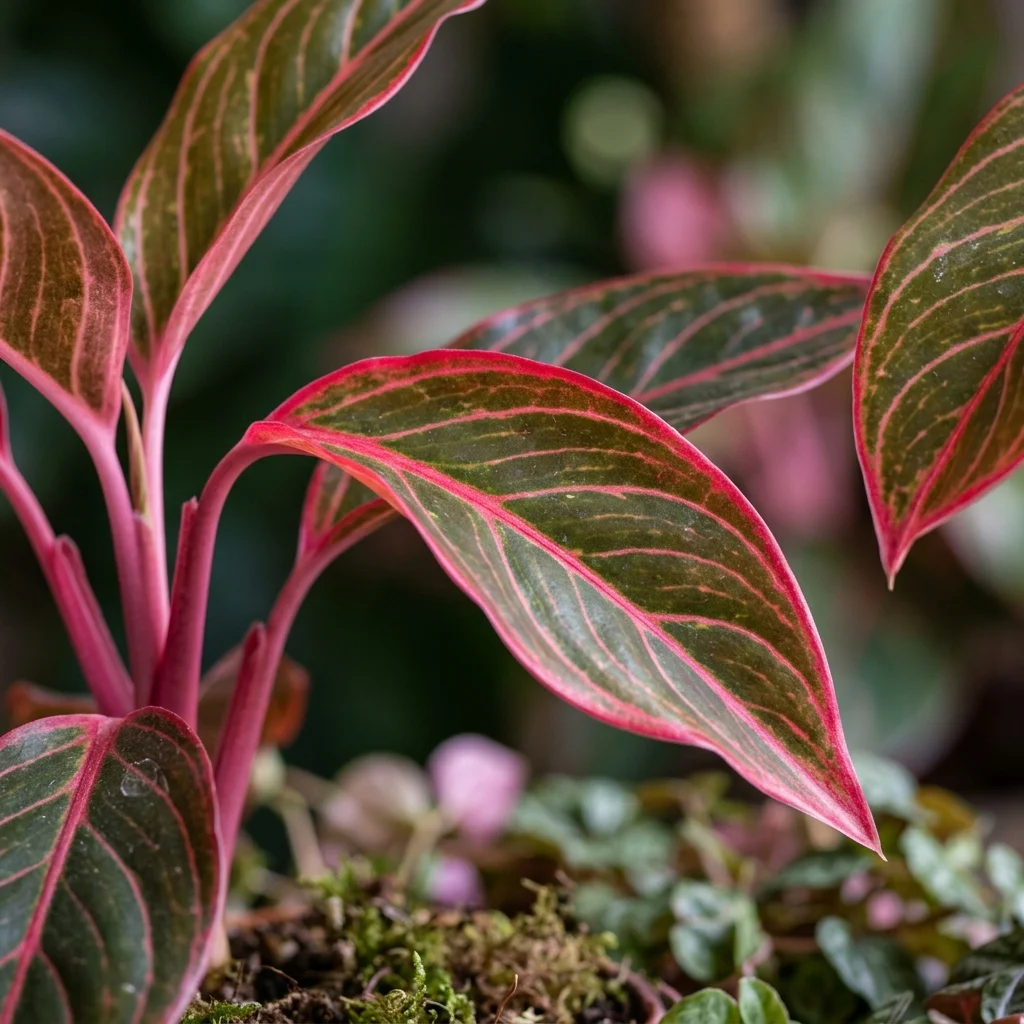
Aglaonema 'Crete', the stunning red-rimmed Chinese Evergreen, is an exceptionally colorful and resilient masterpiece. Famous for its elegant, arching lance-shaped leaves with a striking red-pink border, red leaf stems, and rich olive-green centers, it adds a highly colorful, premium designer statement to bright spaces.





How to Identify Crete Aglaonema
Crete Aglaonema (Aglaonema 'Crete') is a remarkable ornamental species widely appreciated for its unique aesthetic and structural foliage. Recognizing its definitive visual traits is key to distinguishing it from other similar plants.
-
✔
Key Visual Features: Lance-shaped olive-green leaves bordered with a glowing, vibrant red-pink stripe; leaf veins and stems are deep pink.
-
✔
Color Variations: Olive-green blades with stark contrasting red-pink margins and veins; new leaves display a very bright red color.
-
✔
Common Confusions: Confused with Aglaonema 'Siam Aurora' (which has very similar red-pink variegation but slightly narrower leaves).
Complete Care & Cultivation Guide
Follow our detailed scientific care guide to keep your Crete Aglaonema thriving and gorgeous all year round.
Common Diseases & Treatment
Root Rot
Symptoms: Leaves turn yellow, drop off, and roots turn black and mushy.
Bacterial Leaf Spot
Symptoms: Water-soaked dark spots expand rapidly on the thick patterned red leaves.
Frequently Asked Questions
Why are my Aglaonema Crete leaves curling?
Leaf curling is typically a sign of underwatering, dry air, or pest infestations. Check soil moisture and inspect leaves for mealybugs.
Does Aglaonema Crete need high humidity?
It can tolerate average home humidity, but it will grow much faster and produce larger leaves if humidity is kept above 50%.
How large does Aglaonema Crete grow?
It is a compact variety, typically growing 18-24 inches tall, making it a perfect tabletop or desk specimen.
Is Aglaonema Crete safe for cats?
No, it contains calcium oxalate crystals. It is toxic to dogs and cats, causing oral swelling, drooling, and vomiting if chewed.