Silver Bay Aglaonema Care & Identification Guide
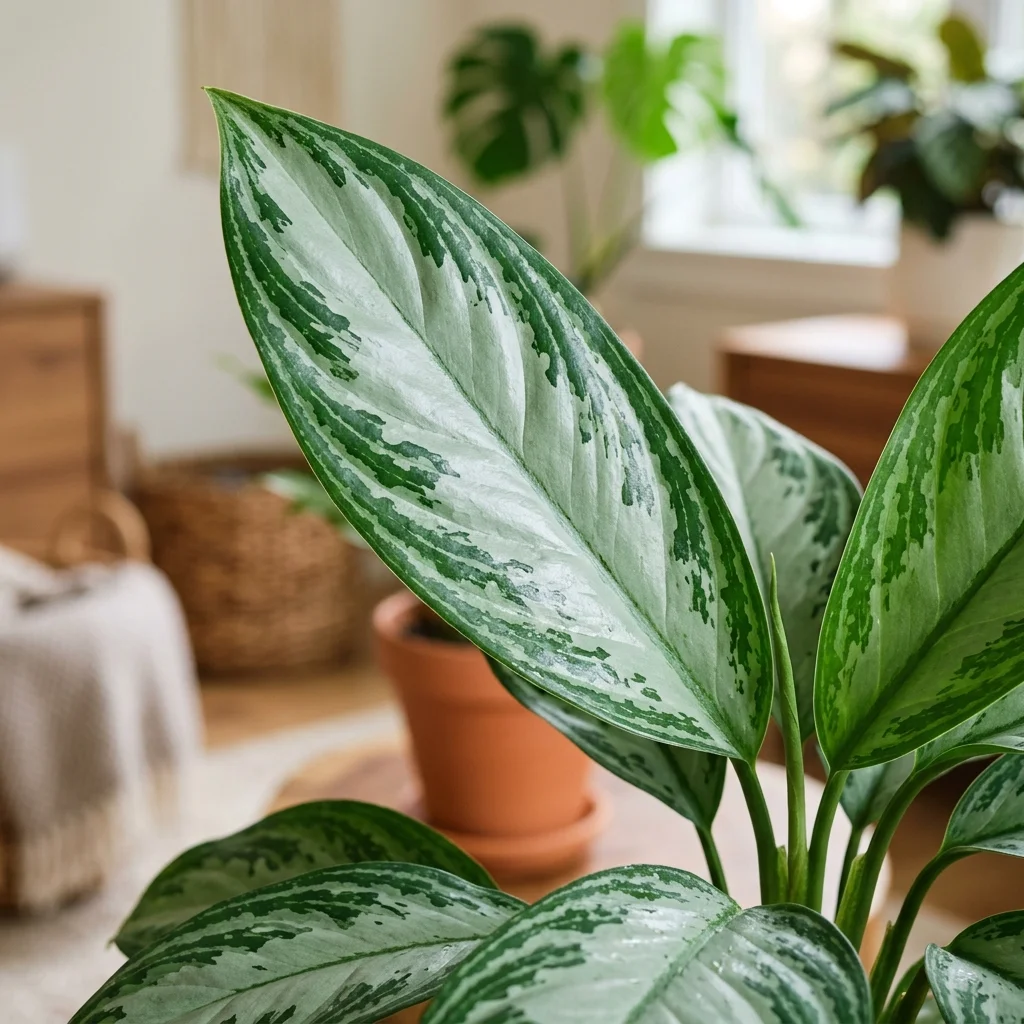
Aglaonema 'Silver Bay', famously known as the Chinese Evergreen Silver Bay, is an exceptionally robust tropical showpiece. Loved for its massive, lance-shaped leaves displaying a striking silvery-gray center surrounded by deep green margins, it is incredibly tough, highly tolerant of low light, and extremely easy to care for.





How to Identify Silver Bay Aglaonema
Silver Bay Aglaonema (Aglaonema 'Silver Bay') is a remarkable ornamental species widely appreciated for its unique aesthetic and structural foliage. Recognizing its definitive visual traits is key to distinguishing it from other similar plants.
-
✔
Key Visual Features: Oversized, lance-shaped green leaves with a broad, highly distinct silvery-gray pattern expanding along the leaf center.
-
✔
Color Variations: Matte silver-gray leaf blades framed by a beautiful, deep forest-green border and light green undersides.
-
✔
Common Confusions: Confused with Aglaonema Maria (which features a much darker green background with speckled silver chevrons, rather than a solid silver center).
Complete Care & Cultivation Guide
Follow our detailed scientific care guide to keep your Silver Bay Aglaonema thriving and gorgeous all year round.
Common Diseases & Treatment
Root Rot
Symptoms: Leaves turn yellow, stems turn mushy, and roots turn black and soft near the soil.
Bacterial Leaf Spot
Symptoms: Water-soaked dark brown or black spots with yellow rings expand rapidly across the silver leaves.
Frequently Asked Questions
Can Silver Bay Aglaonema grow in low light?
Yes! Ficus and Alocasias need bright light, but Silver Bay is famous for thriving in low-light rooms, offices, and hallways.
Why are the leaf tips of my Silver Bay turning brown?
Brown tips are typically caused by low humidity, dry drafts, or tap water chemical salts. Use filtered water and group plants together.
How fast does Silver Bay Aglaonema grow?
It is a slow to moderate grower. In bright indirect light, it will produce new leaves much faster than in dim office corners.
Is Silver Bay Aglaonema safe for pets?
No, it contains calcium oxalate crystals. It is toxic to dogs and cats, causing oral swelling, drooling, and vomiting if chewed.