Sprenger's Asparagus Fern Care & Identification Guide
Asparagus aethiopicus, commonly called Sprenger's Asparagus Fern or Emerald Fern, is a tough, cascading tropical perennial native to South Africa. Celebrated for its sprawling, trailing woody stems densely packed with bright emerald-green, needle-like foliage, it is an exceptionally resilient choice for hanging baskets, forming a magnificent arching plume of rich green.





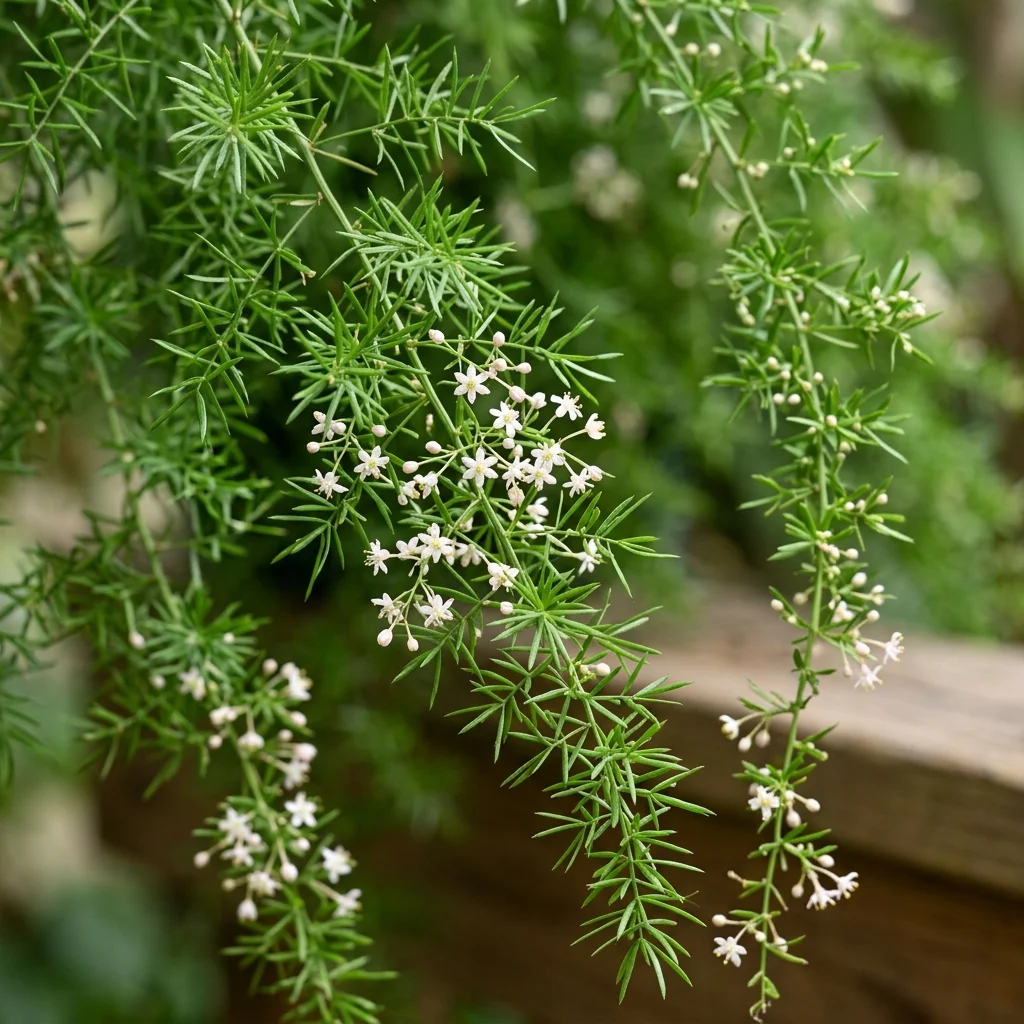
How to Identify Sprenger's Asparagus Fern
Sprenger's Asparagus Fern (Asparagus aethiopicus) is a remarkable ornamental species widely appreciated for its unique aesthetic and structural foliage. Recognizing its definitive visual traits is key to distinguishing it from other similar plants.
-
✔
Key Visual Features: Vigorous, sprawling woody trails densely clothed in coarse, bright emerald-green needle-like leaves, armed with small sharp thorns.
-
✔
Color Variations: Uniform emerald-green needle foliage; young shoots are pale green; produces small star-shaped white-pink flowers and red berries.
-
✔
Common Confusions: Confused with Asparagus plumosus (which has extremely fine, flat, horizontal feather-like foliage, while Sprenger has coarser, radial needles).
Complete Care & Cultivation Guide
Follow our detailed scientific care guide to keep your Sprenger's Asparagus Fern thriving and gorgeous all year round.
Common Diseases & Treatment
Root Rot
Symptoms: Trailing stems turn yellow, limp, and drop their needles; the thick tuberous roots turn black, soft, and decay.
Needle Yellowing
Symptoms: Emerald needles turn dry, papery yellow, and drop off in large quantities, leaving trails bare and unsightly.
Frequently Asked Questions
Why is my Sprenger's Asparagus Fern dropping needles?
Needle drop is usually caused by underwatering or low humidity. Water thoroughly when the top 2 inches of soil are dry and mist regularly.
Are the red berries on my Asparagus Fern edible?
No! The bright red berries produced by Asparagus aethiopicus are highly toxic to humans and pets, causing severe gastrointestinal upset.
How fast does Sprenger's Asparagus Fern grow?
It is a highly vigorous grower, with trailing stems easily reaching 2 to 3 feet in length in a single warm growing season.
Is Sprenger's Asparagus Fern safe for cats?
No. The foliage and berries contain toxic sapogenins that are dangerous if chewed or swallowed by dogs, cats, and other household pets.