Variegated Spider Plant Care & Identification Guide
Chlorophytum comosum 'Variegatum', the Variegated Spider Plant, is an iconic houseplant classic celebrated for its beautifully striped foliage. Featuring arching, ribbon-like green leaves highlighted by bold, creamy-white margins or centers, it forms a spectacular cascading fountain of bright, modern color. Excellent at purifying indoor air, it is a low-maintenance favorite for hanging baskets.





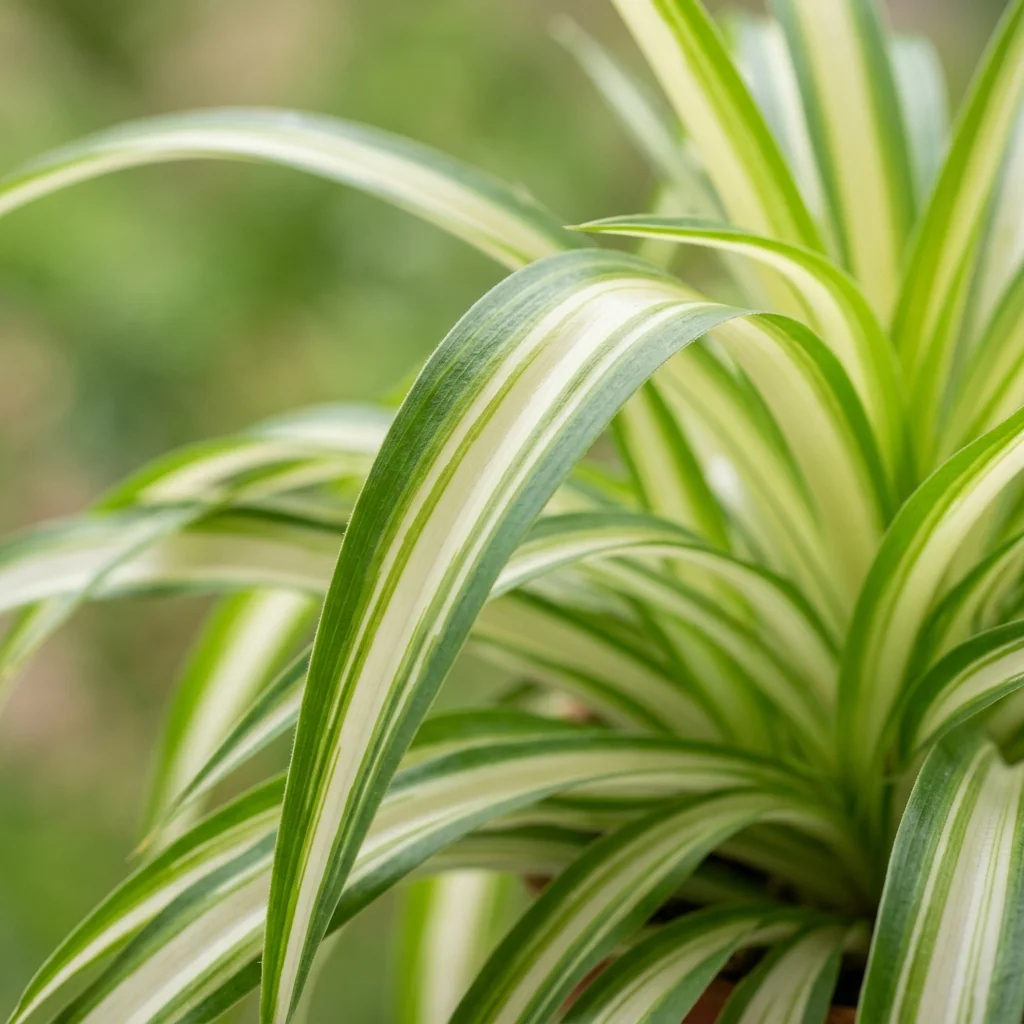
How to Identify Variegated Spider Plant
Variegated Spider Plant (Chlorophytum comosum 'Variegatum') is a remarkable ornamental species widely appreciated for its unique aesthetic and structural foliage. Recognizing its definitive visual traits is key to distinguishing it from other similar plants.
-
✔
Key Visual Features: Ribbon-like arching leaves with distinct lengthwise variegation: either a white center with green edges ('Vittatum') or white edges with a green center.
-
✔
Color Variations: Striking lengthwise stripes of bright emerald green and rich creamy-white; wiry yellow-green runners produce hanging plantlets.
-
✔
Common Confusions: Confused with the solid green Spider Plant, and ornamental grasses like Carex (which are much stiffer and grow in outdoor tufts).
Complete Care & Cultivation Guide
Follow our detailed scientific care guide to keep your Variegated Spider Plant thriving and gorgeous all year round.
Common Diseases & Treatment
Root Rot
Symptoms: Base of the variegated rosette turns black and mushy, leaves turn yellow and drop off, and roots decay.
Leaf Tip Burn
Symptoms: The tips of the variegated leaves turn dry, crispy, and dark brown, slowly creeping inward along the stripes.
Frequently Asked Questions
Why are the white stripes on my Variegated Spider Plant turning green?
If kept in too much shade, the plant will produce more chlorophyll, causing the green areas to expand and the white stripes to shrink.
How do I grow the baby spiderettes?
Simply snip them from the runners when they have small root buds at their base, and place them in water. They will grow strong roots in days.
Why is my Spider Plant drooping and looks sad?
Drooping is usually a sign of extreme underwatering or a severely root-bound state. Check the soil moisture and the root system.
Is Variegated Spider Plant safe for cats?
Yes! Variegated Spider Plants are 100% non-toxic and safe for cats, dogs, and children. Cats may be attracted to them for their grass-like shape.