Spider Plant Care & Identification Guide
Chlorophytum comosum, the classic solid green Spider Plant, is one of the most resilient, adaptable, and popular houseplants in the world. Native to South Africa, it features a fountain-like rosette of arching, ribbon-like bright green leaves. It is famous for producing long, cascading runners that bear tiny white flowers and clusters of baby 'spiderettes' that hang gracefully below the mother plant.





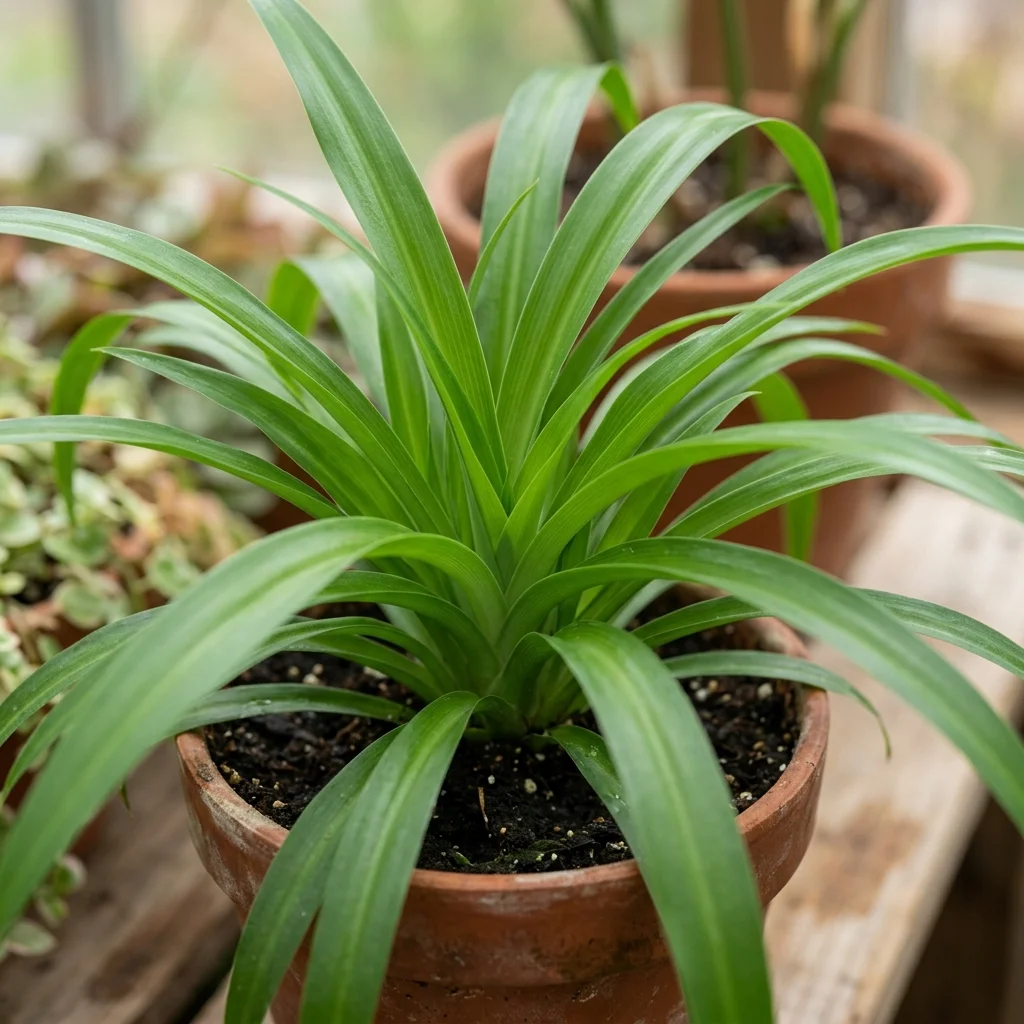
How to Identify Spider Plant
Spider Plant (Chlorophytum comosum) is a remarkable ornamental species widely appreciated for its unique aesthetic and structural foliage. Recognizing its definitive visual traits is key to distinguishing it from other similar plants.
-
✔
Key Visual Features: Rosette of arching, ribbon-like, solid bright green leaves with a glossy finish, sending out long wiry stems with hanging baby plantlets.
-
✔
Color Variations: Solid rich grass-green to light lime green foliage; roots are thick, white, fleshy tubers; tiny star-shaped white flowers.
-
✔
Common Confusions: Confused with Variegated Spider Plant (which has white stripes, while the original species has solid green foliage).
Complete Care & Cultivation Guide
Follow our detailed scientific care guide to keep your Spider Plant thriving and gorgeous all year round.
Common Diseases & Treatment
Root Rot
Symptoms: Leaves turn pale, yellow, and translucent; the base of the rosette becomes mushy, and roots decay.
Fluoride Toxicity
Symptoms: Tips of the ribbon-like green leaves turn gray, dry, and crispy brown, slowly spreading upward.
Frequently Asked Questions
Why are my spider plant leaves turning pale and limp?
Pale, limp leaves are usually a sign of either underwatering or excessive root-bound stress. Water thoroughly or check if it needs repotting.
How do I get my Spider Plant to produce babies?
Ensure the plant receives abundant bright indirect light and is slightly snug in its pot. These conditions naturally trigger runner production.
Are the brown tips on my Spider Plant dangerous?
No, brown tips are cosmetic and usually caused by fluoride in tap water or low humidity. Trim them off with scissors following the leaf shape.
Is Spider Plant safe for cats?
Yes! Chlorophytum comosum is completely non-toxic and safe for cats and dogs. However, cats love to chew the grass-like leaves as a mild hallucinogen!