Alii Fig Care & Identification Guide
Ficus maclellandii 'Alii', the graceful Alii Fig or Banana-Leaf Fig, is a highly elegant, structural indoor tree. Loved for its long, slender, willow-like olive-green leaves that arch gracefully from upright woody trunks, it is exceptionally tough, adaptable, and far less prone to dropping leaves than the Weeping Fig.





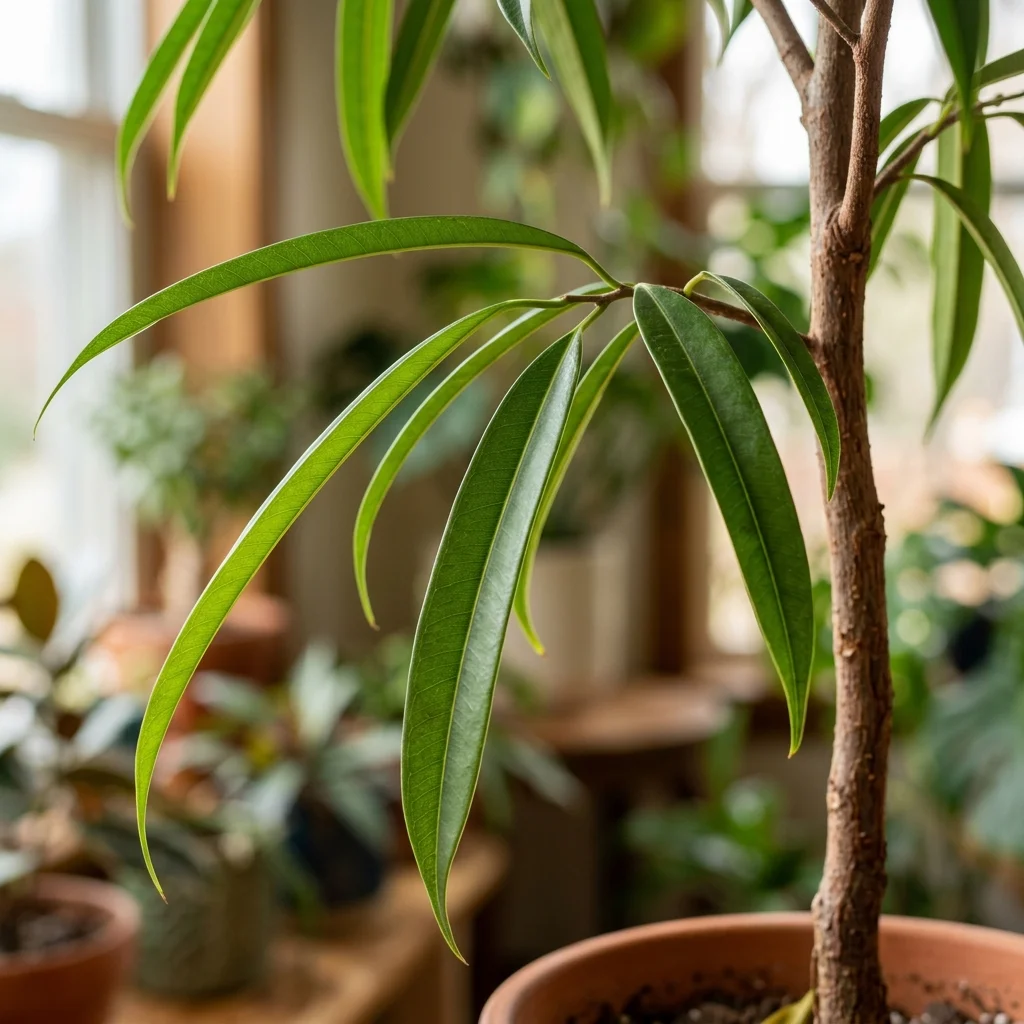
How to Identify Alii Fig
Alii Fig (Ficus maclellandii 'Alii') is a remarkable ornamental species widely appreciated for its unique aesthetic and structural foliage. Recognizing its definitive visual traits is key to distinguishing it from other similar plants.
-
✔
Key Visual Features: Long, narrow, strap-like olive-green leaves that resemble small banana leaves arching from slender woody branches.
-
✔
Color Variations: Glossy olive-green foliage; new growth displays a beautiful bronze-red tint before maturing to deep green.
-
✔
Common Confusions: Confused with Weeping Fig (Ficus benjamina, which has much broader, teardrop-shaped leaves and is far more finicky).
Complete Care & Cultivation Guide
Follow our detailed scientific care guide to keep your Alii Fig thriving and gorgeous all year round.
Common Diseases & Treatment
Root Rot
Symptoms: Leaves turn yellow, drop off, and roots turn black and mushy.
Leaf Drop Stress
Symptoms: Green, healthy leaves drop off rapidly in response to a sudden change in environment.
Frequently Asked Questions
Why is my Alii Fig dropping leaves?
Although tougher than Weeping Fig, it can still drop leaves due to overwatering, sudden drops in light, or cold winter drafts.
Does Alii Fig lose fewer leaves than Weeping Fig?
Yes! Ficus Alii is much more durable and far less sensitive to drop its leaves when moved or when the indoor environment changes.
How large does Ficus Alii grow indoors?
In bright indirect light, it can easily grow 6 to 10 feet tall, serving as a tall, elegant structural indoor tree.
Is Ficus Alii safe for house pets?
No, like other Ficus species, it contains toxic milky sap and calcium oxalate crystals. It is toxic to dogs and cats.