Umbrella Fig Care & Identification Guide
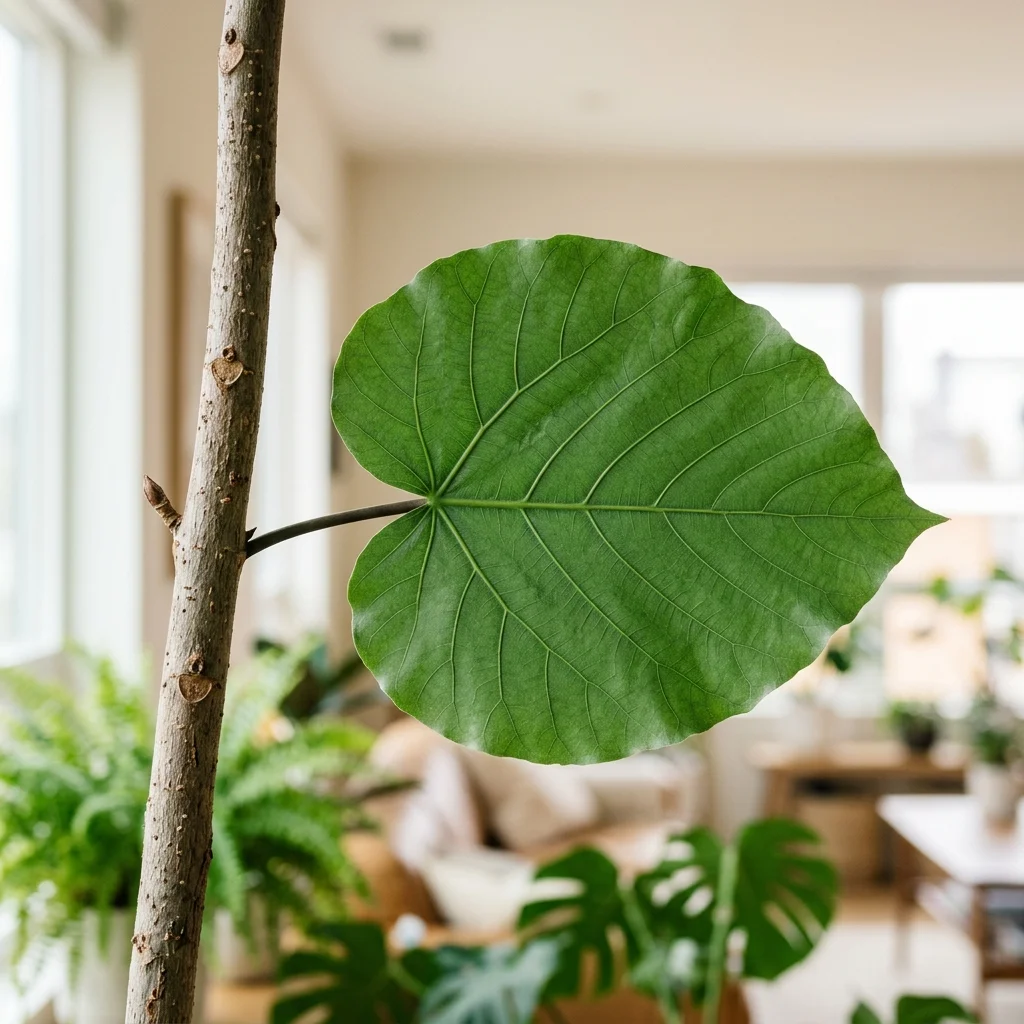
Ficus umbellata, the beautiful Umbrella Fig, is a breathtaking, highly elegant indoor tree rapidly growing in popularity. Prized for its massive, delicate, heart-shaped emerald leaves that grow horizontally like wide umbrellas on slender, artistic woody trunks, it offers a soft, airy, and ultra-stylish modern woodland statement.





How to Identify Umbrella Fig
Umbrella Fig (Ficus umbellata) is a remarkable ornamental species widely appreciated for its unique aesthetic and structural foliage. Recognizing its definitive visual traits is key to distinguishing it from other similar plants.
-
✔
Key Visual Features: Massive, thin, heart-shaped leaves with a beautiful matte green finish growing horizontally on slender woody stems.
-
✔
Color Variations: Vibrant emerald-green foliage with a delicate matte texture; new leaves display a beautiful light chartreuse-green hue.
-
✔
Common Confusions: Confused with Fiddle Leaf Fig (Ficus lyrata, which has much thicker, violin-shaped leaves with waxy glossy finish).
Complete Care & Cultivation Guide
Follow our detailed scientific care guide to keep your Umbrella Fig thriving and gorgeous all year round.
Common Diseases & Treatment
Root Rot
Symptoms: Leaves turn yellow or brown, drop off rapidly, and roots turn black and mushy.
Fungal Leaf Spot
Symptoms: Brown spots expand on the large heart-shaped leaves under high humidity and poor airflow.
Frequently Asked Questions
Why is my Ficus Umbellata losing its leaves?
This species drops leaves easily due to low light, overwatering, or sudden changes in position and temperature drafts. Ensure bright, stable light.
Is Ficus Umbellata easier to care for than a Fiddle Leaf Fig?
Yes! It is generally considered less finicky and less prone to leaf drop, although its thinner leaves are more sensitive to dry air.
How large does Ficus Umbellata grow?
In bright indirect light, it can easily grow 6 to 10 feet tall, serving as a tall, elegant structural indoor tree.
Is Ficus Umbellata toxic to cats?
Yes, like all Ficus trees, its milky sap is toxic to cats, dogs, and other household pets, causing oral irritation and vomiting.