Glacier Ivy Care & Identification Guide
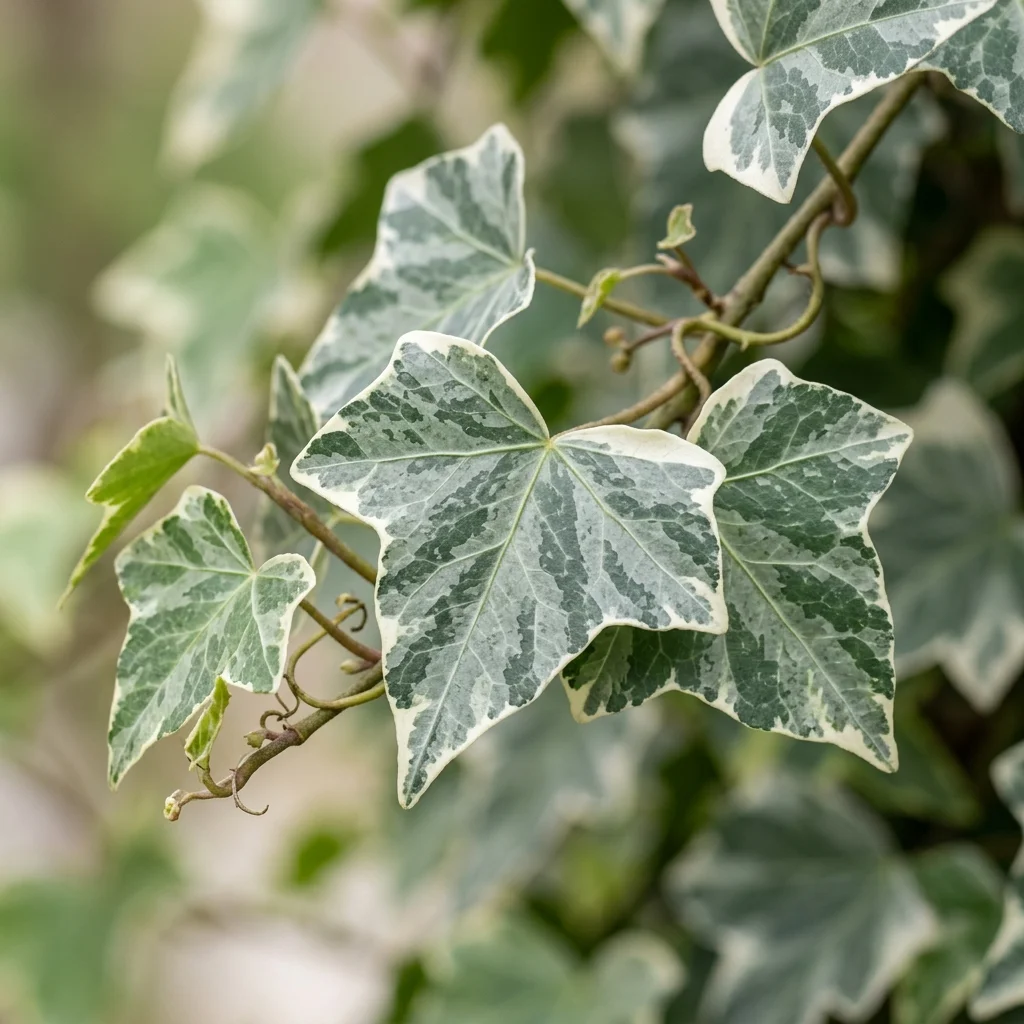
Hedera helix 'Glacier' is an incredibly popular variegated English Ivy cultivar loved for its cool, frosted aesthetic. Featuring small, triangular, 3 to 5 lobed leaves beautifully mottled with shades of silver-gray and sage-green, all elegantly edged with a clean, crisp margin of creamy-white, it is a magnificent choice for bringing a cool, modern elegance to indoor hanging pots.





How to Identify Glacier Ivy
Glacier Ivy (Hedera helix 'Glacier') is a remarkable ornamental species widely appreciated for its unique aesthetic and structural foliage. Recognizing its definitive visual traits is key to distinguishing it from other similar plants.
-
✔
Key Visual Features: Triangular, compact leaves displaying mottled patches of silver-gray and light green, bordered by clean white edges.
-
✔
Color Variations: Muted silver-green, gray-green, and deep emerald mottling, framed by cream-white margins; stems are light pinkish-gray.
-
✔
Common Confusions: Confused with Hedera helix 'Goldchild' (which has distinct warm golden-yellow borders instead of cool silver-white borders).
Complete Care & Cultivation Guide
Follow our detailed scientific care guide to keep your Glacier Ivy thriving and gorgeous all year round.
Common Diseases & Treatment
Root Rot
Symptoms: Leaves turn yellow or gray-brown, stems droop, and roots turn mushy, blackish-brown and soft.
Leaf Spot
Symptoms: Brown-black necrotic spots appear on the silvery leaves, causing the leaves to dry out and drop.
Frequently Asked Questions
Why is my Glacier Ivy drying out even though I water it?
If the soil is wet but the leaves are dry and dying, the roots may have rotted from overwatering, preventing the plant from taking up water.
How do I care for Glacier Ivy in winter?
Reduce watering frequency significantly, allowing the soil to dry deeper. Keep it in a bright spot away from hot radiator drafts.
Why are my Glacier Ivy leaves turning solid green?
Low light levels force the plant to produce more green chlorophyll to survive, causing the silver-white variegation to fade.
Is Glacier Ivy safe for dogs?
No. Hedera helix 'Glacier' is toxic to dogs, cats, and other pets due to the presence of harmful saponins in its leaves and stems.