English Ivy Care & Identification Guide
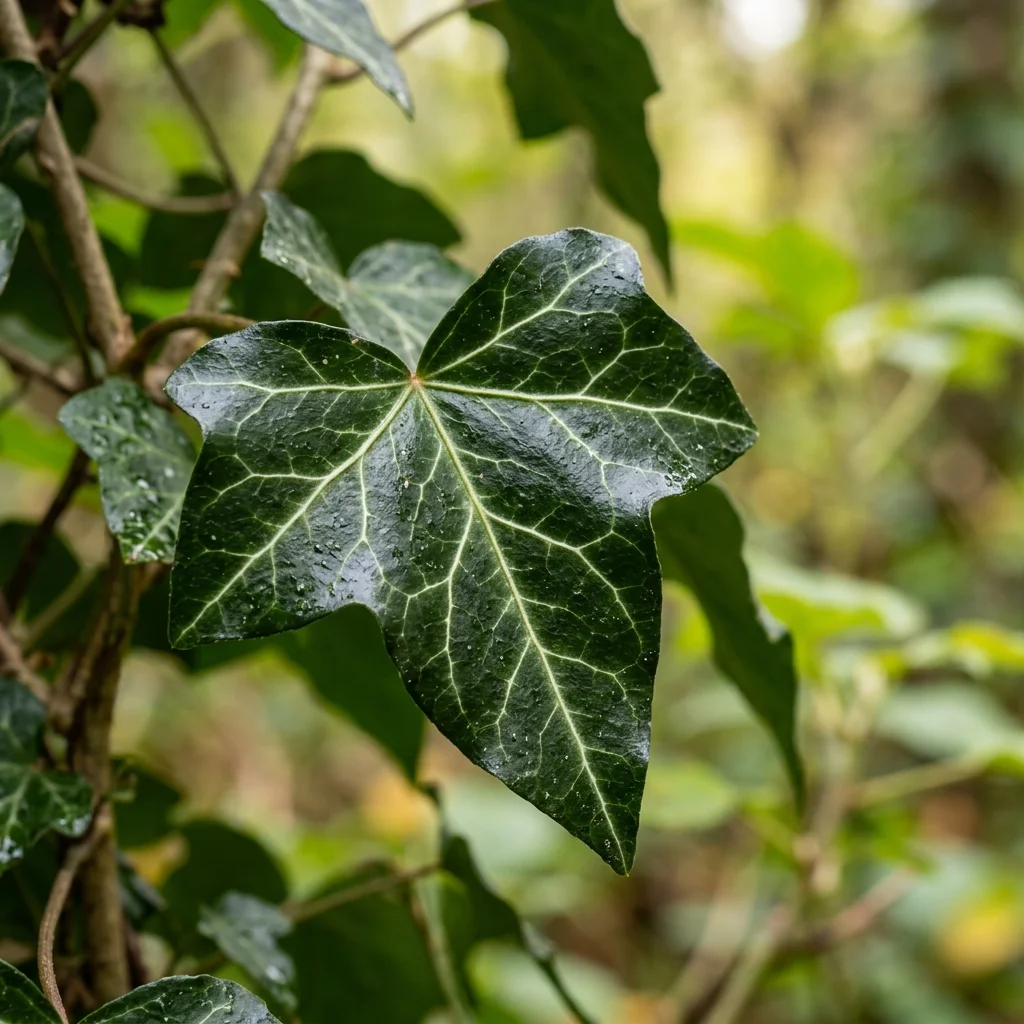
Hedera helix, the ubiquitous English Ivy, is a classic evergreen climbing vine renowned for its lush, dark green leaves with elegant, contrasting light green or cream-colored veins. Highly versatile, it can climb walls and trellises using its clinging aerial rootlets, or spill beautifully as a cascading trailer in hanging baskets.





How to Identify English Ivy
English Ivy (Hedera helix) is a remarkable ornamental species widely appreciated for its unique aesthetic and structural foliage. Recognizing its definitive visual traits is key to distinguishing it from other similar plants.
-
✔
Key Visual Features: Evergreen climbing vine with classic, lobed leaves (typically 3 to 5 lobes) and prominent, light-colored veins branching from the center.
-
✔
Color Variations: Glossy deep green base with creamy-white or pale green veins; young leaves are lighter green; woody stems develop with maturity.
-
✔
Common Confusions: Often confused with Algerian Ivy (which has much larger leaves, red petioles, and grows faster in warmer climates).
Complete Care & Cultivation Guide
Follow our detailed scientific care guide to keep your English Ivy thriving and gorgeous all year round.
Common Diseases & Treatment
Bacterial Leaf Spot
Symptoms: Water-soaked dark spots on leaves, which slowly turn black with a distinct yellow halo, causing leaf drop.
Root Rot
Symptoms: Leaves turn pale green or yellow, stems droop, and the roots turn black, soft, and emit a foul smell.
Frequently Asked Questions
Why is my English Ivy losing its variegation?
Variegated ivy varieties need bright indirect light. If kept in low light, they revert to solid green to maximize chlorophyll production.
How can I make my English Ivy grow fuller?
Regularly pinching back the growing tips of the vines forces the plant to branch out from the nodes, creating a much bushier, thicker appearance.
Why are the leaves of my English Ivy turning brown and dry?
Dry, crispy brown leaves are usually caused by low humidity, underwatering, or spider mite infestation. Check the undersides of leaves for webs.
Is English Ivy safe for indoor pets?
No. Hedera helix contains triterpenoid saponins which are toxic to dogs and cats, causing vomiting, drooling, and skin irritation.