Polka Dot Plant Care & Identification Guide
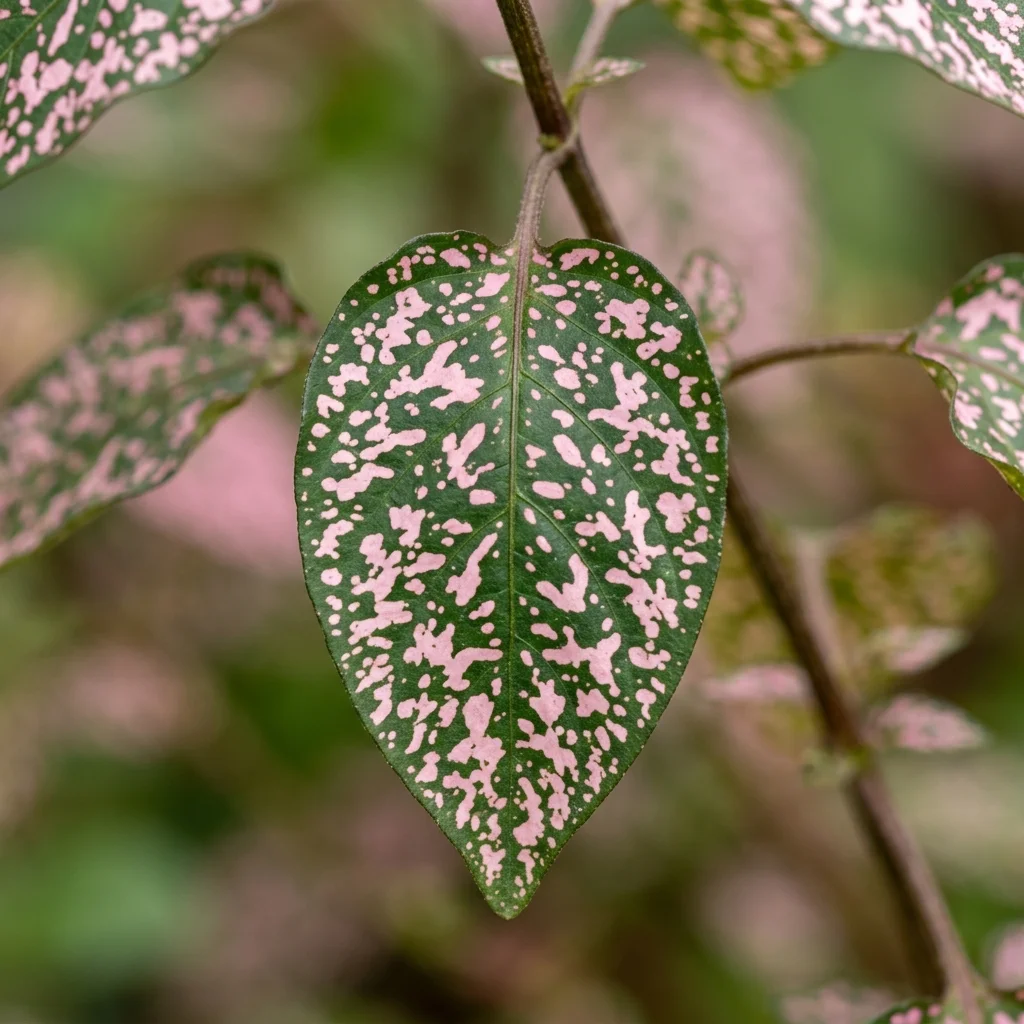
Hypoestes phyllostachya, the stunning Polka Dot Plant or Freckle Face, is a breathtaking, highly colorful tropical native. Prize-winning for its compact growth and soft oval leaves beautifully splashed and mottled with a complex pattern of bright pink, red, or white spots, it provides a highly playful, colorful statement.





How to Identify Polka Dot Plant
Polka Dot Plant (Hypoestes phyllostachya) is a remarkable ornamental species widely appreciated for its unique aesthetic and structural foliage. Recognizing its definitive visual traits is key to distinguishing it from other similar plants.
-
✔
Key Visual Features: Soft, delicate oval leaves heavily splashed and speckled with highly defined baby-pink, red, or white dots.
-
✔
Color Variations: Vibrant baby-pink, hot red, or pure white flecks on an emerald-green base; stems are thin and green.
-
✔
Common Confusions: Confused with Aglaonema Wishes (which is a much larger plant with thick waxy leaves, whereas Polka Dot Plant has very thin, soft leaves).
Complete Care & Cultivation Guide
Follow our detailed scientific care guide to keep your Polka Dot Plant thriving and gorgeous all year round.
Common Diseases & Treatment
Root Rot
Symptoms: Leaves turn yellow, drop off rapidly, stems turn soft, and roots turn black and mushy.
Powdery Mildew
Symptoms: White powdery patches develop on the soft colorful leaves, causing leaf distortion.
Frequently Asked Questions
Why is my Polka Dot Plant losing its pink spots?
Inadequate light is the main cause. Move your plant to a brighter spot with plenty of indirect sunlight to restore vibrant pink colors.
Why is my Polka Dot Plant getting so tall and leggy?
It is stretching for light, and it hasn't been pinched back. Move it to a brighter spot, and pinch off the top growing stems to force side growth.
Is Polka Dot Plant safe for cats?
Yes! Hypoestes phyllostachya is completely non-toxic and safe for cats, dogs, and all other household pets.
How long does a Polka Dot Plant live?
It behaves as a short-lived perennial. It is best to propagate stem cuttings in water every year to maintain fresh, young plants.