Monstera Peru Care & Identification Guide
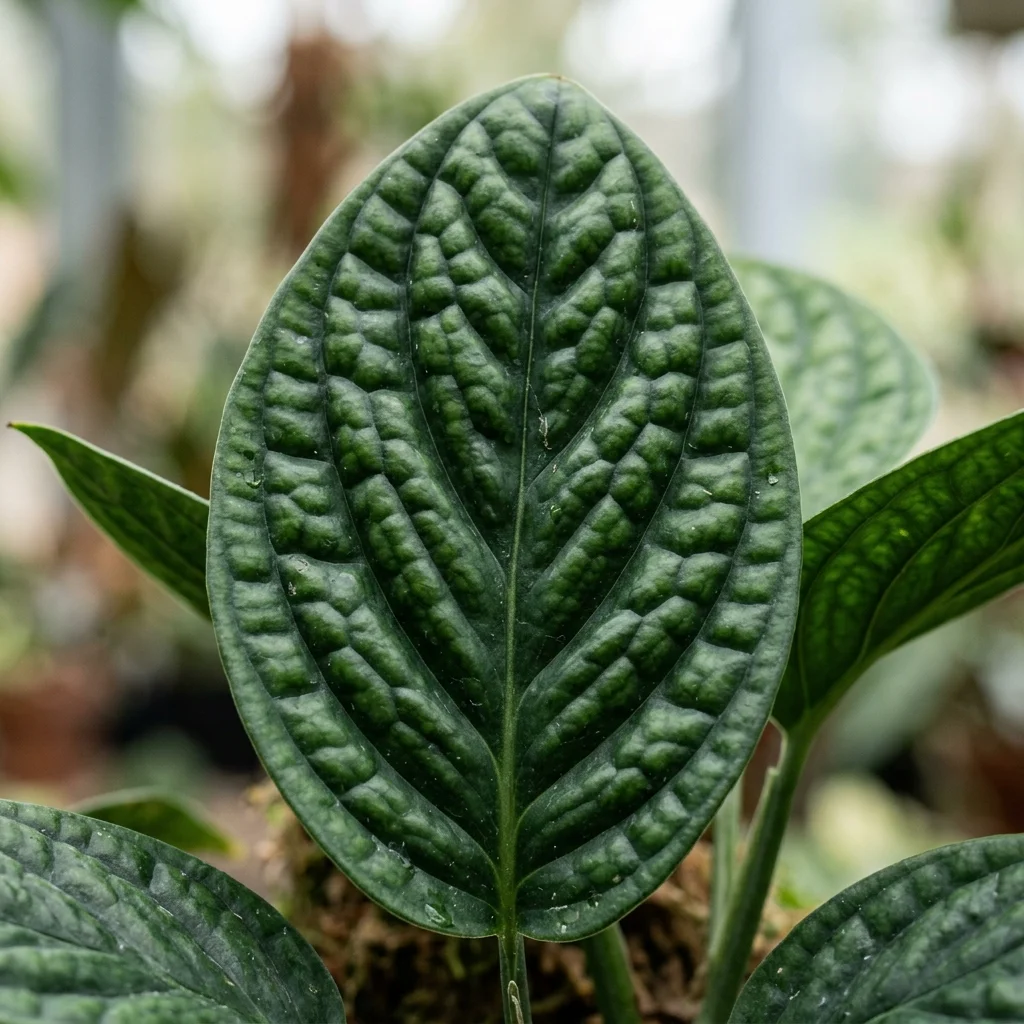
Monstera karstenianum, commonly known as Monstera Peru or Karsten's Monstera, is a highly unique, fast-growing trailing or climbing aroid. Unlike other Monsteras, it does not produce split leaves or fenestrations. Instead, it is highly sought-after for its incredibly thick, rigid, leathery leaves featuring a deeply puckered, quilted, and textured dark green surface that looks remarkably prehistoric.





How to Identify Monstera Peru
Monstera Peru (Monstera karstenianum) is a remarkable ornamental species widely appreciated for its unique aesthetic and structural foliage. Recognizing its definitive visual traits is key to distinguishing it from other similar plants.
-
✔
Key Visual Features: Incredibly thick, leathery, rigid leaves with a highly textured, puckered, and quilted deep green surface.
-
✔
Color Variations: Deep forest-green leaves with lighter green patches in the puckered valleys; thick succulent-like stems; rare yellow variegation exists.
-
✔
Common Confusions: Confused with Philodendron rugosum (which has a similar textured leaf, but its leaves are much rounder and less glossy than Monstera Peru).
Complete Care & Cultivation Guide
Follow our detailed scientific care guide to keep your Monstera Peru thriving and gorgeous all year round.
Common Diseases & Treatment
Root Rot
Symptoms: Thick, leathery leaves turn yellow, lose their rigidity, become soft and drop; stem base rots.
Groove Mold
Symptoms: Fungal growth or dark mold appears in the deep, puckered grooves of the textured leaf surfaces.
Frequently Asked Questions
Why are my Monstera Peru leaves not splitting?
Monstera Peru (Monstera karstenianum) is a unique species that naturally does not produce split leaves or fenestrations, even when mature.
Why is my Monstera Peru growing long, leafless stems?
This is called a 'runner.' In nature, the plant sends out long stems in search of a tree to climb. Give it a moss pole and brighter light.
How often should I water my Monstera Peru?
Typically once every 10 to 14 days. Always check the soil and water only when the top 3 inches of soil feel completely dry.
Is Monstera Peru toxic to household pets?
Yes. Monstera karstenianum contains toxic calcium oxalate crystals that are dangerous if chewed or swallowed by dogs and cats.