Silver Monstera Care & Identification Guide
Monstera siltepecana, the exquisite Silver Monstera or El Salvador Monstera, is a highly unusual, fast-growing climbing aroid. Famous for its dramatic ontogenetic change, its juvenile form features elegant lance-shaped leaves covered in a striking, glittering silver-grey sheen with dark green veins. As it climbs vertically, it undergoes a transformation, producing massive, deeply fenestrated green leaves.





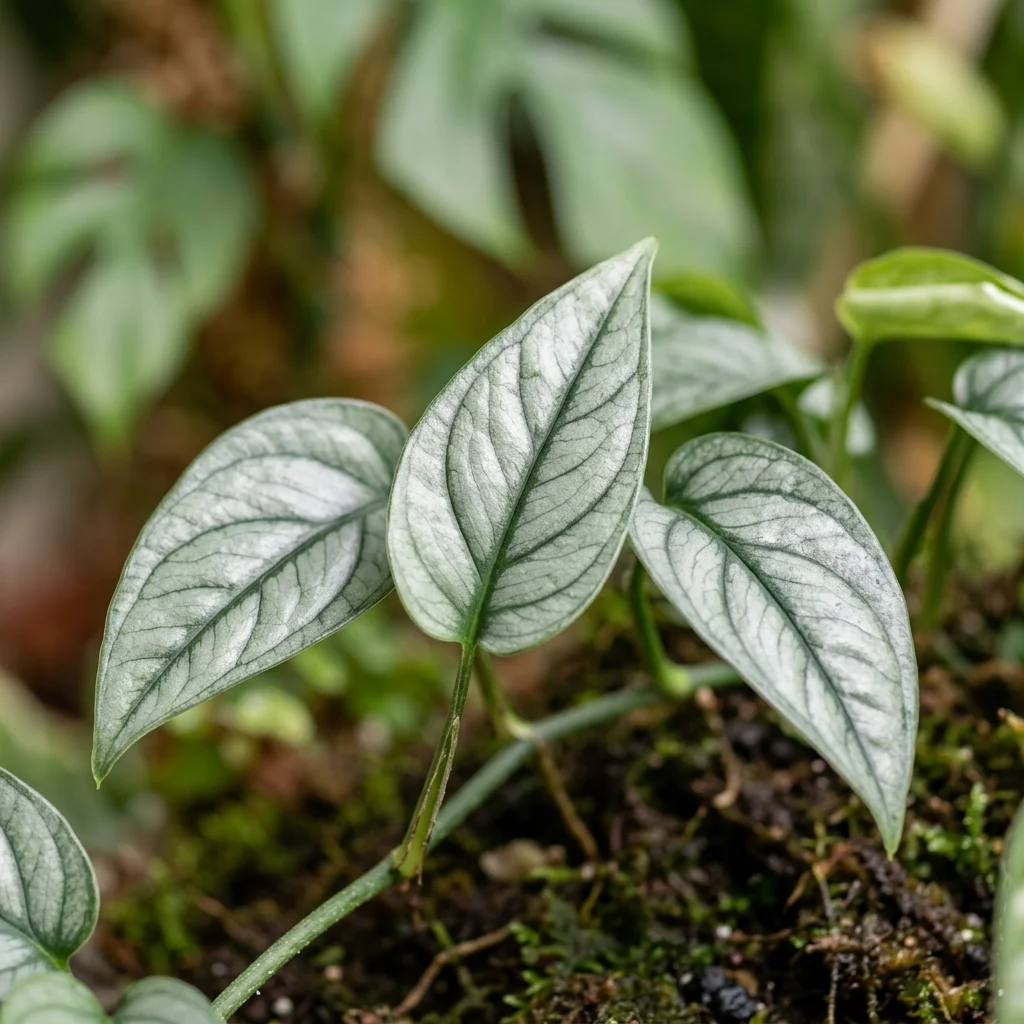
How to Identify Silver Monstera
Silver Monstera (Monstera siltepecana) is a remarkable ornamental species widely appreciated for its unique aesthetic and structural foliage. Recognizing its definitive visual traits is key to distinguishing it from other similar plants.
-
✔
Key Visual Features: Lance-shaped juvenile leaves with a striking silver-grey metallic sheen, contrasted by deep dark green veins.
-
✔
Color Variations: Glistening silver-grey leaf face with prominent dark emerald green veins; mature leaves turn solid green and split.
-
✔
Common Confusions: Confused with Cebu Blue Pothos (which has much narrower, blue-green leaves and lacks the prominent dark green veins of Siltepecana).
Complete Care & Cultivation Guide
Follow our detailed scientific care guide to keep your Silver Monstera thriving and gorgeous all year round.
Common Diseases & Treatment
Root Rot
Symptoms: Silvery leaves turn yellow, limp, and drop; stems turn mushy near the soil, and roots turn black and soft.
Faded Silver Variegation
Symptoms: The glistening silver-grey sheen turns dull green, and stem nodes grow very far apart.
Frequently Asked Questions
Why are my Silver Monstera leaves not growing silver anymore?
If kept in low light, the plant will produce solid green leaves. Move it to a brighter spot with consistent, abundant indirect light.
How do I get the mature, split leaves on my Siltepecana?
You must let it climb vertically up a damp moss pole in bright indirect light and warm temperatures. This process takes several years.
Why are my Silver Monstera leaves curling?
Leaves curl due to dry air, underwatering, or root rot. Check the soil moisture and root health before adjusting your care.
Is Silver Monstera safe for cats?
No. Monstera siltepecana contains calcium oxalate crystals which are toxic to dogs and cats, causing mouth irritation and vomiting.