Silver Leaf Philodendron Care & Identification Guide
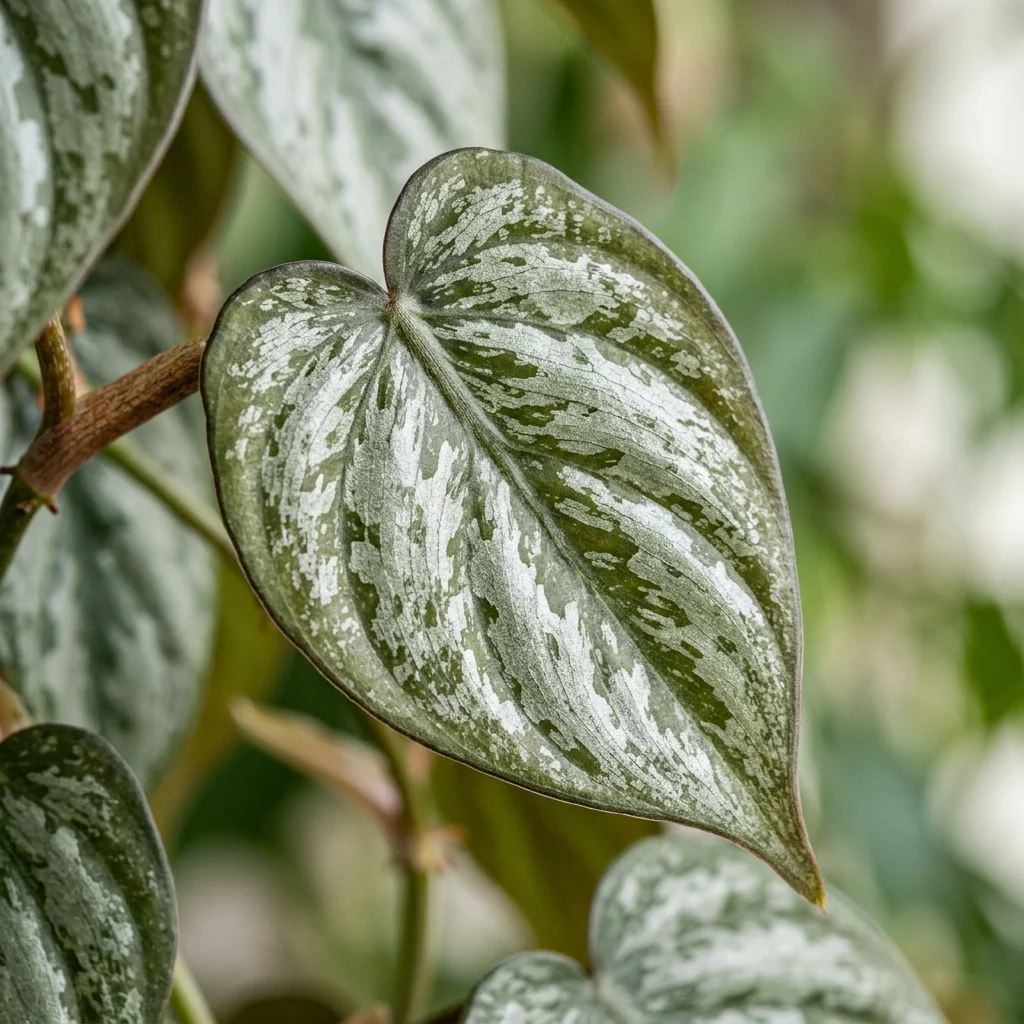
Philodendron brandtianum, the Silver Leaf Philodendron or Philodendron Brandi, is a rare, ultra-beautiful tropical trailing or climbing plant. Celebrated for its elegant heart-shaped olive-green leaves heavily splashed with shimmering silver-grey metallic patterns, it forms a gorgeous cascading display or climbing column that looks exceptionally modern and premium.





How to Identify Silver Leaf Philodendron
Silver Leaf Philodendron (Philodendron brandtianum) is a remarkable ornamental species widely appreciated for its unique aesthetic and structural foliage. Recognizing its definitive visual traits is key to distinguishing it from other similar plants.
-
✔
Key Visual Features: Elegant heart-shaped olive-green leaves heavily mottled and splashed with shimmering silver-grey metallic patterns.
-
✔
Color Variations: Olive-green base heavily splashed with reflective silver; young leaves can emerge with a warm orange-bronze tint.
-
✔
Common Confusions: Confused with Satin Pothos (Scindapsus pictus, which has asymmetrical, much thicker, and textured leaves compared to the smooth, thin, symmetrical heart leaves of Brandi).
Complete Care & Cultivation Guide
Follow our detailed scientific care guide to keep your Silver Leaf Philodendron thriving and gorgeous all year round.
Common Diseases & Treatment
Root Rot
Symptoms: Heart leaves turn yellow, drop off rapidly, stems turn mushy near the soil, and roots turn black and soft.
Dry Leaf Tips
Symptoms: Tips of the silver-splashed heart leaves turn crispy dry and brown, caused by dry air or underwatering.
Frequently Asked Questions
Why is my Philodendron Brandi losing its silver variegation?
Variegation fades when the plant is kept in low light. Move it to a brighter spot with consistent, abundant indirect light.
Is Philodendron brandtianum a fast grower?
Yes, under warm, bright indirect light, it grows very quickly, cascading beautifully or climbing a moss pole with ease.
Why are my brandtianum leaves emerging deformed?
Deformed leaf growth is usually a sign of dry air or pests. Ensure relative humidity is above 50% and check for pests like spider mites.
Is Philodendron brandtianum safe for pets?
No. Like all Philodendrons, it contains calcium oxalate crystals which are toxic to dogs and cats, causing mouth irritation and drooling.