Mini Monstera Care & Identification Guide
Rhaphidophora tetrasperma, affectionately known as the Mini Monstera or Ginny Philodendron, is a highly fashionable, fast-climbing tropical vine. Despite its common name, it is neither a Monstera nor a Philodendron, but features stunningly split leaves that resemble a miniaturized Monstera deliciosa, making it exceptionally popular for vertical climbing poles in small spaces.





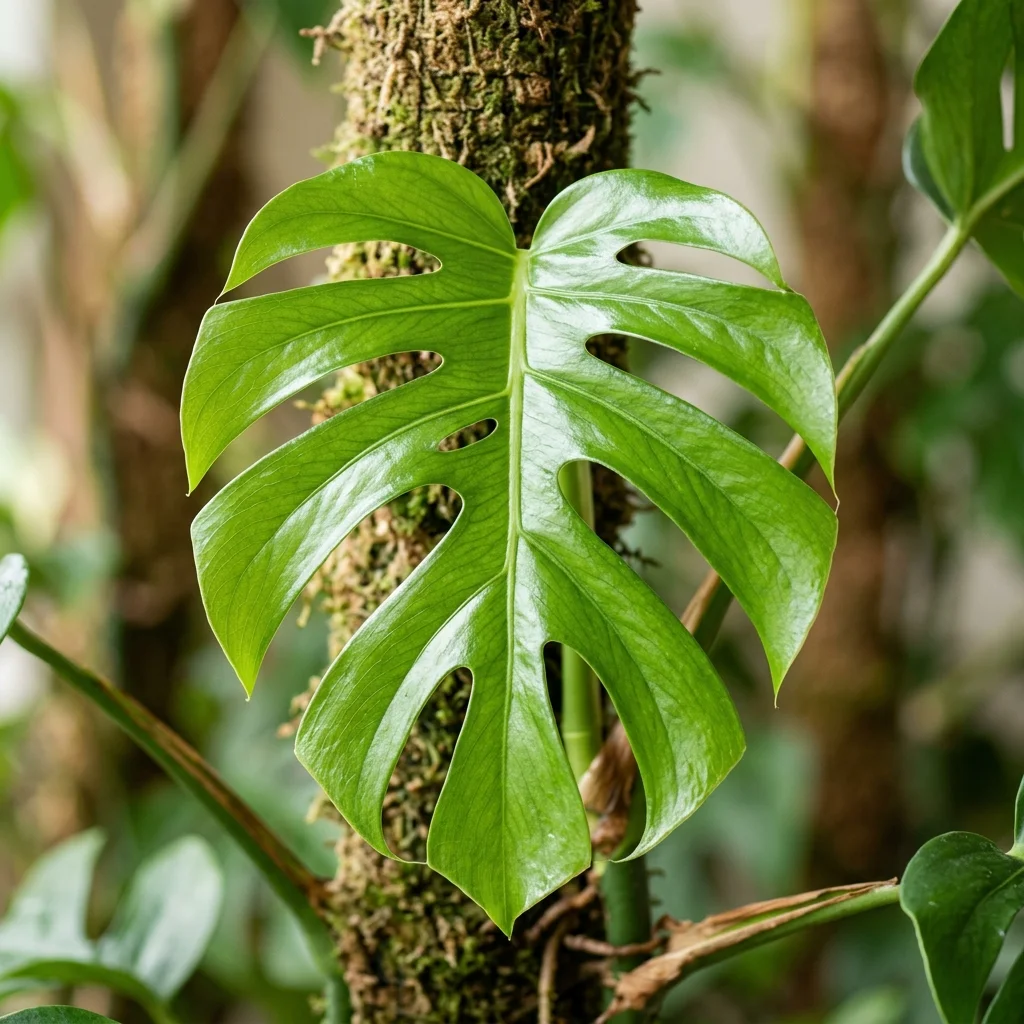
How to Identify Mini Monstera
Mini Monstera (Rhaphidophora tetrasperma) is a remarkable ornamental species widely appreciated for its unique aesthetic and structural foliage. Recognizing its definitive visual traits is key to distinguishing it from other similar plants.
-
✔
Key Visual Features: Compact, split bright green leaves with deep fenestrations (cuts) that extend all the way to the margin, even on very young plants.
-
✔
Color Variations: Glossy lime green when young, maturing to a rich emerald green; climbing stems produce thick aerial roots; non-variegated forms are standard.
-
✔
Common Confusions: Confused with Monstera deliciosa (which grows ten times larger and has perforations/holes in the leaf blades, whereas Mini Monstera only has margin slits).
Complete Care & Cultivation Guide
Follow our detailed scientific care guide to keep your Mini Monstera thriving and gorgeous all year round.
Common Diseases & Treatment
Root Rot
Symptoms: Leaves turn yellow, stems droop, lower leaves become mushy, and roots turn black, soft, and decay.
Fungal Leaf Spot
Symptoms: Brown necrotic spots with yellow borders appear on the split leaves, eventually causing the leaf to shrivel.
Frequently Asked Questions
Why are my Mini Monstera leaves growing small and without splits?
A lack of light or lack of climbing support causes the plant to grow small, solid leaves. Move it to a brighter spot and provide a moss pole.
How fast does Rhaphidophora tetrasperma grow?
It is an incredibly fast grower, easily climbing 3 to 6 feet in a single warm summer season when provided optimal bright indirect light.
Why are my Mini Monstera leaves turning yellow?
Yellowing leaves are most commonly caused by overwatering, poor drainage, or a cold draft. Let the soil dry out before watering again.
Is Mini Monstera safe for cats?
No. Rhaphidophora tetrasperma contains calcium oxalate crystals which are toxic to cats and dogs, causing mouth irritation and vomiting.