Inch Plant Care & Identification Guide
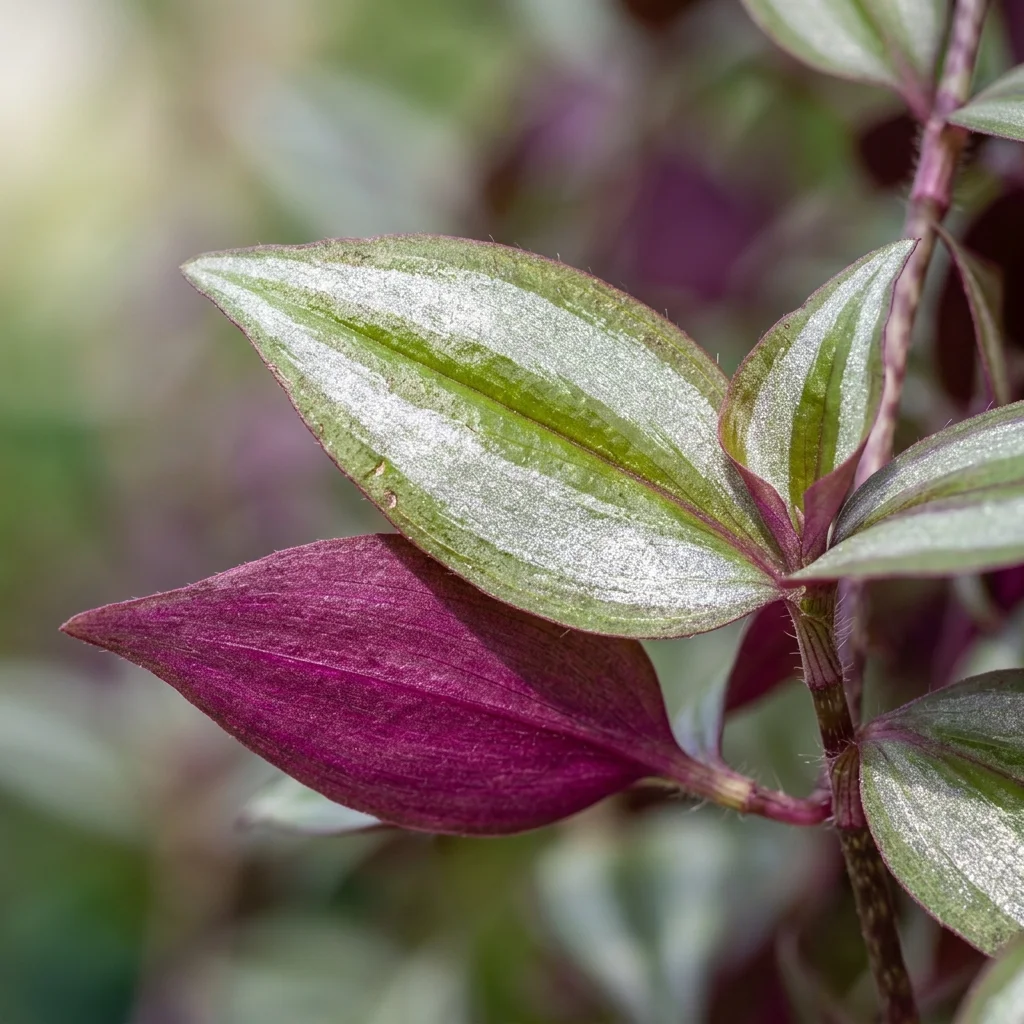
Tradescantia zebrina, commonly known as the Inch Plant, Wandering Dude, or Zebra Spiderwort, is a phenomenally colorful, fast-growing trailing plant native to Mexico. Celebrated for its eye-catching, lance-shaped leaves displaying brilliant silver and olive-green stripes on the upper surface and a rich, solid royal-purple underneath, it adds a spectacular neon accent to any indoor space.





How to Identify Inch Plant
Inch Plant (Tradescantia zebrina) is a remarkable ornamental species widely appreciated for its unique aesthetic and structural foliage. Recognizing its definitive visual traits is key to distinguishing it from other similar plants.
-
✔
Key Visual Features: Fast-growing trailing vine with fleshy, lance-shaped leaves marked with two broad, shimmering silver stripes flanking a green center.
-
✔
Color Variations: Vibrant olive-green and shimmering silver zebra-stripes on top; solid, brilliant deep purple-magenta underneath; purple-jointed stems.
-
✔
Common Confusions: Confused with Tradescantia pallida (Purple Heart, which has longer, solid-purple fuzzy leaves and grow upright rather than trailing).
Complete Care & Cultivation Guide
Follow our detailed scientific care guide to keep your Inch Plant thriving and gorgeous all year round.
Common Diseases & Treatment
Stem Rot
Symptoms: Stems turn brown, watery, and mushy near the soil line, causing the entire trailing vine to break off and die.
Fading Colors
Symptoms: The brilliant purple and shimmering silver leaf stripes turn a dull, dusty green, and the stem nodes grow very far apart.
Frequently Asked Questions
Why is my Inch Plant losing its leaves at the base?
This is natural aging for Tradescantia. As stems grow long, the base naturally sheds leaves. Prune the tips and stick them back in the pot to fill out.
How fast does Tradescantia zebrina grow?
Extremely fast! Under optimal bright light and warm temperatures, it can grow several inches in a single week.
Can I grow this plant in direct sunlight?
It can tolerate a small amount of direct morning sun, but hot, direct afternoon sunlight will scorch the leaves and fade the colors.
Is the Inch Plant safe for cats and dogs?
No. The sap of Tradescantia zebrina is mildly toxic to pets, causing skin irritation, redness, and gastrointestinal upset if ingested.