Alpine Bluegrass Care & Identification Guide
Alpine Bluegrass is an incredibly fascinating, cold-adapted wild perennial grass, legendary for its unique viviparous lifestyle where miniature green vegetative plantlets sprout directly on the mother flower head. It is a highly vital pioneer of cold alpine scree slopes.





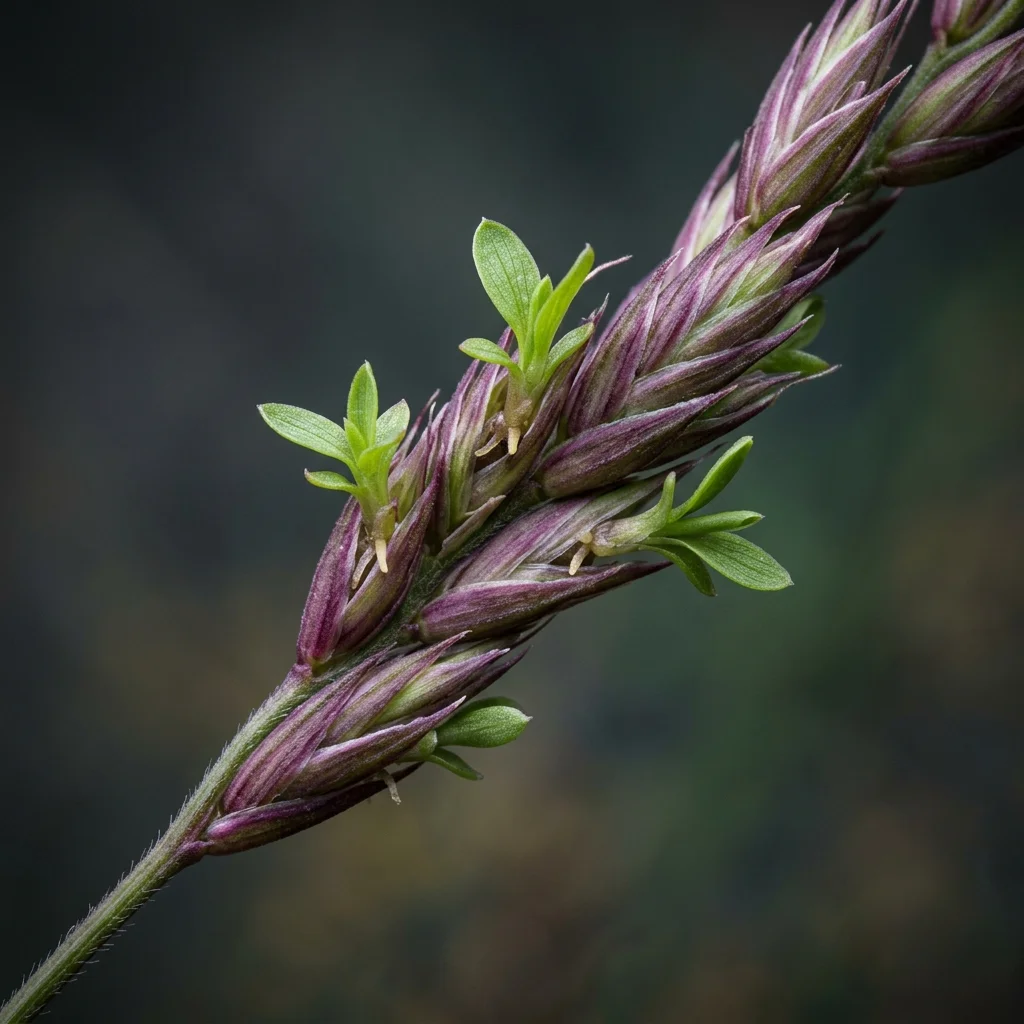
How to Identify Alpine Bluegrass
Alpine Bluegrass (Poa alpina) is a remarkable botanical species widely appreciated for its unique aesthetic and structural appeal. Recognizing its definitive visual traits is key to distinguishing it from other similar plants.
-
✔
Key Visual Features: Key Visual Features: Dense arching clumps of narrow linear foliage, topped in summer by feathery, bottle-brush, or metallic flower panicles.
-
✔
Color Variations: Color Variations: Blue-grey blades, warm golden stripes, pink-flushed panicles, or waxy emerald foliage.
-
✔
Common Confusions: Common Confusions: Resembles wild lawn weeds when small, but recognized by their tight, neat clumping growth and showy tall flower spikes.
Complete Care & Cultivation Guide
Follow our detailed scientific care guide to keep your Alpine Bluegrass thriving and gorgeous all year round.
Common Diseases & Treatment
Root Rot (Overwatering)
Symptoms: Leaves turn soft and yellow at the base, shrivel and drop prematurely, accompanied by a mushy root system and foul soil odor.
Foliage Rust
Symptoms: Small powdery orange or brown pustules appear on the linear leaves under humid, poorly ventilated indoor conditions.
Frequently Asked Questions
Q: What is viviparity in Alpine Bluegrass?
A: Viviparity in Poa alpina is a specialized reproductive strategy where the flower spikelets transform into miniature clonal plantlets with pre-formed roots and leaves. These drop off to immediately grow new plants, bypassing seeds.
Q: Can Alpine Bluegrass tolerate hot summer weather?
A: No. Alpine Bluegrass is strictly adapted to cool alpine and subarctic zones. It will go dormant or struggle in hot, humid lowland summer heat.
Q: Is Poa alpina suitable for a rock garden lawn?
A: Yes! Its compact, low-growing bluish-green tufts are perfect for cool-climate gravel gardens, stone paths, and alpine rock crevices.
Q: Is Alpine Bluegrass toxic to domestic cats and dogs?
A: No, Poa alpina is completely non-toxic and extremely safe for all domestic pets and grazing animals.